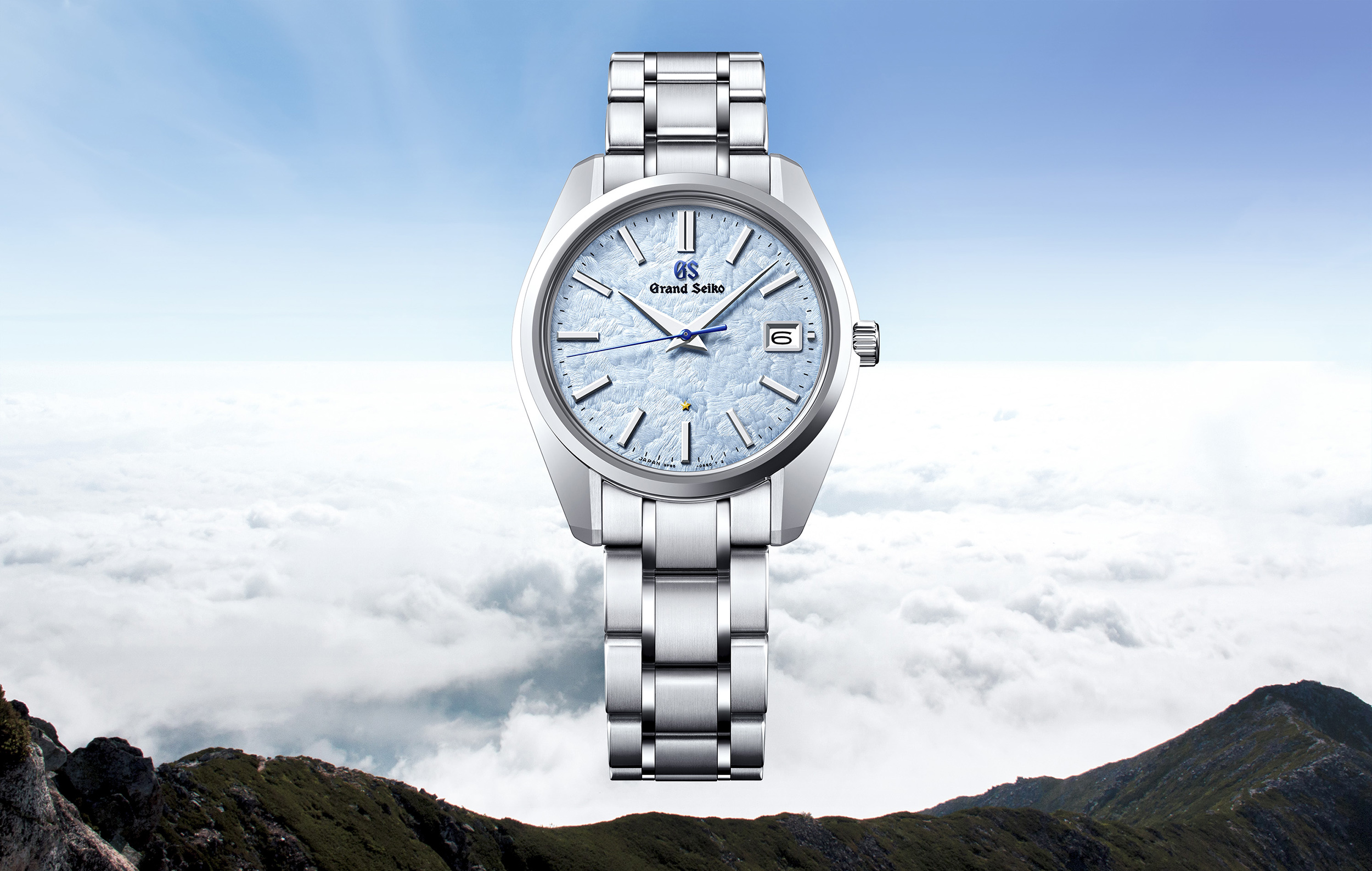

In the ever-evolving world of luxury watches, trends often draw inspiration from the past, breathing new life into designs that once defined an era. Today, one such revival is capturing the attention of collectors, designers, and enthusiasts alike: the return of colorful hard-stone dials, a hallmark of 1970s watchmaking, now making a striking comeback in contemporary timepieces.
The 1970s were a transformative decade in design, marked by bold experimentation, vibrant colors, and a willingness to push aesthetic boundaries. From fashion to architecture to consumer products, the era celebrated individuality and self-expression. Watches were no exception. The use of hard stones—semi-precious materials like lapis lazuli, tiger’s eye, malachite, and onyx—became an emblem of luxury and artistry during this time. These materials brought a distinctive splash of color and texture to watch dials, offering an elegant alternative to traditional metal or enamel faces.
Jump to today, and the charm of these vivid dials is once again inspiring both designers and watch lovers. Top watch manufacturers are delving into their history to bring back hard-stone dials, merging classic influences with contemporary artistry and cutting-edge technology. This revival signifies not only a longing for the daring essence of the ’70s but also a wider cultural movement embracing uniqueness and expressive fashion.
A renewed fascination with dials crafted from hard stone can be attributed to an increased value placed on uniqueness within the luxury sector. Today, as numerous fields are led by mass-produced items, buyers are more frequently drawn to items that seem personal, unique, and uncommon. Dials made from hard stone resonate with this preference as each piece, with its distinct pattern, veining, and colors, guarantees that no two timepieces will ever be exactly alike. This uniqueness, combined with the intrinsic aesthetic of the materials, provides users with something profoundly personal.
In addition, the revival of these materials coincides with the wider fashion world’s embrace of retro aesthetics. From ’70s-inspired silhouettes on the runway to vintage color palettes in interior design, the decade’s unmistakable flair has influenced many aspects of contemporary culture. Watches featuring hard-stone dials not only evoke the glamour of the past but also complement today’s fashion trends, making them highly sought after by style-conscious consumers.
The skill required to craft dials from hard stones is a factor in their resurgence in popularity. Unlike conventional dials crafted from metals or ceramics, these hard stones demand precise artisanship. The procedure includes delicately cutting the stone to the ideal thinness, buffing it to enhance its inherent shine, and ensuring long-lasting quality without sacrificing visual attractiveness. This blend of technical expertise and creative foresight appeals to collectors who appreciate the history and craftsmanship inherent in high-end watches.
Several prominent watchmakers have embraced the return of colorful stone dials. Brands known for their dedication to heritage and innovation have reintroduced models that feature vibrant materials such as lapis lazuli, turquoise, green jade, and mother-of-pearl. These timepieces often showcase minimalist designs that allow the beauty of the stone to take center stage, highlighting natural patterns, swirls, and color variations that catch the eye.
For certain companies, this resurgence is more than just an homage to the past; it’s a chance to reinterpret traditional designs for today’s audience. Modern versions frequently blend durable stone dials with state-of-the-art mechanisms, sleek outlines, and eco-friendly approaches, mirroring the shifting values of today’s buyers. The outcome is a blend where classic beauty comes together with advanced technology.
Collectors, too, have played a significant role in driving the resurgence of these designs. Vintage timepieces from the 1970s featuring hard-stone dials have seen a marked increase in demand at auctions and private sales. The scarcity of these original pieces, along with their unique character, has contributed to rising prices and renewed interest in the aesthetic. This enthusiasm has, in turn, encouraged watchmakers to revisit and reinterpret the trend for contemporary audiences.
Furthermore, the attraction of hard-stone watch faces goes beyond aesthetic appeal. These natural elements are frequently linked with cultural and symbolic meanings. For instance, lapis lazuli has been admired for its rich, heavenly blue and has been utilized in artistic works and jewelry for millennia. Malachite, with its vivid green stripes, is believed to offer protection and transformation. These symbolic connections add an extra dimension to these timepieces, turning them into more than just fashion items, but also personal charms for those who wear them.
The renewed fascination with these timepieces coincides with the expanding dialogue on sustainability and natural components within the luxury sector. As buyers become more eco-aware, there is a rising admiration for elements drawn from nature over artificial substitutes. Ethical procurement continues to be a vital factor, and numerous watchmakers are addressing this need by emphasizing responsible methods in choosing and handling stones.
As the wristwatch market keeps advancing, incorporating hard-stone dials provides a significant method to unite heritage with contemporary style. The detailed artisan skills needed to produce these dials highlight the human involvement central to high-end watch crafting—a trait that is becoming more appreciated in an era ruled by machinery and computerized innovations.
Another reason contributing to the resurgence of these lively watch faces is the shift in individual fashion choices within work and social environments. The old idea of a watch being merely a practical device has evolved into a perception of timepieces as pieces of expressive fashion. As clothing protocols ease up and originality in personal styling is embraced, vibrantly colored watches with stone dials provide a chance for personal expression that enhances both formal clothing and everyday apparel.
This inclination also highlights a wider aspiration for durability and timelessness in style selections. Even though fashion trends shift, the attraction of natural substances, excellent artistry, and mindful design remains constant. Hard-stone dials, featuring their deep hues and natural designs, present an enduring quality that attracts those who regard their watches not merely as fashion pieces, but as family heirlooms to cherish and hand down.
Furthermore, the rise of social media and the digital sharing of personal style have amplified interest in visually distinctive timepieces. Watch enthusiasts and influencers frequently highlight rare and unique models on platforms like Instagram, sparking curiosity and desire among wider audiences. The visually striking nature of hard-stone dials makes them particularly well-suited to this new era of digital storytelling, where every accessory becomes part of a larger narrative.
While the resurgence of hard-stone dials has primarily been seen in the luxury market, the appeal is beginning to influence more accessible segments of the watch industry as well. Mid-range and even entry-level watchmakers are exploring ways to incorporate colorful stones or stone-inspired designs into their collections, expanding the availability of this aesthetic to a broader audience. This democratization ensures that the spirit of ’70s-inspired design reaches beyond elite collectors to everyday wearers seeking beauty and uniqueness.
In considering the future, it is evident that the revived interest in vibrant stone dials is not just a passing fad. Instead, it is a component of a broader trend in watchmaking that highlights genuineness, tradition, and uniqueness. As preferences keep changing and people look for items that convey a narrative and express personal principles, watches using organic materials and daring design decisions are expected to stay popular.
For enthusiasts of timepieces, creators, and those who gather watches, the resurgence of dials made from hard stones presents an exhilarating chance to honor past craftsmanship while embracing modern advancements. These timepieces vividly illustrate that true luxury extends beyond mere cost or status, embodying skillful artistry, personality, and the enduring allure of the natural environment.
In a marketplace where trends can feel fleeting and products often lose relevance within seasons, the resurgence of hard-stone watch dials underscores the enduring power of thoughtful design. It reaffirms that sometimes, looking to the past can inspire the most compelling visions for the future—where beauty, individuality, and quality remain at the heart of what we choose to wear on our wrists.