
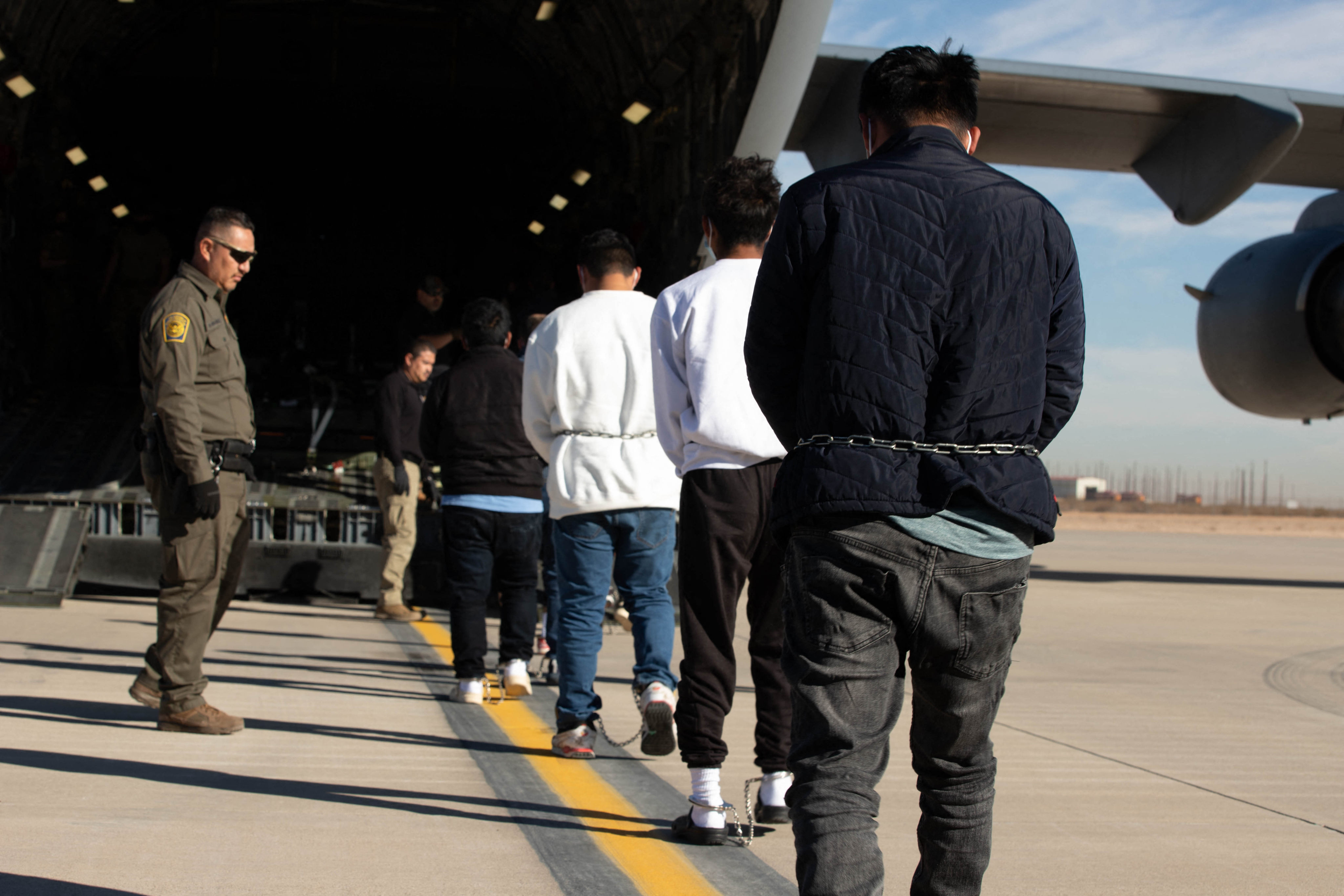

In a recent development that underscores shifting dynamics in international migration policy, the government of Rwanda has agreed to accept up to 250 individuals deported from the United States. This arrangement, reached through diplomatic negotiations between the two countries, reflects an ongoing effort by U.S. authorities to manage deportation processes for individuals whose return to their country of origin may be unsafe or impractical.
The arrangement is not without precedent in the wider landscape of international migration governance. Nations such as Rwanda have formerly participated in comparable collaborations with countries like the United Kingdom and Israel, providing temporary or permanent relocation opportunities for migrants, asylum applicants, or deportees. Although the ongoing agreement with the U.S. operates on a smaller scale, it represents an important milestone in Rwanda’s expanding involvement as an ally in humanitarian efforts and migration-related partnerships.
Based on information from authorities knowledgeable about the deal, the people included in this arrangement are not natives of Rwanda. Instead, they are migrants who come from other nations and cannot be sent back to their home countries for a variety of reasons. This group might encompass those whose countries of origin are unwilling to accept deportees, or whose safety would be compromised if they were sent back due to political turmoil, conflict, or persecution.
Rwanda’s willingness to accept these individuals stems from its broader policy of positioning itself as a responsible actor in global migration discussions. Over the past decade, Rwanda has hosted thousands of refugees and migrants from conflict zones such as Sudan, the Democratic Republic of Congo, and Libya. Its government has emphasized its commitment to providing safety and support for displaced populations, while also maintaining national stability and security.
In return for Rwanda’s cooperation, the U.S. may provide financial support to help with resettlement logistics and integration services. This could include funding for housing, healthcare, language training, and job placement — essential resources for individuals seeking to rebuild their lives in a new country. However, the exact terms of support and implementation are yet to be made public.
The United States Department of Homeland Security, responsible for managing immigration control and deportations, has not provided detailed remarks on the specific characteristics of the migrants being relocated under this agreement. Nevertheless, authorities emphasize that such agreements are uncommon and contemplated only when normal deportation options have been fully utilized. In these instances, relocating migrants to a third country can provide a feasible resolution that addresses both humanitarian issues and immigration regulations.
Those who oppose policies related to the relocation of third-country nationals claim that such agreements might impose unequal strain on host nations and could result in unforeseen issues if migrants face challenges in assimilating or if public opinion changes. Conversely, advocates emphasize the possible advantages, such as providing migrants with a safe refuge and alleviating the strain on countries that struggle to handle mass returns because of political or logistical limitations.
For Rwanda, the pact signifies both a humanitarian pledge and a strategic diplomatic maneuver. By allying with influential countries on critical global matters, Rwanda strengthens its reputation as a dependable and stable collaborator on the world platform. This might boost its influence in forthcoming discussions concerning trade, security, and development aid.
However, uncertainties persist regarding the assimilation of migrants transferred through this agreement into Rwandan society. Although Rwanda has established systems to assist refugees, such as providing access to education and healthcare, true integration frequently relies on acceptance by the local community, employment prospects, and strategic long-term policy development. It will be essential for the government to confirm that the infrastructure and community support are ready to support the newcomers.
Human rights organizations have shown careful optimism, acknowledging Rwanda’s history of providing safety to uprooted people. Nonetheless, they emphasize the need for clarity in the implementation of the agreement, urging both governments to focus on the welfare and rights of those impacted. Advocacy groups assert that measures such as monitoring systems, legal assistance, and grievance procedures are essential to maintain fairness and responsibility.
The setting of the accord also highlights broader changes in American immigration policy, especially concerning deportation processes. Given the ongoing challenges posed by the rising number of people reaching the U.S.-Mexico border, the American government has aimed to broaden diplomatic strategies for handling migration humanely and legally. Collaborating with nations such as Rwanda is viewed as a component of a varied approach that encompasses enhancing border control, speeding up asylum case evaluations, and cooperating with global partners.
Additionally, the arrangement may contribute to emerging global conversations about shared responsibility in migration. As displacement due to climate change, conflict, and economic instability continues to rise, more countries may be called upon to play a role in hosting migrants and refugees — even those not from their immediate region.
Although this particular agreement deals with relatively few individuals, its importance is in what it reveals about the future of international migration collaboration. It highlights the intricacies of deportation policies, the need for humanitarian protections, and the changing role of middle-income countries in tackling global issues previously led by major powers.
As the initiative progresses, Rwanda and the United States are expected to encounter examination from non-governmental organizations, global watchdogs, and the migrants involved. The achievement of the scheme will hinge not only on practical aspects but also on how well it upholds human dignity, legal standards, and the common objectives of safety and opportunity.
For now, Rwanda’s decision to receive up to 250 deported individuals signals a continuation of its engagement in humanitarian resettlement — a role it appears willing to expand as global migration patterns grow more complex and interdependent.
