

Discussions currently taking place between Israel and South Sudan have highlighted the chance of implementing a significant plan to relocate a large number of Palestinians from Gaza. This initiative, still in the initial phases, is being considered as a possible way to alleviate the severe humanitarian crisis occurring in the area. The preliminary conversations reflect the intricate geopolitical issues and the pressing requirement for enduring solutions to tackle the massive displacement of civilians. This extremely contentious proposal, which might be an attempt at diplomatic engagement to establish new alliances, encounters numerous political and logistical challenges.
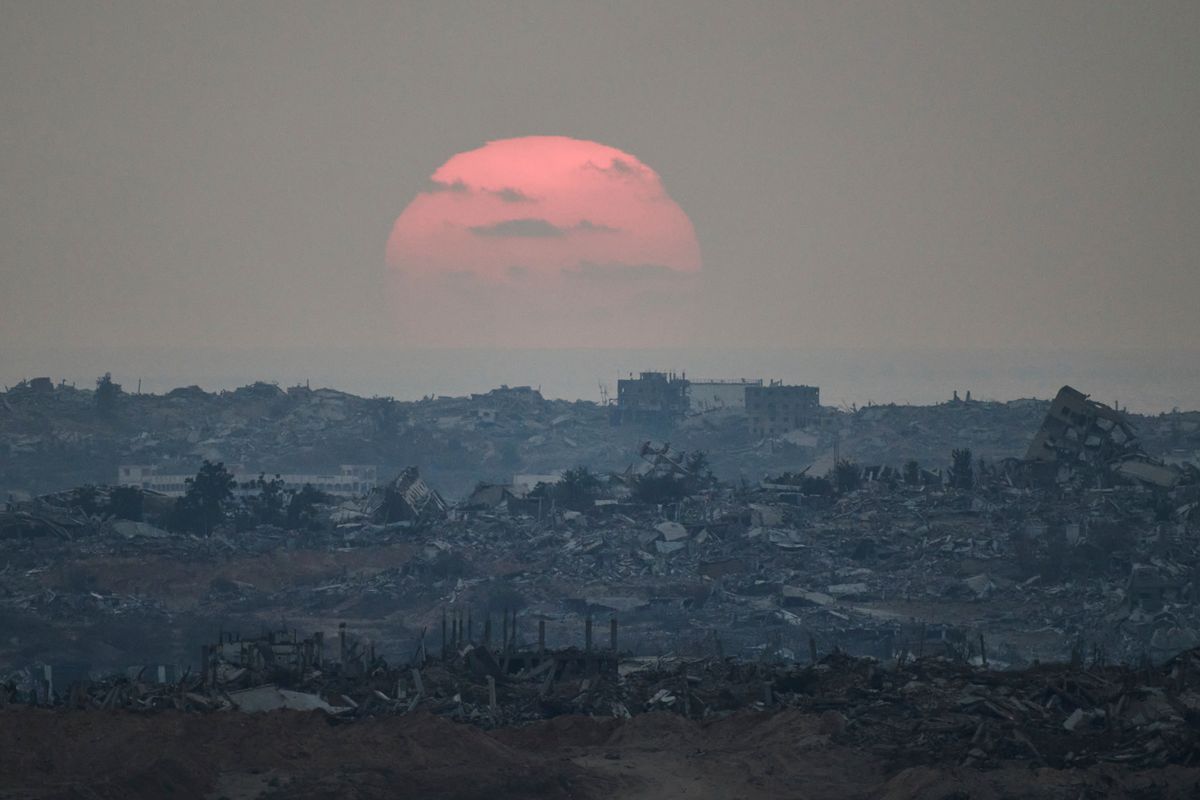
The context for these discussions is the catastrophic humanitarian situation in Gaza, where a vast majority of the population has been displaced by ongoing conflict. The widespread destruction of homes and infrastructure has left millions without a place to return to, creating an unprecedented need for a long-term plan. This dire reality has led some, including elements within the Israeli government, to explore options beyond the immediate post-conflict recovery, viewing resettlement as a possible permanent solution to the humanitarian and security challenges.
South Sudan’s role in these talks is particularly notable. As one of the world’s youngest nations, the country is grappling with its own internal challenges, including a history of civil conflict and humanitarian crises. Its vast, sparsely populated landmass could theoretically accommodate a large number of people. Furthermore, as a nation seeking to expand its diplomatic ties and secure international investment, South Sudan may see this as an opportunity to forge a new partnership with Israel, a relationship that has been developing in recent years. This strategic interest provides a potential diplomatic opening for the talks.
From the Israeli perspective, the proposal is being presented as a means to both alleviate the humanitarian crisis and ensure long-term security. The argument is that a mass resettlement would prevent the return of a population that could be susceptible to radicalization, thereby ensuring a more stable and secure future for Israel. While this position has been floated by certain political factions, it has also drawn significant criticism from many within the country, as well as from the international community.
The idea of resettlement, however, is met with vehement opposition from the Palestinian people. The concept is widely seen as a form of forced displacement, a violation of international law, and a denial of the fundamental right of return. For many Palestinians, their connection to their land is central to their identity, and any plan that seeks to sever that tie is a non-starter. This perspective is rooted in decades of historical displacement and the deeply held belief that a just and lasting peace must include the right for Palestinians to return to their homes.
The international community’s reaction to such a plan would likely be one of condemnation. Numerous international laws and conventions prohibit the forced or coerced movement of civilian populations. The United Nations and other global bodies would almost certainly oppose a plan that does not prioritize the voluntary return of refugees to their homes. The proposal would be seen as setting a dangerous precedent, undermining the very principles of international humanitarian law that protect displaced populations.
Beyond the political and legal challenges, the logistical complexities of resettling a population of this size are staggering. It would require a massive international effort to fund and build the necessary infrastructure—housing, hospitals, schools, and transportation networks—for a new community of hundreds of thousands, or even millions, of people. The financial cost would be astronomical, requiring a global coalition of donors and a level of cooperation that seems unlikely given the current geopolitical climate.
The feasibility of this plan is therefore highly questionable. While the discussions themselves may be a political tool or a way to float a radical idea, the practical implementation seems nearly impossible. The immense opposition from the Palestinian people, the likely condemnation from the international community, and the sheer logistical and financial hurdles make this an extremely low-probability scenario. It is more likely to remain a topic of diplomatic exploration than a concrete plan for action.
The discussions involving Israel and South Sudan emphasize the critical necessity for a sustainable, enduring resolution for the residents of Gaza. Although this relocation plan is surrounded by debate and confronts immense challenges, it reflects the urgency to resolve a persistent issue. The destiny of Gaza’s inhabitants is still unclear, and as talks proceed, the primary concern for the global community is expected to stay on delivering urgent humanitarian support and developing a political resolution that honors the dignity and rights of everyone impacted by the conflict.
