
The Origins of a Revolutionary Designer
Rei Kawakubo, the mind behind Comme des Garçons, exemplifies a beacon of avant-garde design in today’s fashion scene. Since launching her brand in Tokyo in 1969, Kawakubo has persistently broken the mold, blending creative insight with unconventional tailoring. Her creations surpass mere fashion cycles, engaging in an ongoing exploration of form, identity, and significance. Kawakubo’s designs are not just clothes; they are wearable dialogues that challenge perceptions of beauty, gender norms, and the purpose of clothing.
Preliminary Design and Thought-Provoking Ideas
Kawakubo represents the pure essence of conceptual design: a discipline where ideas and philosophy become primary, and physical manifestation takes a secondary role. In her hands, clothing transforms into an intellectual exercise, challenging what fashion can represent within culture. This approach is exemplified by her Autumn/Winter 1997 collection, Lumps and Bumps, in which bulbous padding distorted the silhouette, rendering the models’ bodies near unrecognizable. These forms directly challenged standards of beauty, bringing to the forefront issues of bodily autonomy, deformity, and the societal gaze.
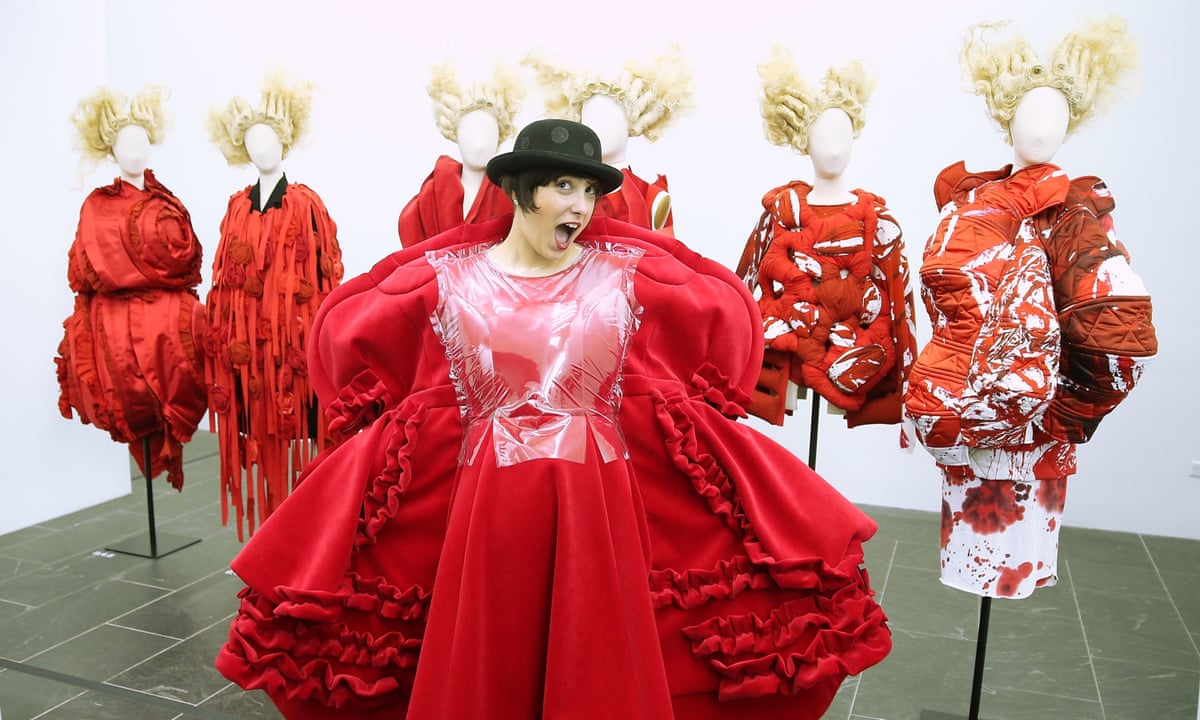
Another salient example arises from her Spring/Summer 2017 collection, described as “art of the in-between.” Pieces showcased oversized, sculptural constructions that rarely resembled conventional clothing; instead, they became moving installations on the runway. Critics and theorists have often compared her collections to avant-garde movements in art, such as Dadaism—emphasizing disruption, absurdity, and subversion of existing systems.
Breakdown and Gender Fluidity
Kawakubo’s approach frequently uses deconstruction, not merely as a technique to reveal how clothing is made, but as a symbolic gesture. Seams are set on the exterior, linings are omitted, and edges are unfinished—each choice highlighting the constructed nature of norms in both fashion and society. By challenging conventional garment creation, Kawakubo reshapes broader dialogues about gender and identity.
Her collections often obscure the lines between masculine and feminine styles. The early Comme des Garçons pieces, lacking definite gender indicators, represented a significant departure from conventional binary norms. Items such as structured jackets with pronounced shoulders and undefined cuts highlighted the performative nature of gender roles in fashion, resonating with Judith Butler’s notions of gender performativity. Kawakubo has expressed her desire to create “a sensation of something unprecedented,” capturing not only innovative design but also the chance to rethink identity.
Cultural Commentary Through Material and Technique
Kawakubo’s creative approach is deeply embedded with cultural commentary, frequently drawing upon Japanese principles of imperfection and the fleeting—especially ideas like wabi-sabi. By incorporating worn fabrics, lack of symmetry, and rough edges, her designs resonate with philosophies that embrace the temporary nature and the allure of flaws. Her partnership with artist Cindy Sherman for the Comme des Garçons Spring 2014 advertising campaign further supported this notion: the garments and visuals illustrated not a perfect rendition of the person, but rather the diverse personas they might assume.
The brand frequently employs non-traditional materials like industrial felt, latex, and synthetic mesh, which dissolve the lines separating fashion from various creative sectors, incorporating aspects from sculpture, architecture, and installation art. This innovative use of materials solidifies her status at the crossroads of fashion and fine art, as demonstrated by the exhibition at the Metropolitan Museum of Art titled “Rei Kawakubo/Comme des Garçons: Art of the In-Between,” an unusual focus for the institution on a living designer.
Disrupting the Logic of Commercial Fashion
While fashion often aligns itself with commerce and repetitive cycles of trends, Kawakubo’s approach subverts these systems. Comme des Garçons’ most renowned runway presentations are frequently seen as unwearable—or as critics put it, “anti-fashion”—yet the brand enjoys cult popularity and influences commercial collections globally. This paradox demonstrates Kawakubo’s ability to ignite conversation at the core of the fashion industry while remaining financially viable.
She also departs from the idea of a designer as a star. Avoiding media interactions and publicity tactics, Kawakubo prioritizes the work itself over personal recognition, ensuring attention is directed towards creative endeavors rather than personal acclaim—a method that directly opposes current industry norms.
Legacy and Ongoing Influence
For younger designers and interdisciplinary creatives, Rei Kawakubo serves as an enduring symbol of resistance and innovation. Brands like Vetements, Balenciaga under Demna Gvasalia, and the work of Martin Margiela echo her radical methodologies—from reimagining construction to rejecting traditional beauty standards. Her conceptual rigor also contributes to broader cultural discussions involving post-modernism and anti-capitalist sentiment within creative industries.
Rei Kawakubo’s work lies not in proposing answers, but in raising questions. Each collection is less a declaration and more an open dialogue with art, gender, body, and culture. Her designs demand that audiences become active participants in interpretation, proposing that meaning is not inherent but constructed, deconstructed, and ever-evolving.
As the landscape of design and culture continues to transform, Kawakubo’s conceptualism offers both designers and observers a guide for rethinking boundaries—not only in dress but in thought itself.