
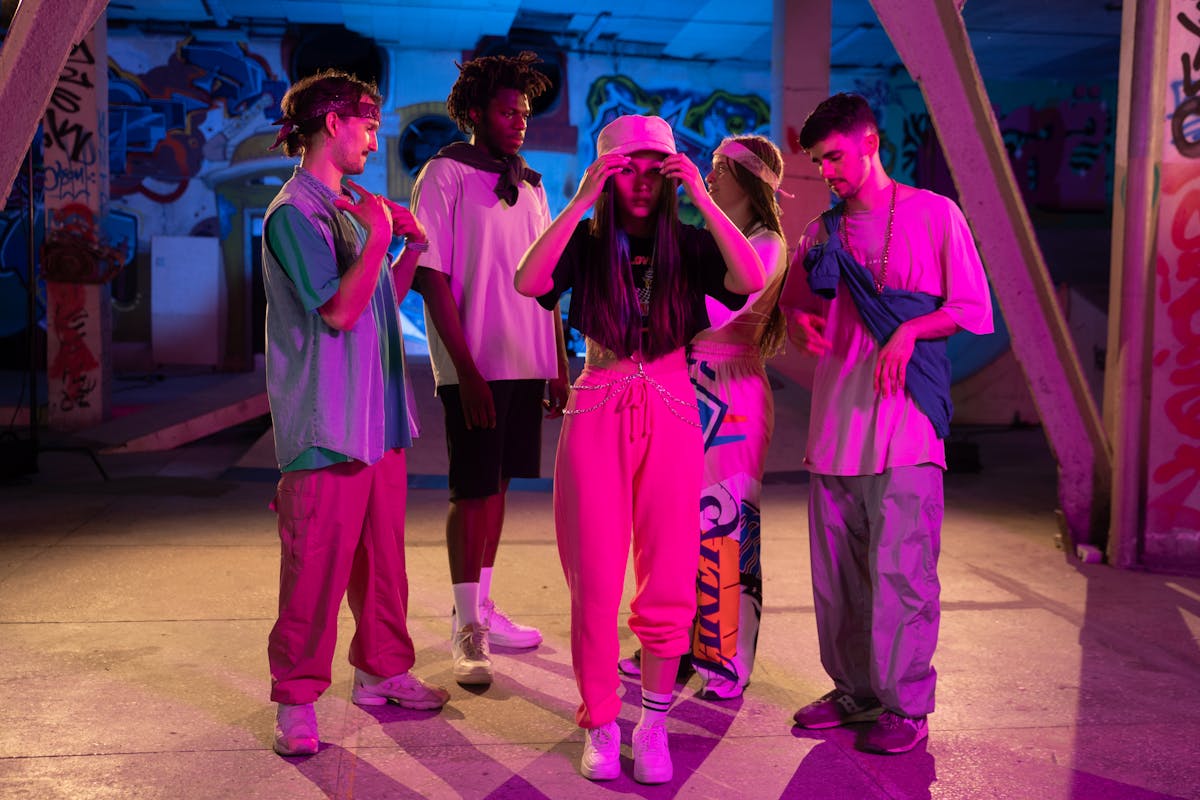

The interplay between music and fashion is a dynamic confluence that perpetually influences global cultures and commercial markets. This relationship is so intertwined that it is virtually impossible to separate the auditory experience of music from the visual spectacle of fashion.
A Historical Blend: The Origins of Influence
Historically, music and fashion have intersected in defining ways that shaped entire eras. During the 1950s, rock ‘n’ roll transformed popular culture and influenced the signature greaser aesthetic, known for its leather jackets and denim. The 1960s counterculture, driven by the Beatles and the Rolling Stones, embraced bold, eclectic looks that embodied a growing rejection of conventional norms. In the 1970s, the rise of punk rock sparked yet another dramatic evolution, as bands like the Sex Pistols showcased raw, DIY outfits with ripped garments and safety pins, a style that major designers soon began to reinterpret.
Economic Impact: Beyond Aesthetic Fusion
The music industry and fashion brands regularly intersect in commercially strategic ways, resulting in high‑value collaborations that broaden their visibility and sway. Designers and major fashion houses often join forces with musicians to craft limited collections, exemplified by Adidas’ alliance with Kanye West for the Yeezy line. Such partnerships not only drive revenue but also strengthen brand character, firmly positioning musicians within fashion’s cultural narrative.
Modern Pop Icons: Purveyors of Style
Today, pop figures such as Beyoncé, Rihanna, and Harry Styles exert more influence than ever on contemporary fashion, with Beyoncé’s Ivy Park partnership with Adidas highlighting a dynamic blend of sportswear and high-end style, while Rihanna’s Fenty brand is widely acclaimed for championing inclusivity and diversity; these artists not only guide fashion tastes but also help shape emerging trends, steering the industry through their distinct stylistic expressions.
Subcultures and Niche Markets
Fashion and music also intersect within niche markets and subcultures, where their influence is profoundly localized. The K-pop phenomenon exemplifies this dynamic. Notable groups like BTS not only dominate the music scene but also set fashion trends globally, showcasing a fusion of streetwear with high fashion, triggering substantial economic growth in related industries.
Runway and Audio Experience
The role of music in fashion shows remains essential, and its influence often extends far beyond the visuals. Designer Alexander McQueen notably incorporated tracks by Björk and Radiohead, using their sound to shape runway moments that resonated emotionally as well as aesthetically. A fashion show’s soundtrack is carefully assembled to reinforce the collection’s thematic story, turning a simple presentation into a fully immersive multisensory experience.
Fashion as a Natural Expression of Musical Identity
Musicians use fashion as an extension of their personal identity and brand. For instance, Lady Gaga’s bold, avant-garde fashion choices reinforce her artistic persona as a boundary-pushing performer. Similarly, Billie Eilish’s oversized clothing has become part of her signature style, making statements about body image and self-expression.
The Role of Technology: Bridging Worlds
The intersection of music, fashion, and technology has opened new avenues for creativity and commerce. Virtual concerts and digital fashion shows have risen in prominence, especially during global events such as the COVID-19 pandemic. Digital platforms enable artists and designers to reach unprecedented audiences, as seen with Travis Scott’s virtual concert in Fortnite, which seamlessly paired music with visually spectacular digital fashion.
Cultural Influence
Exploring how music and fashion intersect reveals a rich mosaic of cultural development and economic interdependence, showing how both spheres continually express identity and shape social expectations while fueling fresh waves of creativity and innovation, and as new trends emerge, their enduring alliance is expected to remain a powerful driver of cultural transformation worldwide.
