
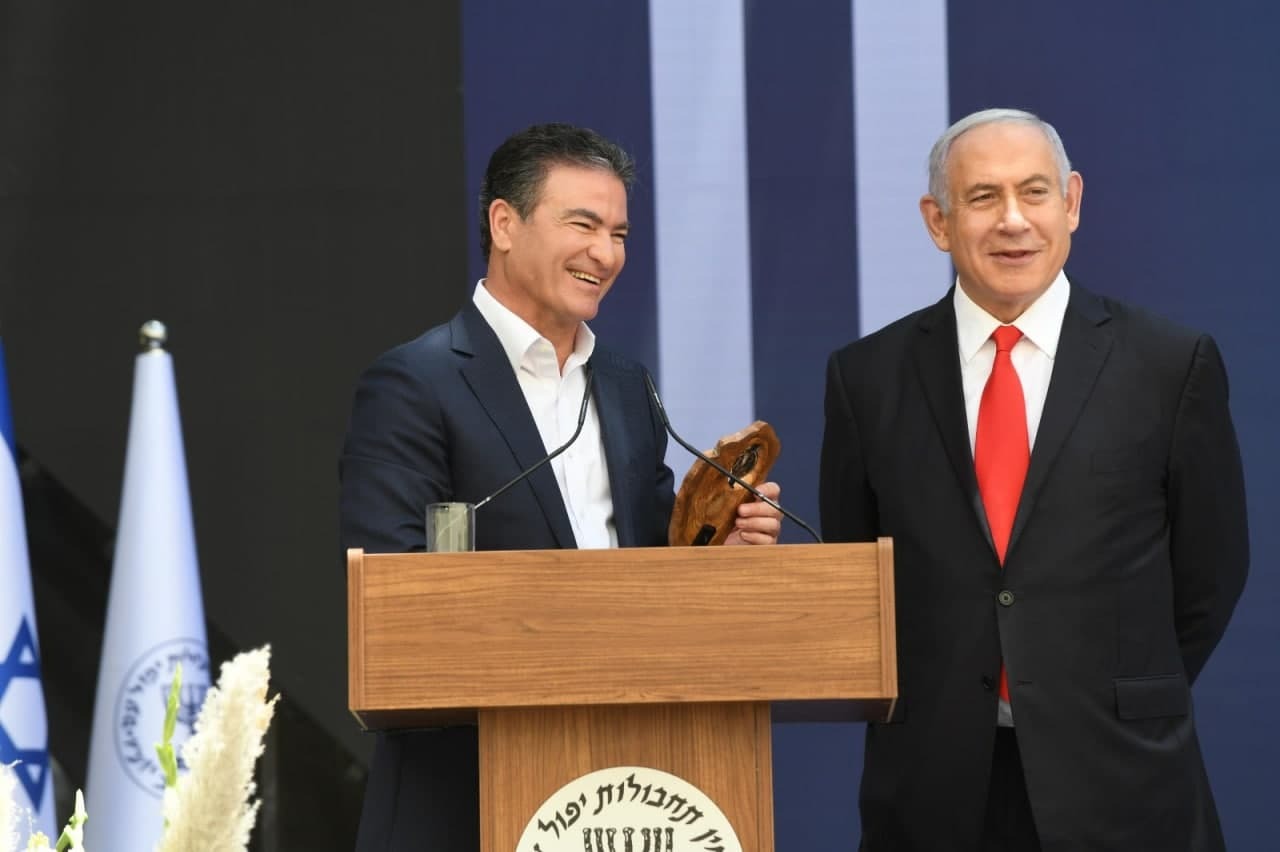

A high-level leadership transition within Israel’s intelligence community is unfolding amid ongoing tensions with Iran. Early expectations about the conflict’s outcome have not materialized, raising questions about strategy, decision-making, and the future direction of regional security policies.
A significant transition is underway within Israel’s intelligence apparatus at a time when the country remains deeply engaged in a prolonged and complex confrontation with Iran. At the center of this shift is the upcoming appointment of Roman Gofman as the new head of Mossad, Israel’s foreign intelligence agency. His arrival comes after weeks of continued hostilities that have not delivered the swift political transformation some officials had anticipated. The contrast between initial expectations and current realities has prompted renewed scrutiny of the assumptions that shaped the conflict’s early stages.
Before the escalation, internal evaluations within Israeli leadership circles indicated that a direct clash with Iran might undermine its governing framework, and sources familiar with strategic deliberations noted that Gofman—now acting as a senior military adviser to Prime Minister Benjamin Netanyahu—was among those who considered such an outcome likely to occur swiftly. This perspective was shared by others, mirroring a broader belief within parts of the intelligence community that the Iranian system could reveal greater vulnerability under sustained pressure.
Although more than a month has passed since the conflict began, those expectations have yet to materialize, as extensive military actions and precision strikes have left Iran’s leadership largely unshaken and its political framework notably durable, highlighting how regime stability can defy prediction, especially in systems defined by entrenched institutions and robust internal security structures.
Expectations and the real outcomes of strategic planning
The gap between anticipated outcomes and actual developments has become a focal point of analysis among defense experts and policymakers. Early strategic thinking appears to have been influenced by the belief that external pressure, combined with internal dissent, could trigger widespread unrest within Iran. Some planners envisioned a sequence of events in which targeted actions would weaken the leadership, embolden opposition groups, and ultimately lead to systemic change.
These expectations were reinforced by plans highlighting intelligence-led efforts designed to undermine prominent figures and institutions, operating on the belief that such actions would trigger a broader chain reaction, spark public protests, and gradually weaken the regime’s internal authority, yet despite the strategic intent behind this method, its implementation has failed to deliver the anticipated outcomes.
Military officials, including members of the Israel Defense Forces, were said to have taken a more guarded stance, noting how unpredictable internal political responses could be. They leaned toward narrower aims, focusing on eroding strategic capabilities rather than seeking swift regime change. This contrast in perspectives underscores how challenging it is to synchronize intelligence insights with operational strategy.
The current situation indicates that Iran’s governing system has displayed greater resilience than previously assumed. Despite prolonged pressures, including major strains on its infrastructure and leadership networks, the widespread internal turmoil some expected has not emerged. Instead, the nation’s leadership has adjusted to the challenges, strengthening its stance and preserving authority.
Shift in leadership during the ongoing conflict
As these developments progress, the appointment of Roman Gofman stands out as a significant shift within Israel’s intelligence leadership. Preparing to step into his new multi-year post, Gofman arrives with a career shaped largely by military service rather than conventional intelligence roles. His professional path spans decades in armored divisions and high-level command positions, complemented by recent work advising the prime minister on a wide range of security issues.
His selection represents a departure from the more conventional path to leading Mossad, where leaders often rise through the agency’s internal ranks. While not unprecedented, choosing a figure from outside the intelligence community has sparked debate among analysts and former officials. Some have pointed to the specialized expertise required for intelligence operations, including clandestine activities and international coordination, as areas that typically demand extensive experience.
Supporters of the appointment, however, highlight Gofman’s operational background and his close involvement in recent strategic decisions. His role in advising on conflicts across the region has given him a broad perspective on security challenges, which proponents argue could be valuable in shaping the agency’s future direction.
The transition also comes at a time when much of Israel’s senior security leadership has undergone significant change. In the aftermath of the October 2023 attacks, widely regarded as a major intelligence failure, several key figures have stepped down or been replaced. This broader reshaping of leadership structures reflects an effort to reassess priorities and adapt to evolving threats.
Discussion on credentials and broader political factors
Gofman’s selection has stirred debate, as some detractors question whether his experience truly equips him for the demands of steering a global intelligence agency. Several observers contend that the competencies needed for this kind of leadership—from overseeing covert missions to interpreting intelligence—are usually cultivated over extensive periods within highly specialized circles.
There are also concerns about the broader context in which the appointment was made. Observers have suggested that political considerations may have played a role, pointing to Gofman’s close working relationship with the prime minister. This perspective has fueled debate over the balance between professional qualifications and personal trust in high-level appointments.
Additional scrutiny has emerged due to earlier episodes linked to Gofman’s military background, where a dispute over managing sensitive material and relying on informal communication channels has attracted renewed focus, especially regarding concerns about judgment and oversight; although the specifics of the situation continue to be debated, it has increasingly shaped the wider discussion about his fitness for the position.
Despite these concerns, the appointment process has moved forward, reflecting the leadership’s confidence in Gofman’s abilities. His tenure will likely be closely watched, both within Israel and internationally, as he takes on the challenge of guiding the agency during a period of heightened tension.
Implications for regional strategy and intelligence priorities
The leadership transition emerges at a pivotal moment for Israel’s regional security strategy, as its ongoing confrontation with Iran and evolving conditions in surrounding territories create a demanding environment requiring nuanced handling. In this setting, intelligence agencies are expected to continue playing a crucial part in guiding policy and supporting high-level decisions.
One of the central issues ahead concerns how insights drawn from the current conflict might shape upcoming strategies, as the gap between early assumptions and real-world results could lead to a reevaluation of how intelligence is understood and used in high-pressure situations, potentially encouraging stronger contingency planning and a more restrained outlook when predicting political shifts.
At the same time, the evolving nature of threats in the region underscores the need for adaptability. Technological advancements, changing alliances, and internal political shifts all contribute to an environment that is both dynamic and unpredictable. Intelligence organizations must continuously refine their methods to remain effective in such conditions.
For Israel, this shift in leadership presents both a significant hurdle and a promising opening, creating space to rethink existing approaches and tackle lingering weaknesses, while also demanding careful oversight to maintain stability and continuity. Choices made throughout this phase are poised to shape the nation’s security strategy well into the future.
In the broader context, the situation highlights the complexities of modern conflict, where outcomes are rarely determined by a single factor. Political, social, and strategic elements interact in ways that can defy expectations, making it essential for decision-makers to remain flexible and responsive. As the new leadership takes shape, the focus will be on navigating these challenges and shaping a path forward in an increasingly uncertain landscape.
