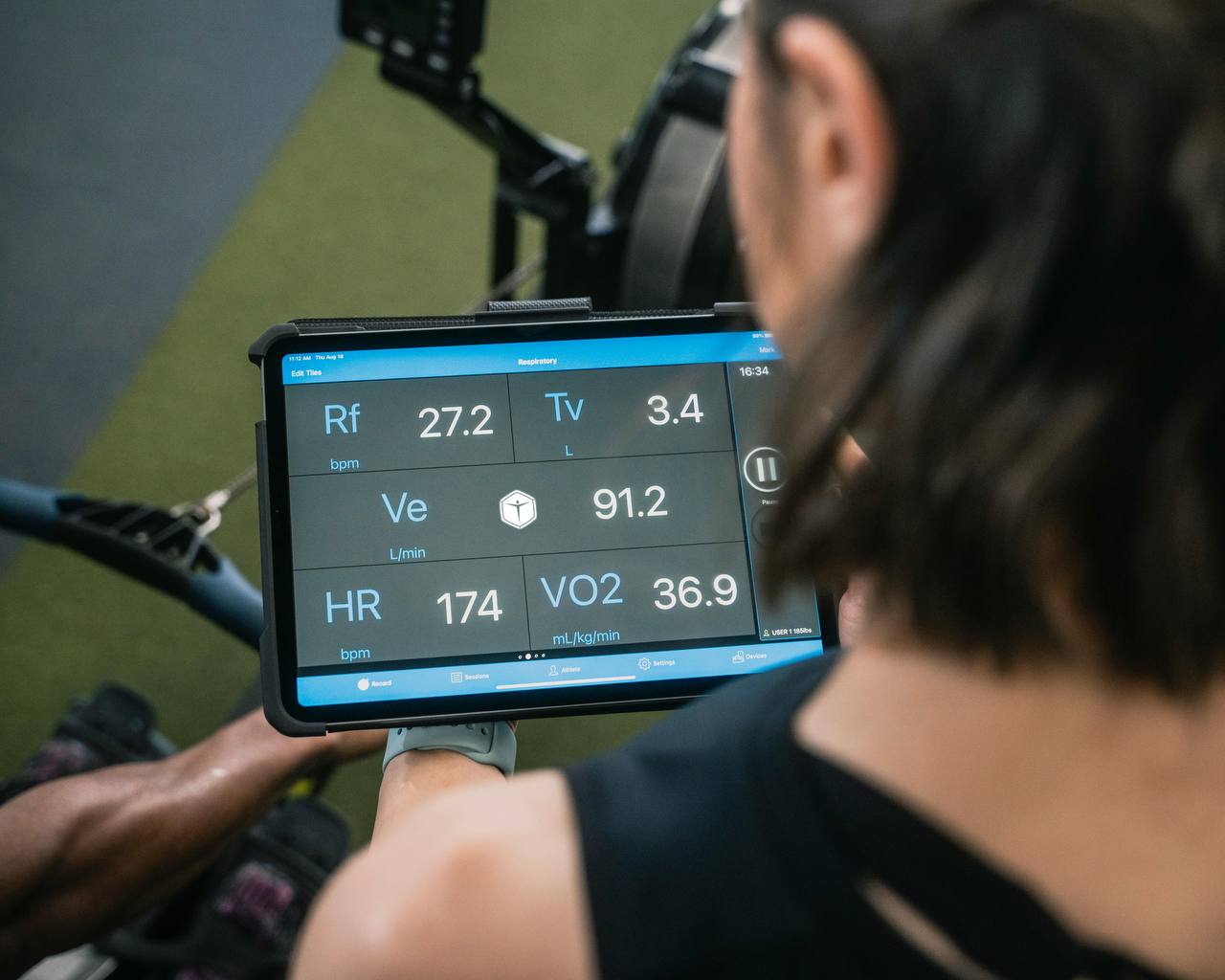

Digital biomarkers refer to objective and measurable physiological and behavioral information gathered via digital devices, including smartphones, wearable sensors, and connected medical instruments. In contrast to traditional biomarkers that typically depend on lab evaluations or in‑clinic assessments, digital biomarkers are produced continuously within everyday environments. They capture indicators such as heart rhythms, activity levels, sleep behaviors, vocal attributes, typing patterns, and movement dynamics, turning routine interactions with technology into meaningful health insights.
From Episodic Care to Continuous Monitoring
Conventional health checkups usually occur sporadically through infrequent clinic appointments and brief diagnostic evaluations, while digital biomarkers move this approach toward ongoing monitoring. Around-the-clock tracking from wearable devices can record heart rate variability, oxygen saturation, and activity patterns, uncovering trends that might go unnoticed during a short medical visit.
This continuous stream of data allows clinicians to detect subtle changes earlier. For example, gradual increases in resting heart rate or reductions in daily activity can signal the early stages of infection, cardiovascular stress, or worsening chronic conditions before patients feel obvious symptoms.
Key Technologies Powering Digital Biomarkers
- Wearable sensors: Smartwatches and fitness bands track heart rhythms, physical activity, sleep cycles, and occasionally temperature.
- Smartphones: Integrated accelerometers, microphones, cameras, and touchscreens register gait, vocal traits, facial cues, and cognitive engagement.
- Connected medical devices: Continuous glucose monitors, digital inhalers, and blood pressure cuffs deliver clinically meaningful readings from home.
- Artificial intelligence and analytics: Machine learning systems analyze extensive data flows to uncover patterns tied to disease emergence, progression, or therapeutic outcomes.
Changing the Landscape of Diagnostics
Digital biomarkers are being adopted more widely to aid diagnostic processes by offering objective data that enhances clinical evaluation.
One well-known illustration involves detecting irregular cardiac rhythms, as several smartwatches cleared by regulators can spot atrial fibrillation by examining uneven pulse patterns, and large observational research has indicated that such devices often encourage users to pursue medical assessment sooner, enabling faster diagnosis and treatment.
Neurology increasingly uses smartphone-based evaluations to track tremor activity, gait steadiness, and finger‑tapping pace, allowing specialists to observe Parkinson’s disease progression. These digital metrics align closely with symptom intensity and treatment effects, giving clinicians a richer view than infrequent in‑clinic assessments.
Mental health diagnostics continue to advance, as shifts in sleep habits, mobile device usage, speech rhythm, and movement patterns increasingly serve as digital indicators of depression or anxiety. Though these signals are not sufficient for diagnosis on their own, they offer valuable context that can help enable earlier support.
Personalized and Preventive Care
By capturing individual baselines, digital biomarkers enable personalized health monitoring. What is normal for one person may signal risk for another. Continuous data allows systems to learn personal patterns and detect meaningful deviations.
This tailored approach aids in preventive care, as shifts such as reduced physical activity along with changes in sleep patterns and heart rate may signal increasing cardiometabolic risk, enabling clinicians to suggest lifestyle modifications or additional tests before the condition fully manifests.
Influence on Clinical Trials and Pharmaceutical Development
Digital biomarkers are transforming research by supporting continuous, real‑world data gathering from afar, allowing clinical trials to track participants around the clock without repeated on‑site appointments, which boosts both convenience and the diversity of those enrolled.
Objective digital endpoints, such as daily movement or symptom fluctuation, can be more sensitive than traditional questionnaires. This sensitivity helps researchers detect treatment effects earlier and understand how therapies perform outside controlled environments.
Data Quality, Privacy, and Equity Considerations
Despite their promise, digital biomarkers raise important challenges. Data accuracy varies across devices and user behaviors, requiring rigorous validation. Regulatory agencies increasingly demand evidence that digital measures are reliable, clinically meaningful, and safe.
Safeguarding privacy and protecting data remain vital, as ongoing monitoring can produce extensive sets of sensitive personal details; maintaining trust therefore depends on rigorous encryption measures, explicit and transparent consent, and well‑defined data governance frameworks.
Equity remains a significant issue, as not everyone has access to smartphones, wearables, or dependable internet connections. If thoughtful design and supportive policies are lacking, digital biomarkers may end up deepening existing health inequalities instead of helping to close those gaps.
Integration into Healthcare Systems
For digital biomarkers to transform care, they must integrate seamlessly into clinical workflows. Clinicians need actionable insights, not overwhelming data streams. Dashboards that summarize trends, flag risks, and align with electronic health records are key to adoption.
Education also matters. Both healthcare professionals and patients must understand what digital biomarkers can and cannot do, ensuring they are used as supportive tools rather than replacements for clinical expertise.
The Future of Health Monitoring
Digital biomarkers are transforming the way health is assessed, moving the emphasis from isolated measurements to evolving patterns observed in everyday life. By supporting earlier recognition of issues, tailored understanding, and more adaptable care, they narrow the distance between routine activities and clinical monitoring. Their lasting influence will hinge not just on technological progress, but on careful integration, responsible ethical oversight, and a dedication to using continuous data to promote healthier living rather than merely producing additional information.