
There is no definitive top-ten ranking. Festivals often began long before anyone wrote about them, and the customs observed today may have developed centuries later. The examples below are among the oldest living celebrations with substantial historical evidence. Dates refer to the earliest identifiable traditions or records, not a proven year of origin. Their order is approximate, especially where the evidence overlaps.
1. Festival of Booths
Historical evidence: Ancient Jewish texts from the first millennium before the common era describe an autumn harvest festival involving temporary shelters. The dates of those texts, and of the practices behind them, remain debated.
Today: Jewish households and communities construct temporary open-air booths and gather within them. This holiday bridges appreciation for the autumn gathering with the scriptural narrative of the Israelites wandering across the desert.
2. Passover
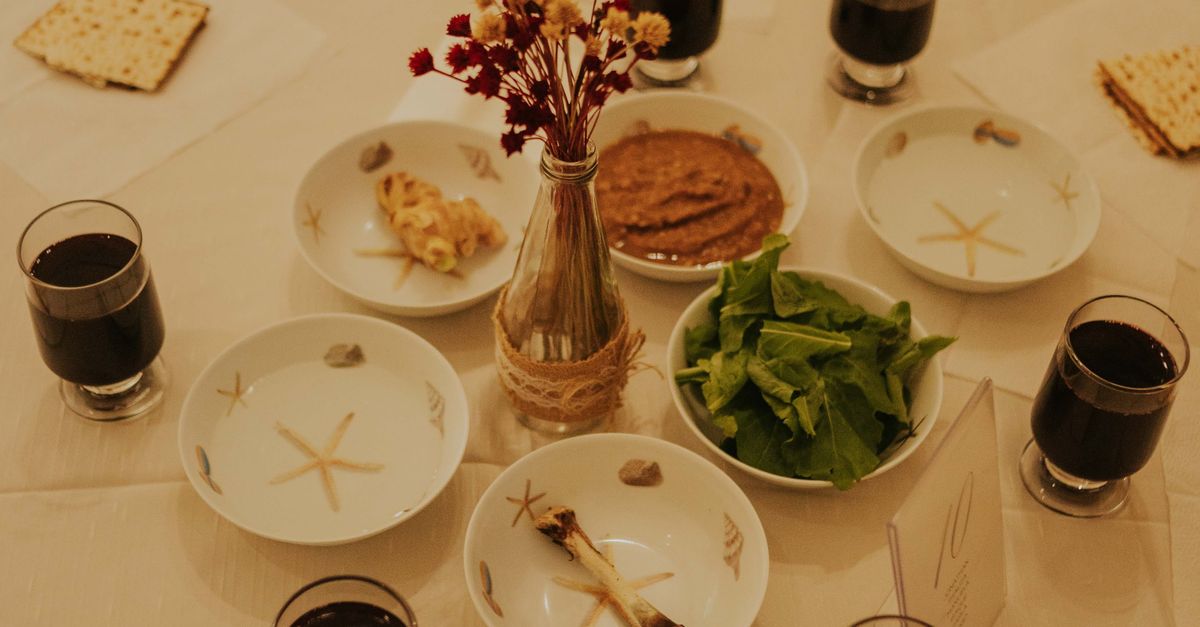
Historical evidence: Passover is described in ancient Jewish writings whose traditions reach back into the first millennium before the common era. Scholars distinguish those early observances from the home-centered meal that developed after the ancient temple was destroyed.
Today: Families gather for a ceremonial meal that retells the departure from Egypt. Special foods, questions, and storytelling make the celebration a means of passing history and identity between generations.
3. Chinese Lunar New Year
Historical evidence: Seasonal rites in China predate the unified New Year celebration recognized today. By the era of the Han dynasty, starting in the closing decades of the third century before the common era, official calendars alongside New Year festivities were progressively taking shape.
Today: Families get together, clean and adorn their houses, enjoy celebratory feasts, and exchange wishes for abundance. Festivities differ among groups, and no single historical tradition accounts for all contemporary practices.
4. Festival of Dedication
Historical evidence: This Jewish festival commemorates the rededication of the temple in Jerusalem in 164 before the common era. Ancient accounts provide an unusually clear historical event behind a festival still observed today.
Today: Households light an extra light on each of eight nights. The practice emphasizes remembrance and religious perseverance, although the familiar household lighting customs developed over time.
5. Easter
Historical evidence: Christians were debating how and when to observe their annual celebration of the resurrection by the second century of the common era. Those debates show that the observance was already established, even though its origins cannot be assigned a precise date.
Today: Worship, shared meals, and local customs mark the occasion worldwide. Its date and traditions differ among Christian communities, but its central religious meaning remains recognizable.
6. Persian New Year
Historical evidence: Persian New Year is associated with the spring equinox and has roots in ancient Iranian culture. Clear descriptions of its historical observance are especially strong from the period of the Persian Empire that ruled from the third to the seventh century of the common era. Claims of a precise three-thousand-year age go beyond what surviving records can establish.
Today: Households get their homes ready, call on family members, and set up symbolic arrangements honoring renewal. It is celebrated across diverse nations and populations, extending well past Iran.
7. Christmas
Historical evidence: A celebration of Jesus’ birth on December 25 is documented in fourth-century Rome. That is evidence for the festival’s date there, not proof of Jesus’ birth date or of a single origin for every Christmas custom.
Today: Religious services coexist with family gatherings, music, gifts, and public celebrations. These customs mirror numerous subsequent cultural layers incorporated into a prehistoric yearly commemoration.
8. Dragon Boat Festival
Historical evidence: Fifth-month seasonal observances in China have ancient roots. Written accounts linking the festival’s familiar traditions—including boat racing and its association with an ancient poet—became clearer in the early centuries of the common era. The poet’s traditionally assigned death in 278 before the common era should not be mistaken for a documented founding date.
Today: Boat races are held by communities alongside the preparation of rice foods wrapped in leaves. Seasonal traditions, rivalry, and commemoration are brought together by the festival.
9. Indian Festival of Lights
Historical evidence: This autumn festival is attested in traditions and writings from the first millennium of the common era, although claims about its exact age vary. It is not a single ceremony with one origin: several religious communities attach distinct meanings to celebrations held around this time.
Today: Homes and public spaces glow with lamps and lights. Many families exchange food, visit one another, and celebrate hopes for renewal and good fortune.
10. Kyoto Summer Shrine Festival
Historical evidence: This Japanese festival traces its beginnings to a ceremony held in 869 during an epidemic. Its large processions developed later, and historical disruptions mean its survival should not be described as an entirely unbroken annual sequence.
Today: Intricately adorned floats and strong community involvement establish it as one of Japan’s most celebrated heritage celebrations. It illustrates how reactions to a particular crisis can blossom into an enduring symbol of communal identity.
These festivals are old not because every detail has remained unchanged, but because communities have found reasons to carry them forward. Harvest, remembrance, renewal, and shared meals recur across very different traditions. Their endurance lies in that combination of inherited meaning and continual adaptation.