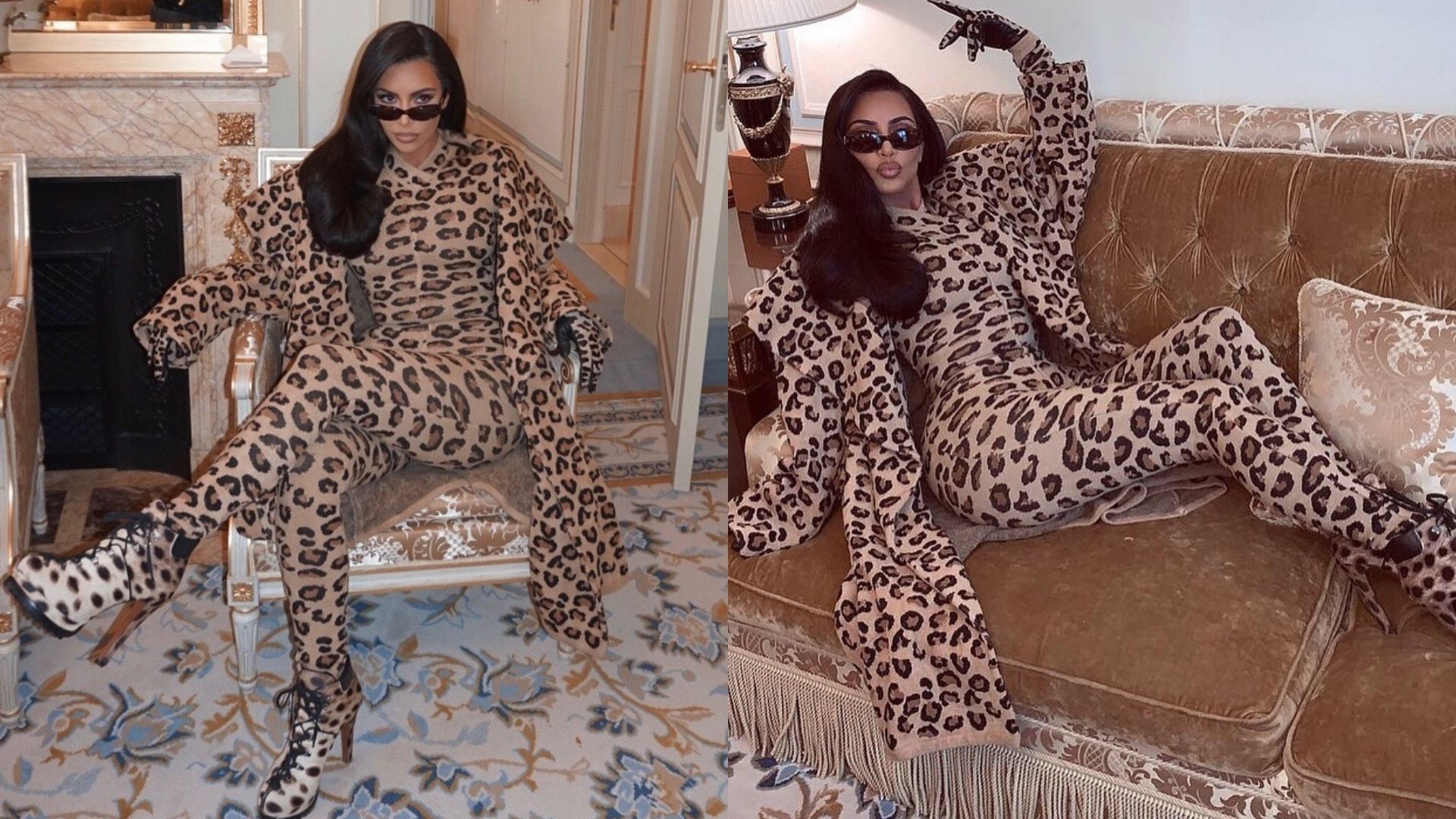

In the evolving world of fashion, certain patterns that were once considered bold or seasonal have gradually claimed a place among wardrobe staples. One of the most compelling examples is animal print—a design choice often perceived as daring or extravagant. However, growing fashion consensus suggests that animal print should no longer be viewed as a passing trend or statement piece, but rather as a versatile, go-to neutral.
For decades, prints such as leopard, cheetah, and zebra were primarily reserved for eye-catching moments—styled for nightlife, editorial shoots, or high fashion runways. These prints were synonymous with maximalism, and their strong visual identity led many to treat them with caution. But style sensibilities have shifted. Today, animal print is widely embraced across a range of aesthetics, from minimalist to bohemian, and its adaptability is challenging long-held fashion conventions.
In fashion, the essence of a neutral is more about its versatility and how effortlessly it complements other wardrobe pieces, rather than its hue. Classic neutrals like black, white, beige, navy, and gray are cherished as they form the essential base for creating coherent looks. Similarly, animal patterns, especially those with traditional brown and black tones, serve a similar purpose. For example, leopard print can effortlessly mix with solid colors and natural shades, while also enhancing vibrant, bold colors. This versatility makes it an essential styling element that surpasses seasonal trends.
Part of what makes animal print so dynamic is its ability to add visual interest without overwhelming a look. While florals or plaids might compete with other prints or textures, a well-chosen animal print can ground an outfit while adding a layer of sophistication. A leopard-print midi skirt can be styled with a simple white tee and denim jacket for an effortless daytime look, or paired with a structured blazer and heels for polished evening wear.
Fashion insiders have long understood this principle. Stylists frequently treat animal prints as foundational elements in capsule wardrobes, noting their reliability in both casual and formal settings. Designers continue to return to these motifs year after year—not as novelty items, but as enduring design components that anchor collections. From accessories to outerwear, animal prints consistently reappear in new forms that cater to evolving trends while maintaining their core appeal.
Fashion’s democratization via social media and online shopping has influenced the way animal print is perceived. On platforms such as Instagram, TikTok, and Pinterest, influencers frequently show how these designs can be incorporated with elegance and purpose. Rather than being the centerpiece of an ensemble, animal prints are typically utilized to enhance texture or provide contrast. Snakeskin boots paired with a muted ensemble, or a cheetah-print scarf draped over a simple sweater, offer depth without overpowering the appearance.
Additionally, animal motifs deliver a touch of uniqueness and style without necessitating risk. For individuals who like simple wardrobes yet wish to steer clear of dullness, these patterns offer a harmonious way to bring in diversity. The consistency of the color scheme guarantees it stays wearable, while the natural design of the pattern keeps it dynamic.
The modern embrace of animal print as a neutral also reflects broader changes in how fashion is consumed and interpreted. There’s increasing emphasis on personal expression, sustainability, and building long-lasting wardrobes rather than chasing fleeting trends. In this context, animal prints offer both longevity and style. Their perennial reappearance across seasons affirms their staying power, while their adaptability supports mindful dressing.
Color theory might also explain why these patterns remain so popular. The earthy shades present in many animal patterns—such as rich browns, intense blacks, and sandy beiges—reflect colors seen in the natural world, often viewed as soothing and stabilizing. These color connections support the notion that animal prints don’t need to scream to be noticed; they can softly merge into both casual and sophisticated outfits.
Some may argue that animal print’s ubiquity risks diminishing its impact, but in many ways, its normalization is precisely what supports its status as a neutral. Just as pinstripes or polka dots have become integrated into standard fashion vocabularies, animal print has matured beyond novelty. It no longer exists on the periphery of fashion, reserved for moments of excess or rebellion; it has joined the core lexicon of style.
There’s also a growing trend of animal print being reimagined in unexpected colorways—neon pink leopard spots, blue-toned snakeskin, or grayscale tiger stripes—offering even more versatility for those looking to personalize their looks. Still, it’s the classic iterations that retain the most enduring appeal. These prints possess a timeless quality that allows them to outlast trend cycles and remain relevant even as the broader fashion landscape evolves.
In the retail sector, the ubiquity of animal print across various levels of the market—ranging from affordable brands to high-end designers—demonstrates its broad appeal. It has moved beyond being merely a symbol of opulence or defiance, becoming a staple in fashion that appeals to a wide spectrum of buyers. Whether it’s a tailored leopard jacket showcased at a fashion event in Paris or an economical zebra-patterned purse available on the internet, animal print is now donned not only to capture attention but also to integrate fashionably.
Finally, considering animal print as a neutral acknowledges its part in the development of contemporary fashion. It defies the idea that neutrals need to be plain or understated, showing that texture, design, and personality can harmonize with adaptability. It encourages individuals to rethink the concept of a versatile wardrobe—not just in terms of hue, but in essence.
As fashion continues to embrace inclusivity and diversity in expression, it’s only natural that patterns once seen as unconventional are now seen as essential. Animal print’s journey from the fringe to the forefront of fashion is a testament to its adaptability, its timeless charm, and its capacity to act not merely as an accent—but as a foundation.