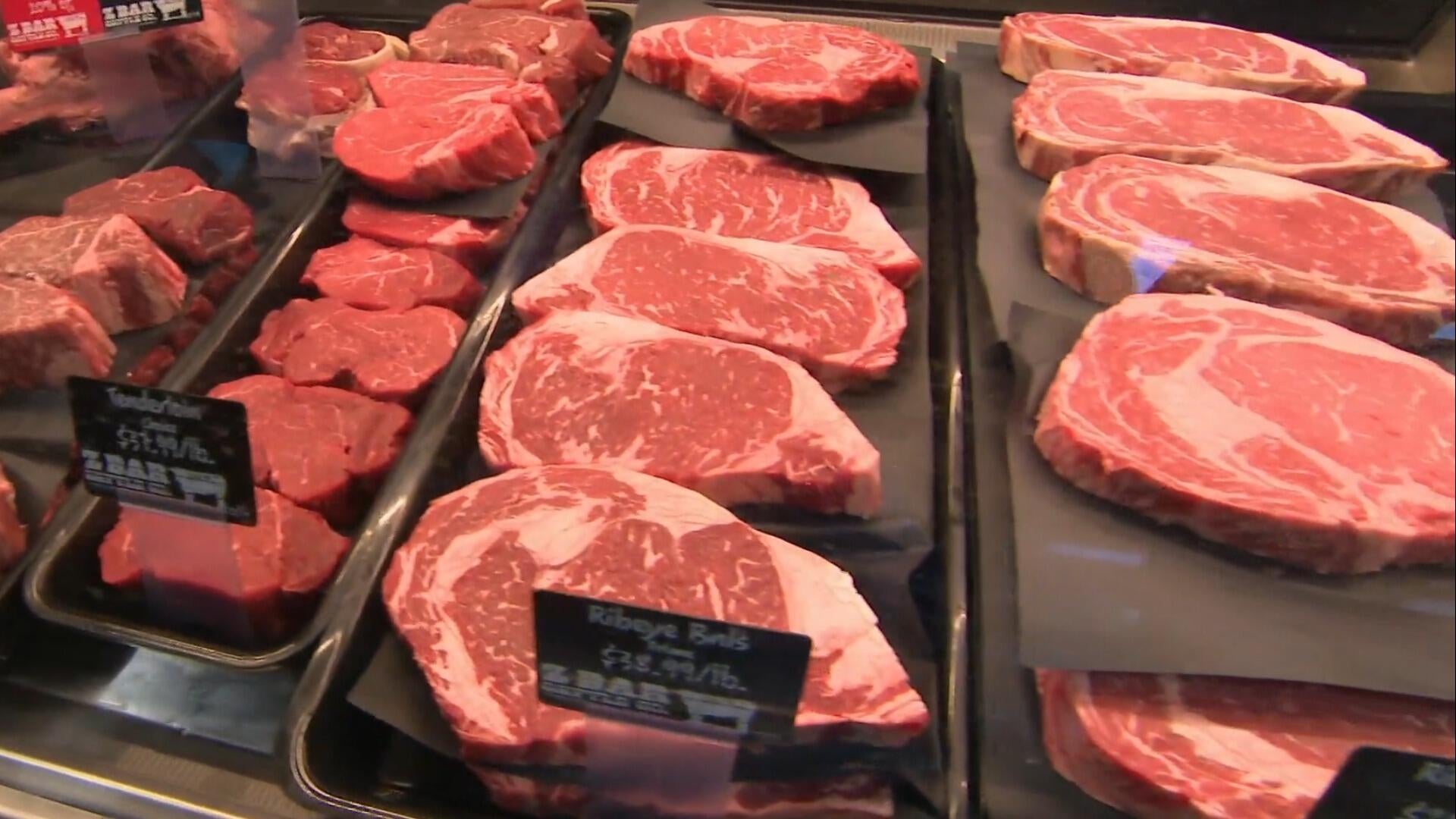

Grocery shoppers are facing sticker shock once again—this time not in the egg aisle, but at the meat counter. Beef prices have seen a significant jump in recent months, adding new strain to household budgets already stretched by inflation. As one of the most popular proteins in American diets, the rising cost of beef is prompting many consumers to reconsider their meal plans, while experts warn that this trend may persist well into the future.
Several factors are driving the spike in beef prices, with supply chain challenges and herd reductions playing a central role. In recent years, drought conditions in major cattle-producing regions, particularly across the southern and western United States, have severely affected pastureland and water access. As a result, many ranchers have been forced to reduce the size of their herds. This contraction in supply is now making its way to grocery store shelves, where fewer cattle translate directly into higher prices for beef products.
The consequences of this decrease in herds are intensified by the time required to restore supply. Producing cattle is a lengthy endeavor; bringing cows up to their slaughter weight might take two years or longer. Therefore, even if ranchers started to replenish their herds now, the effect on pricing wouldn’t be observed right away. This delay means that consumers might experience high beef prices for a prolonged duration.
Processing and labor costs have also contributed to the overall price surge. Meatpacking facilities continue to face higher wages and operational expenses, many of which stem from pandemic-era disruptions that never fully stabilized. Transportation and fuel costs, which affect the delivery of meat from slaughterhouses to retailers, have also played a role in driving prices up. Taken together, these factors are causing retail beef prices to climb at rates not seen in years.
Ground beef, steaks, and roasts are all becoming noticeably more expensive. According to market analysts, average beef prices have increased by double-digit percentages compared to the same period last year. While premium cuts are seeing sharp hikes, even more affordable options like ground beef are no longer immune to inflation. For families who rely on beef as a dietary staple, these rising prices are forcing a rethink of weekly grocery lists.
Customers are modifying their purchasing behaviors to adapt to this pattern. Some individuals are opting for more affordable protein sources, like chicken or pork, which have not seen much fluctuation. Meanwhile, others are choosing plant-based options or reducing their overall meat intake. This pattern is reminiscent of past events involving egg prices, where supply disruptions led to significant cost hikes and consumer pushback.
Retailers are also feeling the pressure. Grocery stores must balance rising wholesale prices with customer expectations, often choosing between absorbing some of the cost or passing it along to shoppers. Restaurants, too, are grappling with higher beef costs, which can impact menu pricing, portion sizes, or ingredient substitutions. For businesses built around beef—such as steakhouses or burger chains—this inflationary trend poses both financial and operational challenges.
Aunque los consumidores podrían desear un regreso rápido a los precios normales, los expertos indican que el alivio podría tardar en llegar. Los riesgos relacionados con el clima siguen siendo un factor importante, especialmente porque el clima impredecible continúa afectando la producción agrícola. Además, la demanda mundial de carne de res, especialmente de mercados emergentes, se ha mantenido fuerte. Este apetito internacional suma mayor competencia por la oferta limitada en EE.UU., manteniendo la presión sobre los precios.
There’s also the question of long-term shifts in the cattle industry itself. With increasing emphasis on sustainability, emissions reduction, and land use, some producers are reevaluating their operations altogether. The cost of adhering to new environmental regulations or investing in climate-resilient practices could further influence how beef is produced—and at what cost.
Este periodo de elevados precios de la carne no es simplemente un fenómeno pasajero. Es indicativo de desafíos más profundos y estructurales en la cadena de suministro de alimentos, la agricultura y el comportamiento del consumidor. Al igual que las escaseces de huevos que acapararon los titulares anteriormente, este aumento es un claro ejemplo de cómo los productos básicos en el supermercado pueden ser sensibles a las variaciones en el clima, la mano de obra, la logística y la economía.
As families search for methods to adjust, dietary specialists advise being versatile and inventive with meal planning. Integrating a broader range of protein sources, trying out vegetarian meals, and taking advantage of promotions or discounts can assist in lessening the effect of increased beef prices. For individuals who do not want to completely forgo beef, options such as smaller servings or choosing more economical cuts could provide a middle ground.
Ultimately, the soaring price of beef underscores the importance of resilience in food systems. Whether it’s drought, disease, or disruption, the ability of supply chains to withstand shocks is critical to ensuring affordable and accessible food for all. While beef prices remain high today, the lessons learned from this surge may shape how both producers and consumers approach meat in the years to come.