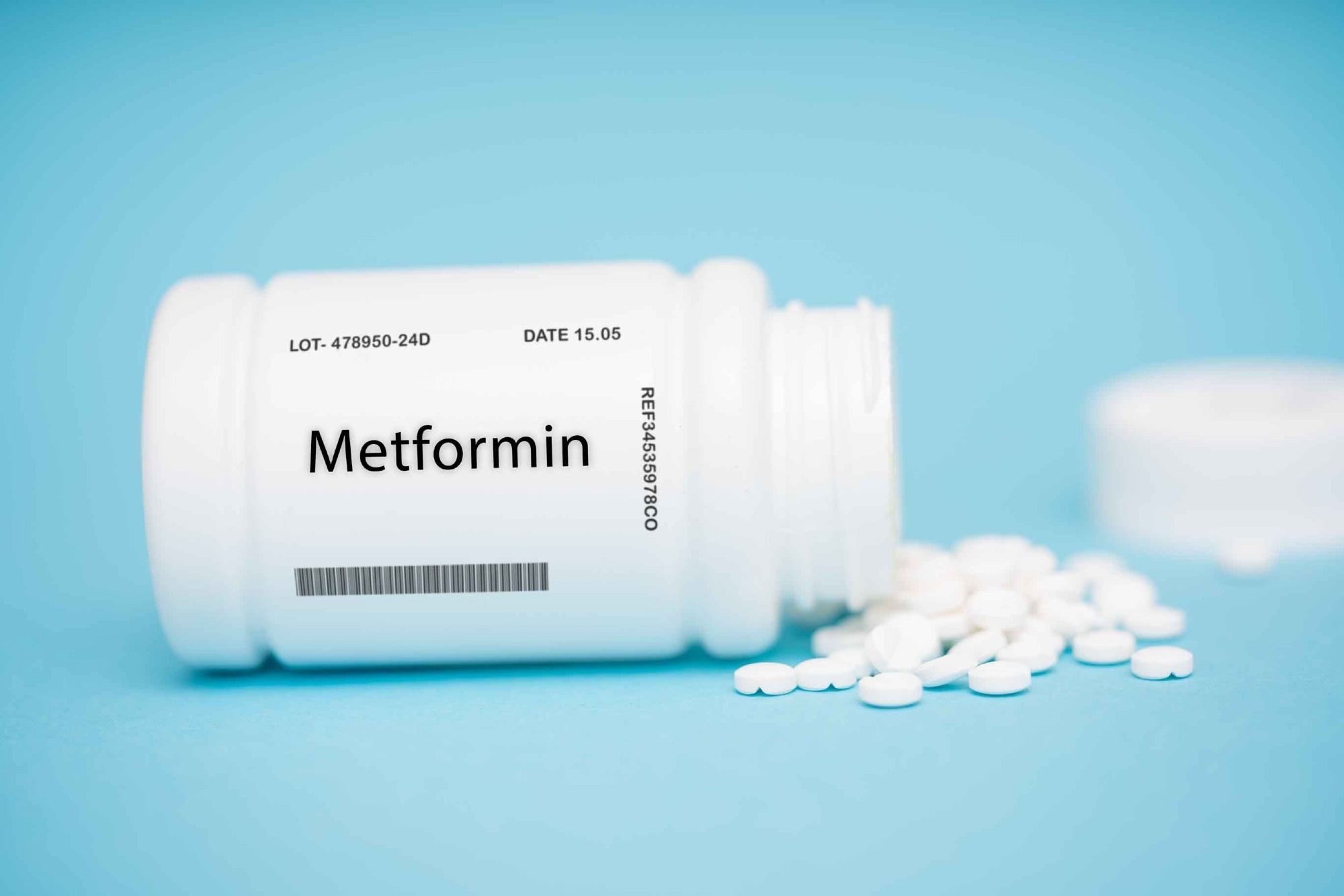

Recent studies propose that initiating metformin treatment shortly after contracting COVID-19 might reduce the risk of experiencing long COVID, providing a possible preventive strategy for vulnerable individuals. This finding may pave the way for early intervention, with the goal of minimizing lasting symptoms that impact millions globally.
Long COVID, characterized by lingering fatigue, brain fog, shortness of breath, and other persistent symptoms, has become a major public health concern. While vaccines and antiviral treatments have helped reduce severe illness and hospitalization, they do not always prevent post-viral complications. Metformin, a well-known medication commonly prescribed for type 2 diabetes, has recently gained attention for its anti-inflammatory and antiviral properties, prompting researchers to explore its potential in mitigating long COVID.
How metformin may help prevent long COVID
Metformin is commonly employed to control glucose levels in the blood, enhance the body’s response to insulin, and promote overall metabolic well-being. Nonetheless, new research suggests it has wider impacts, such as lowering widespread inflammation and adjusting immune functions. Because persistent inflammation and improper immune function are thought to contribute to long COVID, metformin’s actions make it a hopeful option for early treatment.
In studies, individuals who started metformin therapy within three months post-COVID-19 diagnosis showed fewer lasting symptoms compared to those who were not treated with the drug. Scientists believe that metformin might hinder virus replication, decrease inflammation signals, and enhance cell strength, thereby lowering the likelihood of enduring issues. The time of starting the treatment seems crucial, with prompt commencement providing the most significant advantage.
While metformin is generally considered safe, medical supervision is essential, particularly for individuals with kidney or liver conditions, or those taking other medications that may interact with it. Healthcare providers can evaluate patient history, risk factors, and current health status to determine whether early metformin use is appropriate.
Implications for public health and treatment strategies
If additional studies validate these results, metformin might be included in a comprehensive approach to avert long COVID, together with vaccination, antiviral treatments, and supportive care. Public health officials might propose early medication interventions for vulnerable groups, such as elderly people, immunocompromised individuals, and those with existing metabolic issues.
Lowering the frequency of persistent COVID-19 consequences holds significant impact. People who suffer from extended symptoms frequently encounter a reduced quality of life, obstacles in resuming employment, and difficulties in executing daily tasks. Addressing these issues with prompt action might decrease the pressure on medical services and enhance both efficiency and quality of life for the broader community.
Additionally, the research underscores the importance of timing in post-infection interventions. Medications that modulate immune function or inflammation may be most effective when administered early, before long-term complications are established. This insight could inform the development of future therapies for post-viral syndromes and other chronic conditions triggered by infection.
Wider advantages and future research paths
Más allá de la prevención prolongada de COVID, los beneficios antiinflamatorios y metabólicos de la metformina podrían ofrecer ventajas adicionales para los pacientes en recuperación de COVID-19. Las investigaciones indican que podría favorecer la salud cardiovascular, mejorar el metabolismo energético y reducir el estrés oxidativo, aspectos todos relevantes para quienes se recuperan de infecciones virales. Estos posibles beneficios secundarios resaltan el papel de la metformina como un agente terapéutico polivalente.
Experts are currently investigating the best dosing schedules, length of treatment, and patient selection parameters to enhance metformin’s protective benefits against long COVID. Current research seeks to find out if pairing metformin with other strategies—like antiviral drugs, immune modulators, or lifestyle modifications—can improve results. Comprehending the fundamental biological processes will also be essential, as it may help identify biomarkers that predict which patients could gain the most from early intervention.
Participation and awareness among the public will be crucial for implementing these discoveries effectively. Patients need to be educated about metformin’s potential in preventing long COVID, while also being aware that it does not substitute vaccines or other proven preventive strategies. Healthcare professionals will be essential in guiding its safe and effective use, keeping an eye on any side effects, and incorporating metformin into holistic post-COVID care plans.
Challenges and considerations
Despite promising results, several challenges remain. Long COVID is a complex, multi-system condition, and not all patients respond similarly to interventions. Genetic factors, underlying health conditions, and the severity of initial infection may influence outcomes, requiring personalized approaches to treatment. Furthermore, the long-term safety and efficacy of early metformin use in non-diabetic populations need careful evaluation to ensure risk–benefit balance.
Equity plays a significant role. Providing inclusive access to medications, health advice, and early intervention strategies is essential to assist populations disproportionately impacted by COVID-19 and its long-term effects. Public health initiatives should aim to bridge these inequalities, guaranteeing that preventive options such as metformin are available to those who would benefit the most.
Constant cooperation among scientists, healthcare professionals, and decision-makers is crucial for crafting evidence-based guidelines for employing metformin in the prevention of long COVID. This teamwork can also guide upcoming research on other conditions following viral infections, establishing a foundation for proactive treatment approaches that reduce ongoing complications after illnesses.
Potential of metformin for a healthy routine
The capability of metformin to lower the risk of long COVID signifies a major advancement in healthcare related to the pandemic. Administering an established and commonly accessible medication from the onset promises to lessen the physical, emotional, and financial impacts of enduring symptoms following COVID.
As ongoing research progresses, health professionals, patients, and public health organizations must collaborate to incorporate new findings into practical plans. Through diligent observation, patient awareness, and fair access to resources, early administration of metformin may play a significant role in averting persistent complications from COVID-19. In the end, this strategy represents a larger movement toward proactive and evidence-driven healthcare, which aims not only to treat immediate health issues but also to prevent long-term effects, thus enhancing results for both individuals and communities.