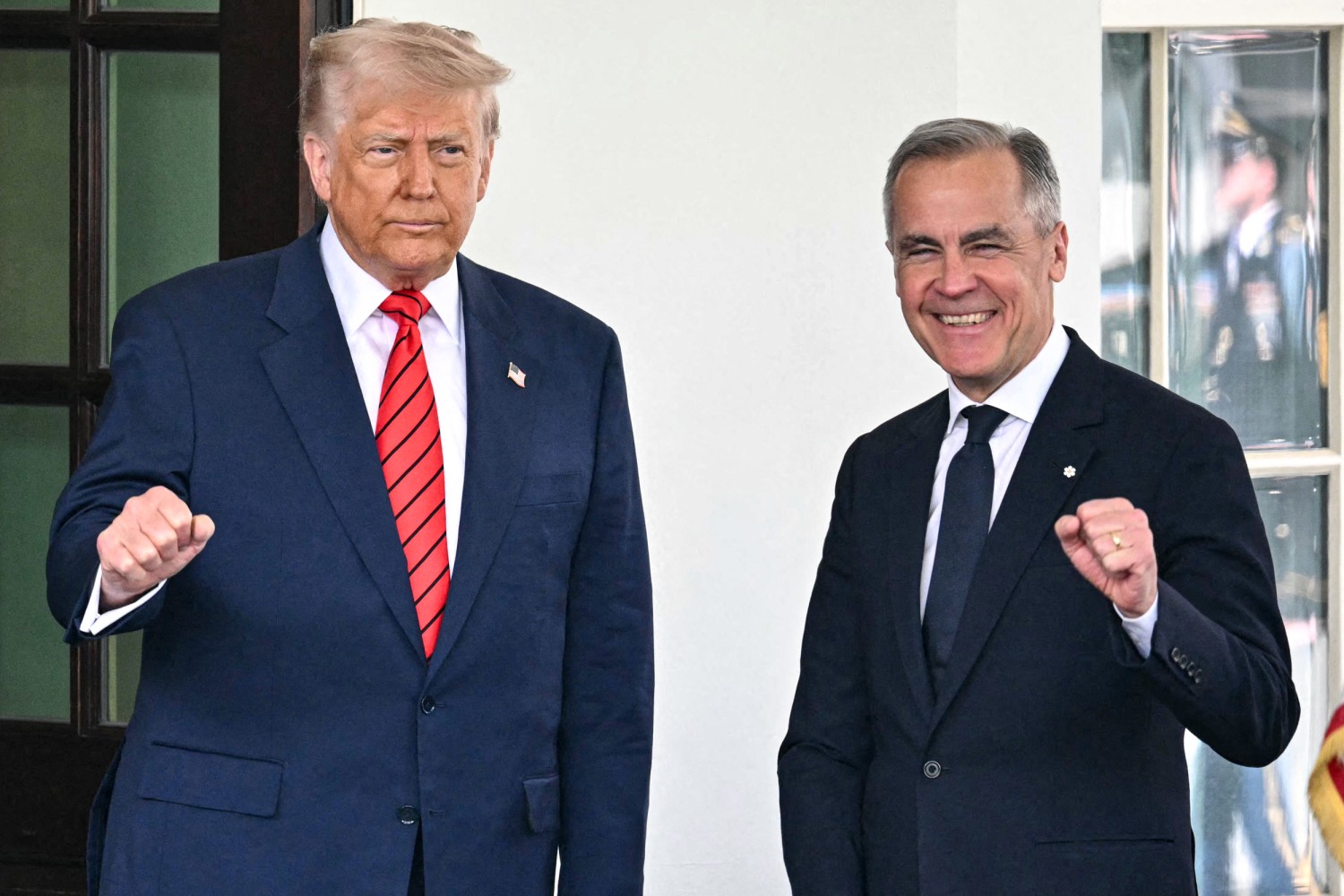

In a recent public statement, former Bank of England Governor Mark Carney suggested that any forthcoming trade agreement between the United States and Canada is likely to feature certain targeted tariffs. Carney, who has also served as Governor of the Bank of Canada and is now a prominent voice in global finance and economic policy, emphasized that evolving economic dynamics, geopolitical pressures, and industrial strategy may require both countries to revisit assumptions about fully tariff-free trade.
While Carney stopped short of outlining specific sectors or goods that would be affected, his comments indicate a shift away from the longstanding principle of absolute free trade between the two neighbors. Instead, he highlighted a potential need for “smart tariffs” or selective trade barriers designed to protect strategic industries, respond to carbon emissions, or ensure supply chain resilience—especially in critical areas such as energy, manufacturing, and clean technology.
This perspective reflects a broader global trend in which countries are reassessing traditional trade liberalization models in favor of more nuanced economic partnerships that prioritize national interests, climate goals, and economic security. Carney’s remarks, delivered at an economic forum focused on North American competitiveness, underscore how both Canada and the United States are navigating a more complex global trade environment shaped by challenges such as inflation, climate change, digital transformation, and geopolitical tension.
The commercial ties between Canada and the United States rank among the most significant and complex globally. Daily, merchandise and services valued at billions traverse the border, fueling industrial innovation, job opportunities, and economic expansion in both nations. Although the United States-Mexico-Canada Agreement (USMCA), which succeeded NAFTA in 2020, advanced trade regulations to align with today’s economic landscape, there’s an increasing awareness that emerging challenges require revised approaches.
Carney’s remarks imply that a future revision or renegotiation of the USMCA—or a completely new bilateral agreement—might need to consider changes in industrial strategy. For instance, both Canada and the U.S. are making significant investments in clean energy technologies, such as electric vehicles (EVs), essential minerals, and renewable energy systems. Tariffs might be utilized strategically to promote domestic manufacturing, decrease dependence on non-allied nations, and achieve ambitious environmental goals.
Also, worries about labor standards, environmental safeguards, and online commerce have led to demands for a trade framework that emphasizes values. Instead of concentrating just on reducing expenses and removing tariffs universally, contemporary trade policy might aim to align with wider national goals, like equitable labor practices, climate resilience, and data governance. In this scenario, thoughtfully implemented tariffs could function as instruments to equalize competition and secure economic justice.
Carney also referred to the changing function of international bodies and the weakening of multilateralism in trade regulations. With the World Trade Organization (WTO) encountering more threats to its power, nations are more frequently opting for regional or bilateral deals to protect their economic priorities. The growing importance of industrial strategy in both Washington and Ottawa suggests a future in which trade will focus less on complete liberalization and more on specific partnerships and controlled rivalry.
Although certain company executives and financial analysts caution that implementing additional tariffs might disturb supply channels or elevate consumer expenses, other voices contend that these actions might be essential to bolster enduring economic strength. Recent worldwide occurrences, such as the COVID-19 pandemic, supply chain disruptions, and geopolitical tensions, have exposed weaknesses in global trade networks that numerous governments are currently attempting to manage through internal investment and strategic protectionism.
For Canada, a shift toward accepting certain tariffs in trade negotiations may represent a strategic balancing act. On one hand, it remains deeply committed to open trade and multilateralism, having signed agreements with the European Union and Pacific nations in recent years. On the other hand, the economic influence of the United States, as Canada’s largest trading partner, means Ottawa must stay closely aligned with U.S. trade policy shifts—especially under administrations that prioritize domestic manufacturing and energy security.
Carney’s remarks also have implications for climate-related trade mechanisms, such as carbon border adjustments. These tools, which impose tariffs on imports based on the carbon intensity of production, are gaining traction in Europe and are being discussed in North America as a way to prevent “carbon leakage”—the outsourcing of pollution to countries with weaker environmental regulations. In such cases, tariffs would serve not as protectionist instruments but as environmental safeguards designed to promote global climate accountability.
In the months ahead, policymakers, industry leaders, and trade experts in both countries are likely to explore how selective tariffs might be integrated into future trade frameworks without undermining the overall flow of goods and services across borders. Transparency, predictability, and collaboration will be essential to avoid sparking trade disputes or retaliatory measures.
From a political standpoint, the suggestion that tariffs could re-emerge as part of North American trade policy is likely to provoke a wide range of reactions. Free trade advocates may view the development as a step backward, while proponents of economic nationalism and strategic autonomy may see it as a necessary evolution. For elected officials, the challenge will be to strike a balance between economic integration and national priorities—particularly in sectors considered vital to future prosperity and security.
Mark Carney’s indication that a future U.S.-Canada trade deal may include targeted tariffs reflects a growing shift in how countries conceptualize international commerce. Rather than relying solely on free-market principles, emerging trade strategies may blend openness with selective protection to adapt to an increasingly complex economic and geopolitical landscape. As negotiations continue and conditions evolve, both nations will need to carefully consider how to use tariffs and other tools to safeguard their interests while maintaining the deep economic ties that have long defined the U.S.-Canada relationship.