Investments and Business

Chile: Why mining value chains create opportunities beyond extraction

Chile: Why mining value chains create opportunities beyond extraction

Chile has long been synonymous with large-scale mining, especially copper. That dominance is changing the calculus of national development: extraction remains central, but the real economic and social leverage increasingly lies in capturing value further down the chain. Expanding activity beyond the mine— into processing, manufacturing, services, technology, and recycling — can multiply jobs, diversify exports, reduce vulnerability to commodity cycles, and accelerate decarbonization. The following lays out how and why these opportunities arise, with examples, data-driven context, and practical implications.The baseline: Chile’s mining profile and macro importanceChile stands among the globe’s top copper producers and also plays a major…
Read More
Argentina: cómo se valora el riesgo político y los controles de capital en el retorno esperado

Argentina: Investor Insights on Political Risk & Capital Controls

Argentina exemplifies how investors reinterpret political ambiguity and capital controls into higher required returns, inconsistent price behavior, and complex hedging strategies. Ongoing macroeconomic instability, repeated sovereign debt restructurings, stretches of strict foreign‑exchange restrictions, and abrupt shifts in policy cause market valuations to incorporate far more than typical macro risk premiums. This article describes the mechanisms through which political decisions and capital controls influence asset pricing, the empirical indicators investors track, the practical methods applied for valuation and risk assessment, and concrete illustrations drawn from Argentina’s recent past.How political risk and capital restrictions can influence overall returnsPolitical risk and capital controls…
Read More
Norway: How energy transitions create investable opportunities beyond oil and gas

Unlocking Norwegian Investment: Post-Oil & Gas Energy Transition

Norway has long been defined by oil and gas. Today it is redefining its comparative advantages — abundant renewable electricity, advanced maritime engineering, deep capital markets, and a skilled labor force — to create investable opportunities beyond hydrocarbons. The transition is not about replacing one revenue stream with another overnight. It is about turning energy-system strengths into sectors that attract private capital, scale industrial value chains, and decarbonize European and global demand.Why Norway is well positionedNorway’s power system is dominated by hydropower, providing stable, low-carbon electricity across seasons. Annual generation is on the order of 130–150 terawatt-hours, with hydropower contributing…
Read More
What signals indicate a business has durable pricing power?

Identifying Durable Pricing Power: Key Business Signals

Durable pricing power is a company’s sustained ability to raise prices or maintain margins without materially harming demand, customer loyalty, or competitive position. It is not about one-off price increases during inflationary spikes; it is about consistency across business cycles. Identifying this trait helps investors, operators, and strategists distinguish resilient businesses from those dependent on favorable conditions.Consistent Margin Stability or ExpansionConsistently steady or widening gross and operating margins maintained across extended periods, even through recessions or sudden cost increases, offer one of the most reliable indicators. Stable gross margins despite rising input costs indicate the company can pass costs through…
Read More
What are the main hurdles to mainstream adoption of tokenized securities?

The Road to Mainstream Tokenized Securities: Overcoming Obstacles

Tokenized securities refer to familiar financial instruments including equities, bonds, real estate interests, or investment funds that are digitally represented on a blockchain. Each token reflects ownership rights and economic entitlements comparable to traditional securities, while offering potential advantages such as quicker settlement, reduced expenses, divisible ownership, and wider investor reach. Although banks, asset managers, and exchanges continue experimenting with these models, broader adoption has stayed modest because of persistent structural and systemic challenges.Regulatory Uncertainty and FragmentationA major hurdle often arises from the absence of well-defined, harmonized regulation.Inconsistent legal classification: Different jurisdictions may categorize tokenized securities as conventional securities, digital…
Read More
Uruguay: Why stable institutions matter for cross-border wealth planning

Uruguay: The Role of Stable Institutions in Cross-Border Wealth Planning

Strong institutions are the backbone of any jurisdiction that aspires to host cross-border capital, family wealth, and international business structures. For high-net-worth individuals, family offices, and multinational enterprises, institutional stability reduces legal uncertainty, lowers political and fiscal risk, and improves the predictability of outcomes for succession, tax planning, asset protection, and investment. Uruguay — a small, open economy in South America with a population of about 3.5 million and GDP broadly in the tens of billions of dollars — exemplifies how durable institutions can make a jurisdiction attractive for cross-border wealth planning.How institutional stability shapes wealth planningRule of law and…
Read More
Ecuador: How dollarized economies change credit, inflation, and investment planning

Ecuador’s Dollarized System: Credit, Inflation, and Investment Strategies

Ecuador adopted the United States dollar as its legal tender in 2000 following a severe banking and currency crisis. That pivotal decision removed exchange rate swings against the dollar and placed monetary policy under the influence of the U.S. Federal Reserve. Dollarization reshaped the country’s macroeconomic landscape: it brought price stability and anchored inflation expectations, yet it also eliminated vital policy instruments such as a domestic lender of last resort, an autonomous interest rate framework, and the ability to finance fiscal gaps through money creation. These structural changes continue to shape credit conditions, inflation trends, and investment strategies in ways…
Read More
Real estate iReal estate investment in Panama

Real Estate Investment Panama: Residency Not Required to Purchase?

You are not required to hold residency to purchase property in Panama. Local legislation grants foreigners the same rights as citizens when acquiring real estate, turning the Panamanian market into one of the most inviting and easily accessible options for international investors aiming to broaden their portfolios within a stable economic setting.This legal openness, combined with a dollarized economy and legal stability, has fueled interest among buyers seeking to diversify their assets by acquiring real estate with appreciation potential, such as residences on the private islands of Ocean Reef Islands. Would you like to learn more about whether residency is…
Read More
Costa del Mar leads Panama City’s residential market in 2026

Panama City’s Future: Costa del Mar Leads Residential Sector 2026

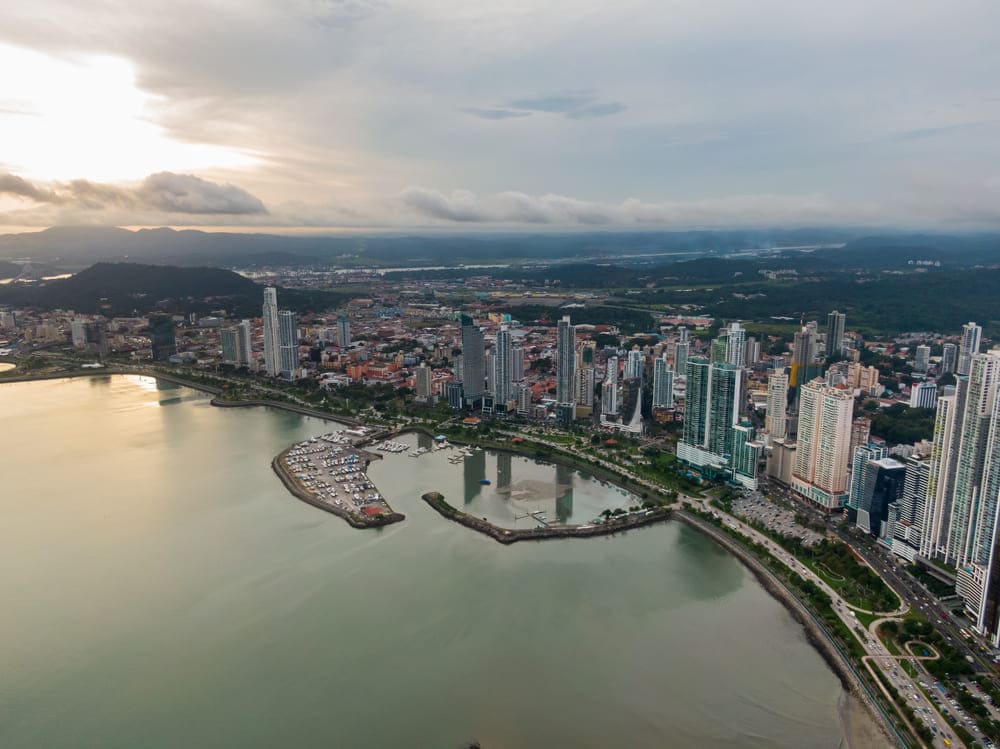
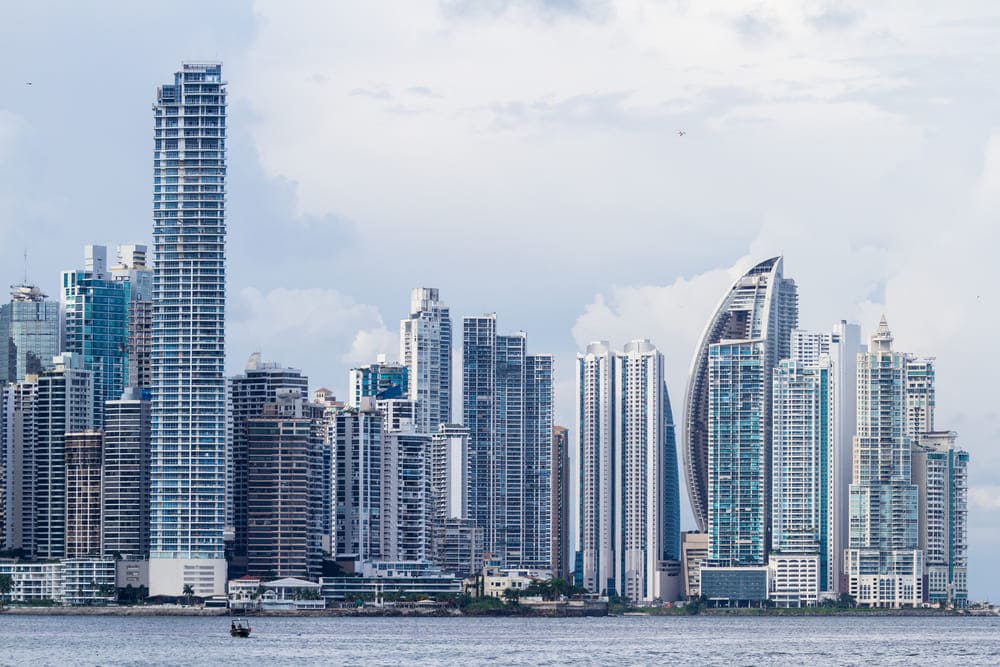
Costa del Mar emerges as the top residential choice in Panama City in 2026, blending coastal living, strong urban access, and a hub of high-end real estate development; its prime position within Costa del Este, thoughtful planning, and increasing property values have turned it into a coveted destination for professionals, families, and investors who want an elevated lifestyle while remaining close to the city.Within this community, projects are emerging that align with the evolving expectations of today’s residential market. IPANEMA Residences stands among the developments propelling this shift, blending contemporary architecture, sweeping ocean vistas, and wellness-focused features within one of…
Read More
Why has Panama become a popular retirement destination?

What Makes Panama a Retirement Favorite?

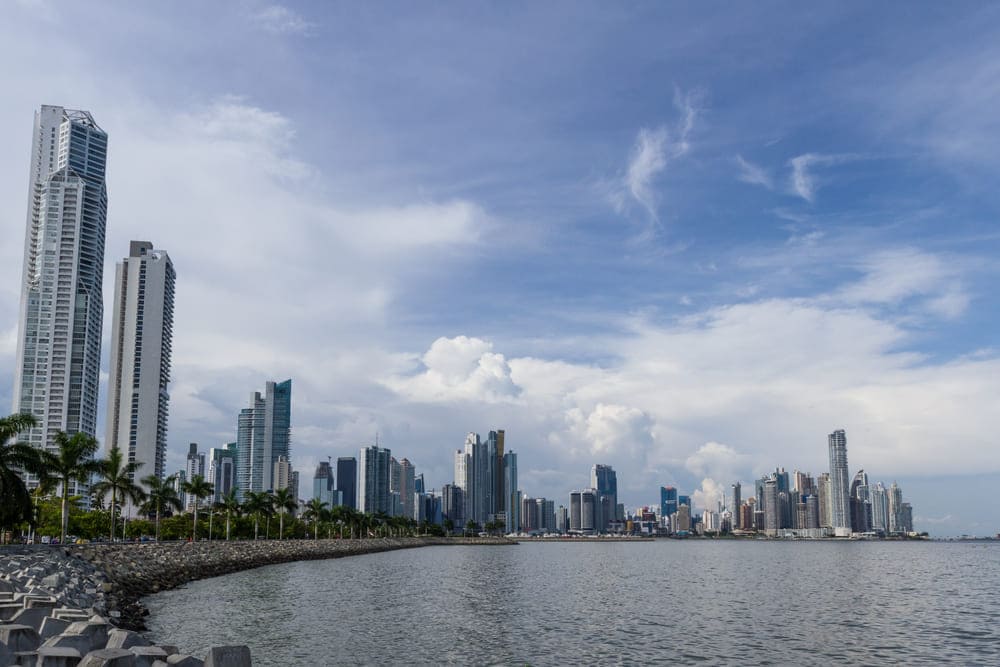
Panama has emerged as one of the most appealing retirement destinations in Latin America, supported by its steady economy, use of the dollar, consistently warm climate, and availability of modern comforts, complemented by expanding urban development, dependable healthcare, and a lifestyle that blends peace with convenient access to everything essential for enjoying this phase of life.The development of modern residential projects also reflects this trend. Initiatives such as Armonía Cinta Costera in Panama City are a clear example of how the country’s real estate market is adapting to the needs of those seeking a comfortable, well-connected lifestyle designed for well-being.…
Read More