
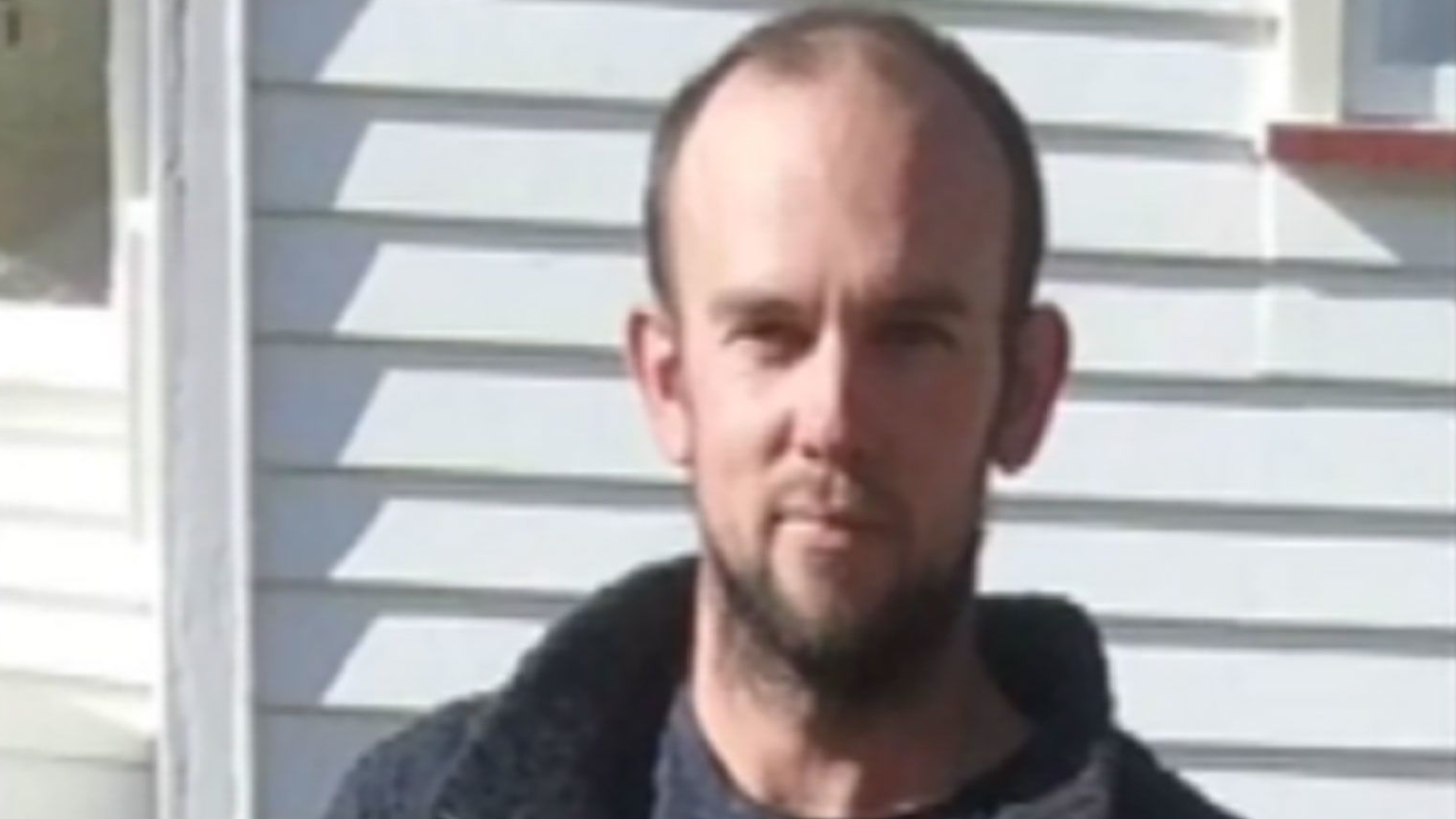

The relatives of a dad who has been residing off the grid with his three kids in a secluded, forested location are urging him to return home. Officials and family members have shown serious worry regarding the safety and condition of both the children and the father, who has apparently avoided interacting with authorities for a long time. This continuing scenario has drawn interest from law enforcement, social services, and the wider community, emphasizing the difficulties associated with extended isolation in heavily wooded areas.
For numerous years, the dad and his offspring have resided in circumstances distant from contemporary amenities, depending on temporary shelters, restricted food supplies, and the natural resources in their surroundings. It is said that the family has often relocated within the wooded region to evade discovery, complicating efforts by officials to make contact or offer help. Although the father’s reasons are not fully understood, family members highlight that the children’s well-being is the top priority.
The father’s family has consistently voiced their worries over the potential risks associated with long-term isolation. Living in remote wilderness areas can expose children to hazards such as extreme weather, limited access to medical care, food scarcity, and potential encounters with wildlife. In a public statement, relatives pleaded for him to prioritize the health and safety of the children and to consider returning home voluntarily, where they would have access to support, healthcare, and educational opportunities.
Family members also stress the emotional impact on the children, noting that prolonged separation from peers, educational institutions, and extended family can affect their social and psychological development. Advocates for the family hope that by making their appeal public, they may encourage the father to consider the well-being of his children and to reach a resolution that safeguards them while minimizing confrontation with authorities.
Law enforcement officials face significant obstacles in locating the family due to the dense forested terrain and the family’s knowledge of survival tactics. Tracking individuals in remote wilderness areas requires specialized resources, including aerial surveillance, search-and-rescue teams, and coordination across multiple agencies. Even with these tools, the vastness and complexity of the terrain make sustained efforts difficult, prolonging the period of uncertainty.
Authorities emphasize that their primary objective is the safety of the children rather than punitive action against the father. While legal considerations may come into play, officials recognize the importance of balancing enforcement with measures that protect the vulnerable children from harm. This approach often involves negotiation, offering safe return options, and providing resources to facilitate reintegration into society.
Extended periods of isolation in the wilderness can have profound effects on both children and adults. Children may experience social deprivation, limited educational engagement, and psychological stress due to the lack of stable routines and interactions with peers. Adults living in prolonged isolation may face mental health challenges, heightened stress levels, and difficulties making rational decisions under pressure.
Specialists in the fields of child development and psychology emphasize that reuniting families in these situations necessitates thoughtful planning and the implementation of support systems. The process of reintegration might include therapy, medical check-ups, and educational programs to fill developmental voids and ensure the children’s holistic well-being. Officials and social services strive to handle the matter with care to avoid further trauma, while ensuring safety is prioritized.
The situation has captured public attention, with media organizations updating on the father’s prolonged avoidance and the family’s continuous attempts to contact him. Local residents have shown a blend of worry, intrigue, and compassion, acknowledging the situation’s intricacies. Social media has expanded the family’s message, helping them connect with a broader audience and directly addressing the father’s accountability.
Raising public awareness serves two purposes: it may promote voluntary repatriation and underscore the risks of staying long-term in isolated regions. Specialists warn that intense media focus might increase the pressure on those affected, yet it can also drive towards a solution by prompting the father to explore options that ensure his children’s well-being.
While the father may face legal scrutiny for evading authorities, experts note that immediate concerns center on the children’s safety. Legal frameworks allow authorities to intervene when minors are at risk, but interventions are often designed to minimize confrontation and focus on providing support rather than punishment. Authorities may also offer assurances of limited legal repercussions in exchange for voluntary return, emphasizing cooperation and family reunification.
The legal implications intersect with safety concerns, particularly regarding the children’s access to healthcare, nutrition, and education. Ensuring that basic needs are met is a priority, even before legal resolutions are addressed. In such cases, courts, child protection agencies, and law enforcement often collaborate to develop comprehensive plans for safe reintegration and ongoing monitoring.
Comprehending the reasons behind the father’s choices is intricate. Some suggest that his decision to reside in seclusion might arise from skepticism towards officials, personal convictions regarding independence, or apprehensions about the setting the children experienced before living off the grid. Irrespective of the rationale, specialists stress that remedies should focus on the practical aspects of surviving in the wild while promoting a secure comeback.
Obstacles faced by the father might encompass anxiety about legal consequences, struggles to adapt to society’s expectations following prolonged seclusion, and worries about sustaining the family in a changed environment. Government bodies and social services strive to mitigate these issues by presenting options that alleviate perceived risks, extending support for lodging, job opportunities, and medical care, while guaranteeing an orderly setting that puts the children’s well-being first.
Negotiation and outreach remain central strategies for resolving the situation. Family members, social workers, and law enforcement continue to communicate in ways designed to build trust and reduce resistance. Emphasizing the well-being of the children, rather than focusing solely on legal consequences, may increase the likelihood of voluntary return.
Experts suggest that careful planning, combined with appropriate resources and support, can facilitate a smoother transition from isolation to structured living. This may include temporary accommodations, mental health support, and educational services to help the children reintegrate safely. The goal is to balance compassion with practical considerations, ensuring that safety and well-being are prioritized while minimizing disruption to the family unit.
Incidents involving extended family seclusion in remote wilderness regions prompt broader considerations regarding the well-being of children, survival abilities, and the balance between individual freedoms and community safety. These situations are regularly used by officials and lawmakers to analyze deficiencies in support networks, outreach methods, and the resources accessible to families opting for unconventional ways of living.
Public discourse around the situation also highlights the tension between individual autonomy and societal responsibility. While adults may make personal choices about lifestyle and self-sufficiency, the welfare of children remains a societal concern. Experts emphasize that early intervention, community support, and access to resources are critical in preventing long-term risks associated with isolation.
The current circumstances of a father residing with his three kids in dense forest areas emphasize the intricate issues of balancing individual liberty and the well-being of children. The family’s public outreach acts as a poignant reminder of the human aspects at play, bringing to light the emotional, mental, and practical difficulties that both the children and their parent encounter.
Officials keep focusing on security and welfare, using approaches based on negotiation and assistance to motivate a voluntary comeback. At the same time, the wider society observes carefully, contemplating the difficulties of endurance, solitude, and the duties attached to being a parent. Achieving a secure solution necessitates collaboration, empathy, and an emphasis on safeguarding those most at risk, especially the children, while dealing with the practicalities of life away from the grid.
