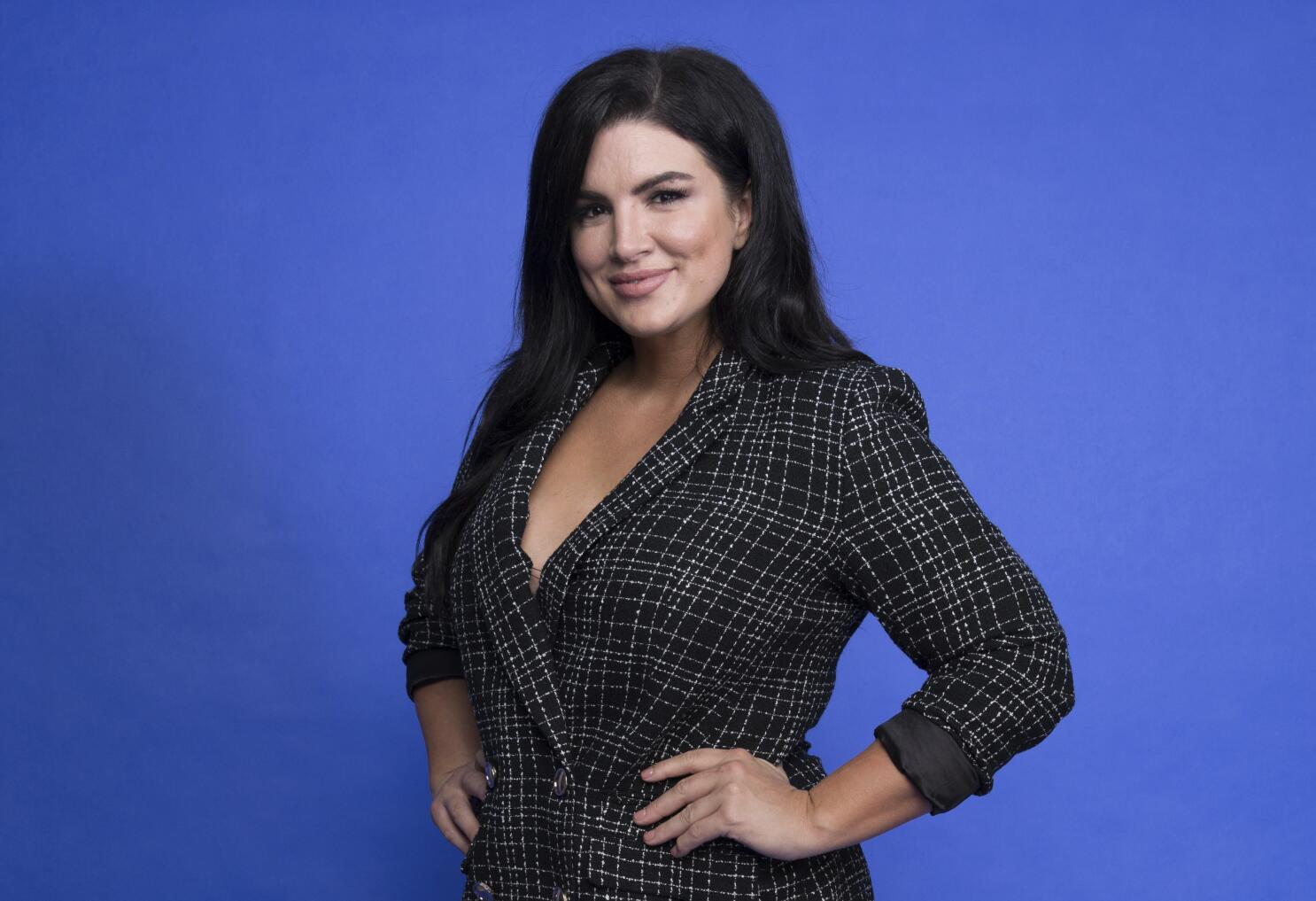

The entertainment sector has just observed the conclusion of a significant legal contention between a notable actor from the well-regarded Star Wars series The Mandalorian and The Walt Disney Company. Following almost two years of court proceedings and strenuous discussions, both sides have reached a secret settlement that resolves their heated employment conflict. This meticulously arranged agreement averts what might have turned into one of the most talked-about legal confrontations in Hollywood concerning talent relations within franchise entertainment.
Context of the conflict
The disagreement began when Lucasfilm Ltd., a division of Disney managing the Star Wars series, opted to end the actress’s contract while they were filming the third season of The Mandalorian. The company mentioned supposed breaches of corporate policies as the grounds for her removal, although the exact nature of these alleged violations was never made available to the public. The actress, whose performance as a significant character received acclaim from both fans and critics in the first two seasons, later initiated a wrongful dismissal lawsuit against Disney in California Superior Court.
HTML Legal files acquired prior to the resolution expose the complainant’s assertions involving accusations of contract violation, harm to reputation, and lost opportunities for future income. The lawsuit requested significant financial compensation alongside a possible return to the position. Disney’s attorneys opposed these accusations by affirming the firm’s authority to cancel agreements if existing workplace guidelines seem to have been breached. Legal documents highlighted major conflicts between the involved parties concerning the understanding of company rules and the proper creative path for the character involved.
The Process of Settlement
Based on insights from legal experts in the entertainment field who know the specifics of the case, the process toward resolution encompassed several phases of dialogue, aided by mediators proficient in resolving entertainment sector conflicts. These private conversations have reportedly gained momentum in recent months, as both sides understood the shared advantages of steering clear of a courtroom confrontation.
The final agreement includes standard confidentiality provisions that prevent either side from disclosing specific terms. However, legal analysts with experience in similar Hollywood cases suggest such settlements typically involve:
- Monetary reimbursement – Probably encompassing past salaries and possible future income the artist could have anticipated from the position
- Mutual non-disparagement agreements – Preventing both sides from speaking negatively about one another in the future
- Professional development – Potentially involving priority options or additional career opportunities within the Disney organization
Sources from the industry suggest that the settlement is approximately in the middle of the seven-figure range. However, this information is unverified because of the strict confidentiality agreements. Importantly, the deal does not allow the actress to resume her previous part in The Mandalorian or other Star Wars projects.
Production impacts and creative consequences
The actress’s exit required substantial creative changes to The Mandalorian‘s third season. The writers and producers needed to revise several storylines to address the gap created by the absence of a character previously considered central. This unforeseen event reportedly led to production delays and necessitated extra reshoots to uphold narrative consistency.
Showrunner Jon Favreau and executive producer Dave Filoni encountered the challenge of maintaining the series’ artistic vision amid an unexpected casting change. They addressed this by shifting various storyline aspects to different characters and weaving in new plots to compensate for the gap. Although the third season was eventually well-received by viewers, insider accounts reveal that the creative team had initially planned a significantly different path for the narrative before the contract disagreements arose.
Broader industry implications
This high-profile settlement arrives during a period of significant transformation in entertainment industry labor relations. Several intersecting factors make this case particularly noteworthy:
1. The surge in streaming media content
The proliferation of streaming platforms has dramatically increased demand for franchise content while simultaneously intensifying production schedules. This environment has led to more frequent conflicts between creative talent and corporate studios regarding working conditions and artistic control.
2. Changing power dynamics
As media conglomerates place more value on franchises, the shift in power during contract discussions has favored studios. Nonetheless, high-profile disagreements involving talent highlight that performers can still use public opinion and legal avenues to safeguard their interests.
3. Assessing workplace environment
The entertainment sector keeps dealing with challenges related to fairness in the workplace and suitable standards of behavior after the #MeToo movement and other labor advocacy initiatives. This agreement could lead studios to reassess their internal guidelines and methods for resolving conflicts.
Legal perspectives
Entertainment law experts emphasize that this case highlights several important legal considerations for both talent and studios:
- The importance of clearly defined termination clauses in performer contracts
- The growing role of mediation in resolving high-stakes entertainment disputes
- The challenges of balancing creative collaboration with corporate oversight in franchise productions
“These types of disputes are becoming increasingly common as the entertainment landscape evolves,” noted veteran entertainment attorney Miranda Kessler. “What makes this settlement notable is that it demonstrates both parties can find reasonable middle ground, even in highly publicized conflicts involving valuable intellectual property.”
Future career prospects
Despite the challenges posed by the highly publicized dispute, industry insiders report the actress has already attracted interest from multiple major studios and streaming platforms. Several prominent directors and producers have reportedly reached out about potential projects, recognizing both her demonstrated talent and the professional challenges she’s recently overcome.
The performer’s representatives have indicated she intends to focus on new creative opportunities that allow for meaningful artistic collaboration. While the settlement precludes her from returning to the Star Wars universe in her original role, it does not prevent future collaborations with Disney or its subsidiaries on different projects should both parties desire such an arrangement.
Audience responses and franchise influence
The Mandalorian fan community has shown varied responses to the announcement of the settlement. Although numerous followers of the actress applaud the outcome as a triumph, some still feel let down by the lasting exit of a cherished character from the show. Discussion boards and social network sites highlight persistent discussions regarding artistic choices in contrast to business interests in franchise narratives.
From a franchise perspective, Lucasfilm appears to have weathered the controversy without significant damage to the Mandalorian brand. The series continues to be one of Disney+’s most popular offerings, with spin-offs and related projects maintaining strong viewer engagement. However, the incident has undoubtedly influenced how studio executives approach talent relations and contingency planning for their marquee properties.
Lessons for the entertainment industry
This case offers several important takeaways for various industry stakeholders:
For Performers:
- The vital significance of comprehensively grasping contract terms before agreeing
- The worth of preserving professional connections even in disagreements
- The increasing need for legal counsel focusing on entertainment issues
For Creative Spaces:
- The necessity for more transparent communication concerning job expectations
- The advantages of setting up equitable conflict resolution methods
- The significance of having backup strategies for critical positions in franchise productions
For Agents and Representatives:
- The changing dynamics of contract discussions in the streaming age
- The growing significance of termination and dispute provisions
- The importance of preserving good industry relationships even in times of conflict
The future of entertainment for now on
As the entertainment industry continues evolving in the streaming-dominated landscape, disputes like this one will likely become more frequent rather than less. The resolution of this particular case may establish useful precedents for how similar situations are handled in the future.
Industry observers will be watching closely to see how this settlement influences:
- Upcoming negotiations over contracts with top talent and leading studios
- Employment policies at production companies centered on franchises
- The creative workflows in large-scale streaming projects
Although the agreement’s confidential nature limits complete public comprehension of its details, its very existence marks a significant milestone in the continuous development of talent-studio relationships. Both sides can now progress past what was clearly a tough phase, with the artist free to explore new ventures and Disney able to concentrate on its broad Star Wars storytelling goals.
This settlement serves as a reminder of the complex interplay between artistic expression, corporate interests, and employment rights in modern Hollywood. As the industry continues navigating these turbulent waters, cases like this will undoubtedly shape the future of how creative talent and media conglomerates collaborate in the franchise-driven entertainment landscape.