
A new study in the field of science has pinpointed a possible phase in life where the body’s aging pace seems to accelerate, indicating a critical moment for health and physical durability. Although aging is a continuous process starting at birth, scientists propose that there are specific biological phases where the rate of deterioration stands out more clearly and can be quantified. This finding has initiated dialogues among health professionals, aging specialists, and the public regarding its implications for illness prevention, life quality, and planning for long-term well-being.
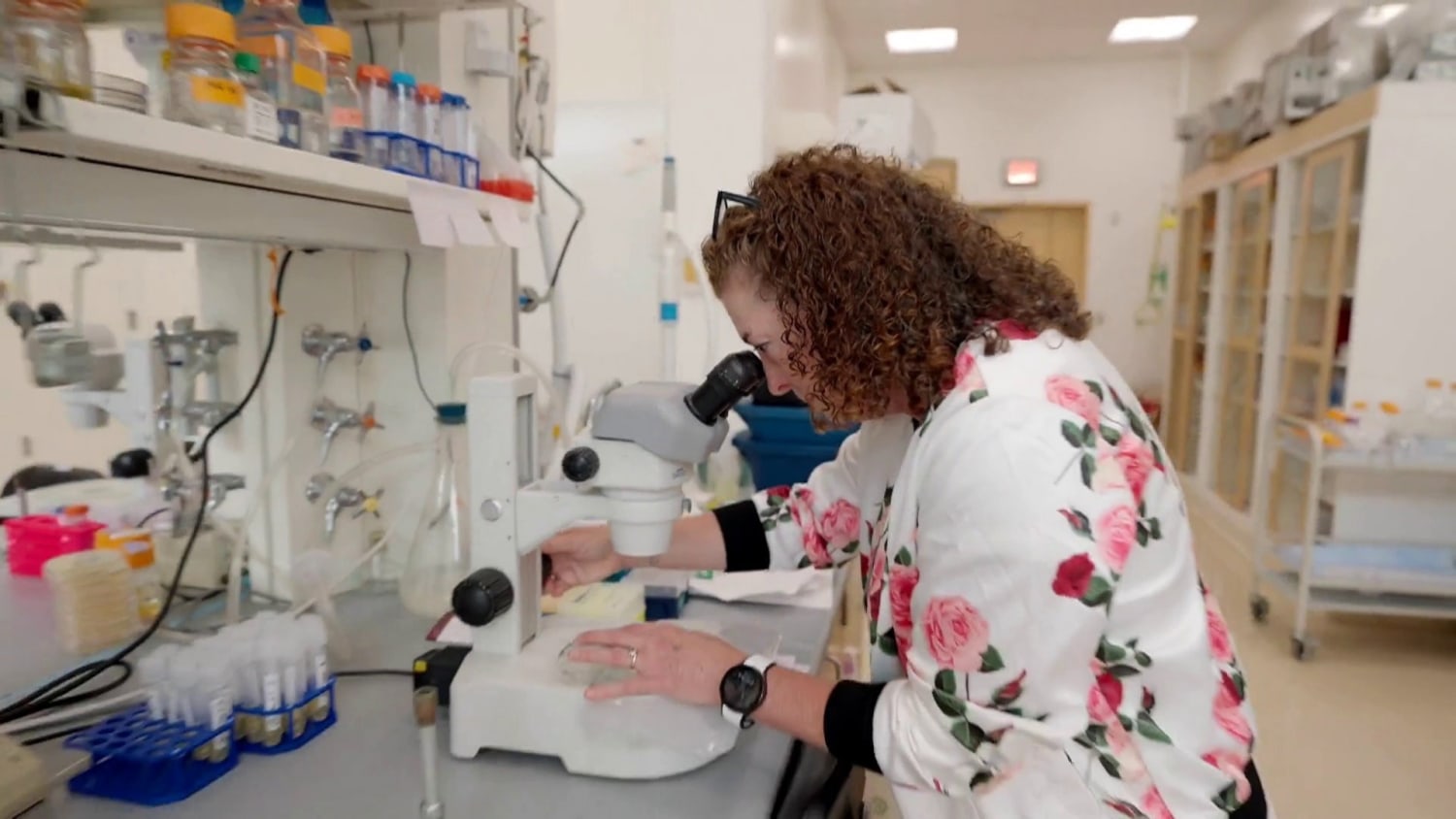
The research, executed through a blend of sophisticated biomarker examination and extended health records, assessed numerous individuals from varying age brackets. By observing alterations in blood composition, metabolism, protein function, and additional physiological metrics, researchers managed to pinpoint intervals where biological decline seemed to increase significantly. Contrary to a completely uniform decrease over years, the results suggest that our bodies might experience distinct shifts that hasten the manifestations of aging.
This turning point does not necessarily represent an exact year that applies to everyone—genetics, lifestyle, environment, and preexisting health conditions all influence the timing. However, the research points toward a general age range in adulthood when these changes become more pronounced. For many individuals, this period may involve more frequent illnesses, slower recovery from physical strain, increased stiffness in joints, gradual muscle loss, and subtle cognitive changes.
Researchers think that these fast-paced stages might be associated with accumulated damage to cells and the progressive deterioration of systems in charge of repair and renewal. Gradually, the body’s capability to manage oxidative stress, preserve protein balance, and regulate inflammation diminishes in effectiveness. As these mechanisms weaken, the likelihood of ongoing health conditions like heart disease, type 2 diabetes, osteoporosis, and specific neurological disorders increases.
Curiously, the research also revealed that lifestyle decisions taken many years prior could impact these pivotal moments. Choices related to nutrition, exercise routines, quality of sleep, and stress relief seem to significantly affect the rate at which an individual encounters this phase of rapid aging. Those with enduring healthy practices, such as following a nutrient-dense and well-rounded diet, staying active consistently, and steering clear of detrimental habits like smoking, generally faced a more gradual advancement toward the noted biological transition.
This reinforces the growing body of evidence suggesting that while aging is inevitable, its pace and impact can be shaped by daily decisions. For example, consistent cardiovascular exercise improves circulation, supports muscle maintenance, and helps regulate metabolic function—all of which may delay the onset of rapid decline. Similarly, diets emphasizing whole foods, antioxidants, and healthy fats can help protect cells from damage and reduce inflammation, both key factors in slowing the aging process.
The psychological and emotional factors of growing older were also highlighted as crucial elements in the research. Individuals who kept robust social ties, participated in activities that challenged the mind, and employed methods to reduce stress seemed more capable of maintaining cognitive well-being. This is consistent with previous studies connecting social interaction and mental stimulation to a reduced likelihood of developing dementia and depression in later years.
Another notable takeaway from the findings is the potential for early intervention. By identifying the biological markers associated with accelerated aging, medical professionals could, in theory, detect when a person is approaching this turning point and recommend targeted preventive measures. This could include more frequent health screenings, personalized nutrition plans, strength-training programs, or stress management strategies designed to protect vulnerable systems before significant decline sets in.
The idea of accelerated aging during middle age also brings up considerations for workforce planning, healthcare expenses, and strategies for public health. If specific age groups tend to experience faster physiological transformations, policymakers might have to revise preventive healthcare recommendations, retirement strategies, and management of chronic illnesses. Furthermore, companies could gain by recognizing these trends to enhance support for employee health and efficiency as they grow older.
Although this research has sparked interest, specialists advise that the aging process varies widely among individuals. There is a significant amount of personal variability, and despite the observed patterns, certain individuals might experience faster deterioration sooner or later compared to others. The investigators stress the necessity for additional research to enhance the accuracy of age assessments and to investigate how these biological milestones may vary among groups with different genetic compositions and lifestyles.
In the broader context, the findings add to a growing awareness that aging is not just about the passage of time—it is deeply intertwined with cellular and molecular changes that can be measured, monitored, and, in some cases, influenced. Advances in biotechnology, precision medicine, and longevity research could eventually help people better navigate these shifts, optimizing health well into later decades of life.
This study underscores the significance of focusing on personal health well ahead of when aging signs appear. By consciously selecting lifestyle habits and being proactive with healthcare, individuals can potentially not only increase their longevity but also maintain a good quality of life during the period when the body is more susceptible to decline. Although halting time is impossible, recognizing when it accelerates can enable people to brace for future challenges with enhanced strength and energy.