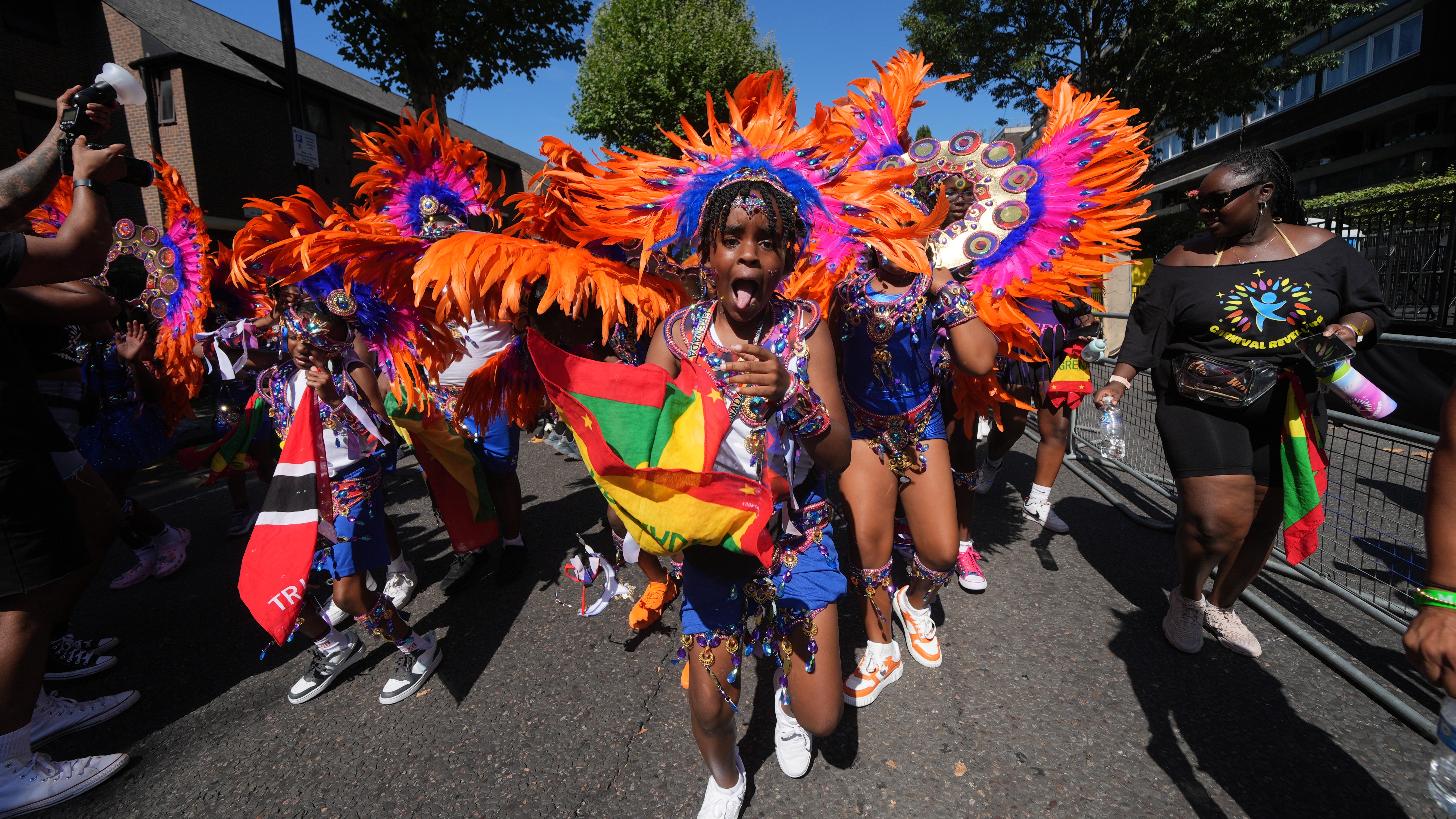

The Notting Hill Carnival returned this year with all the vibrant energy and colorful spectacle that has made it one of the largest street festivals in Europe. Thousands of revellers flocked to the streets of west London to experience the music, dance, and cultural richness that define this iconic event. With sunny weather providing a perfect backdrop, the atmosphere was electric, filled with the sounds of steel drums, soca beats, and pulsating rhythms that invite everyone to join the celebration.
Dating back to the 1960s, the Notting Hill Carnival began as a celebration of Caribbean culture, offering a space for immigrant communities to share their traditions, music, and cuisine. Over the decades, it has grown into a festival that draws diverse audiences from across the United Kingdom and beyond, becoming a symbol of cultural fusion and community spirit. Each year, the carnival showcases a kaleidoscope of costumes, parades, and performances, celebrating not only Caribbean heritage but also the multicultural fabric of London itself.
The roads were full of detailed floats embellished with plumes, sparkle, and bright textiles. Participants in masks moved vigorously along the parade paths, executing coordinated dances and engaging with the spectators. The carnival is famous for its inclusive atmosphere, inviting people of all ages and backgrounds to fully join in the merriment. From spontaneous dance competitions to live music platforms, there was an abundance of opportunities to revel in the event.
Food was also a significant focus, as vendors provided a variety of both Caribbean and global dishes. Dishes such as spicy jerk chicken, curried goat, plantains, and desserts like rum cake and coconut drops showcased the Caribbean islands’ culinary heritage, giving attendees the chance to experience genuine tastes while exploring the lively streets. The blend of music, dance, and food offers a multisensory experience that embodies the spirit of the festival and the communities it portrays.
Security and safety measures were visibly reinforced this year, ensuring that attendees could enjoy the festivities with peace of mind. The local police and community volunteers coordinated efforts to manage crowds and maintain a safe environment, reflecting the importance of preserving the carnival’s spirit while accommodating tens of thousands of visitors. Despite the scale, the event retained a welcoming and joyous atmosphere, demonstrating the effective organization behind one of London’s most celebrated cultural landmarks.
Live performances were a highlight of the weekend, featuring both emerging artists and established names in soca, calypso, reggae, and other Caribbean music genres. The sound of steelpan orchestras reverberated through the streets, accompanied by DJs mixing contemporary beats with traditional rhythms. The music not only entertained but also served as a cultural bridge, connecting audiences with the rich history and heritage of the Caribbean diaspora.
Participation from the community is central to the essence of the Notting Hill Carnival. Local associations and cultural collectives play a key role in organizing and carrying out the event, guaranteeing that the festivities embody the principles and heritage of the communities they celebrate. Throughout the year, workshops, practice sessions, and planning gatherings occur, promoting joint efforts and imparting wisdom to the youth, who are motivated to join in as both performers and coordinators.
The event acts as a stage for artistic expression and social critique. Numerous floats and acts include topics that tackle present-day challenges, ranging from environmental consciousness to social equity. This blend of amusement and activism highlights the festival’s function not just as an occasion of festivity but also as a space for discussion and introspection within the community.
For numerous participants, the Notting Hill Carnival is more than just a festive occasion—it represents an immersion into a shared experience of unity, happiness, and cultural pride. Residents, travelers, and visiting families gather to revel in an environment that marries age-old customs with contemporary flair, creating lasting impressions well beyond the parade’s conclusion. The bright sunshine further enhanced the lively atmosphere, emphasizing the array of colors, dances, and music that characterize this yearly celebration.
As the festival comes to an end, those involved take a moment to consider the group effort necessary to enliven the streets. Behind the curtain, numerous hours devoted to planning, creating outfits, and managing logistics guarantee that the event proceeds without issues and stays authentic to its heritage. Annually, the occasion solidifies its role as a key event on London’s cultural schedule, attracting worldwide interest and encouraging equivalent festivals globally.
The Notting Hill Carnival remains a testament to the enduring power of music, dance, and community spirit. Its streets continue to tell stories of heritage, resilience, and creativity, inviting every visitor to be part of a living, breathing cultural experience. With thousands already planning for next year, the festival shows no signs of losing its charm, proving that the legacy of this iconic celebration will continue to shine brightly for generations to come.