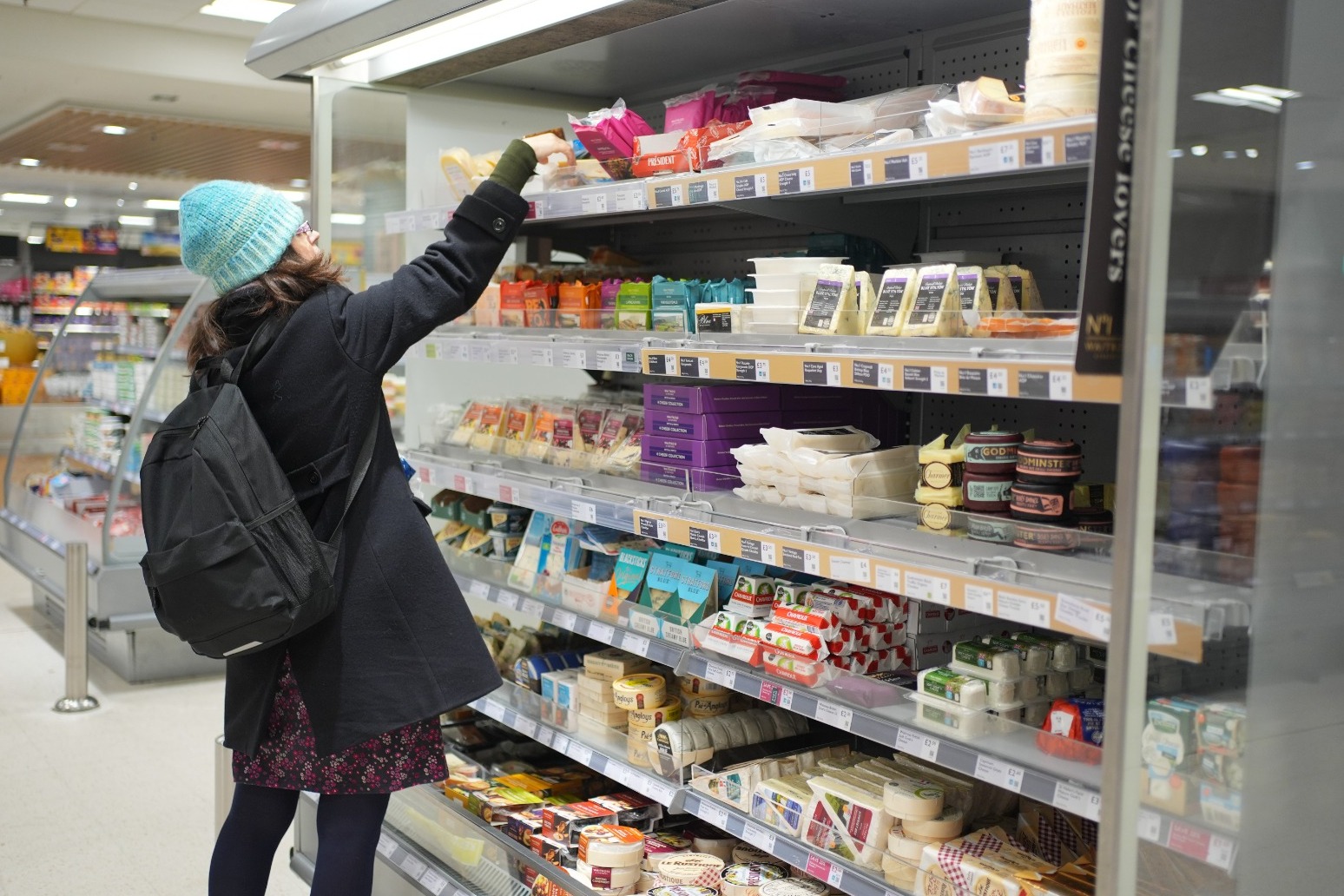

Consumer spending saw an unexpected boost last month, with retail sales rising more sharply than analysts had projected. This uptick signals renewed momentum in the retail sector, offering cautious optimism for the broader economy amid ongoing concerns about inflation, interest rates, and shifting consumer behaviors.
According to data that has just been made available, there was significant growth in sales across various retail sectors. From apparel and tech gadgets to groceries and home renovations, stores experienced increased in-store visits and stronger online demand than initially predicted. Economists had expected only a slight rise, due to factors like increasing costs and economic instability, yet shoppers seemed eager to spend more than many had expected.
One of the driving forces behind this surge was likely seasonal shopping. The combination of summer sales events, back-to-school preparations, and travel-related purchases contributed to increased spending. Department stores, sporting goods retailers, and restaurants all recorded gains, suggesting that consumer confidence remained relatively stable despite external pressures.
E-commerce also played a pivotal role in last month’s retail performance. Online platforms continued to capture a significant share of consumer purchases, benefiting from ongoing shifts in shopping habits that began during the pandemic. Several large retailers reported better-than-expected quarterly results, attributing part of their success to improved digital infrastructure, targeted promotions, and streamlined logistics.
This improved performance in retail has consequences for both investors and policymakers. For one, the information might show that consumers still possess the ability to spend, potentially supporting the economy’s continued growth. However, it could also present challenges for the Federal Reserve, which has been observing consumer habits carefully as it considers additional measures to manage inflation.
In the event that demand stays strong, it might make it more challenging to steady prices, especially if supply chains have difficulty keeping up. Although inflation has eased off its peak, it is still higher than the Fed’s goal, leading to continuous discussions regarding when and whether further interest rate changes are needed. A thriving retail sector might increase the push to tighten monetary policy sooner rather than later.
Still, not all segments of the retail market benefited equally. While discretionary categories saw gains, some essential goods—including groceries and fuel—showed more modest growth or even slight declines in volume, suggesting that consumers may be shifting their priorities or adjusting to higher baseline prices. This nuanced spending pattern reflects a balancing act for many households, managing both non-essential indulgences and rising costs of necessities.
Another factor contributing to the increase in sales could be the ongoing strength of the labor market. With unemployment rates remaining low and wages gradually climbing, many consumers appear more confident in their financial footing. That said, wage growth has not necessarily kept pace with inflation in every sector, and savings accumulated during the pandemic are beginning to dwindle for some households.
Retailers have recently adopted a more calculated approach, adjusting offers and modifying stock to align with changing consumer needs. Numerous firms have embraced adaptable pricing tactics, focused on loyalty initiatives, and launched temporary deals to boost expenditure. These strategies seem to be effective, as customer interest seems to be increasing, particularly in industries that prioritize experience and customization.
Looking forward, it is uncertain if this rise in consumer sales will continue in the upcoming months. The holiday period, usually a significant source of retail income, is still a few months away, and shoppers’ attitudes might change due to economic signals, worldwide occurrences, or modifications in fiscal strategies. Moreover, elements like the restart of student loan payments, increasing credit card balances, and the challenge of home-buying costs could start to have a more significant impact on purchasing behaviors.
Market analysts are keeping a close eye on consumer credit data as well. Recent reports show a steady rise in the use of revolving credit, indicating that some households may be relying more heavily on debt to maintain current spending levels. While this can temporarily support retail sales, it raises concerns about long-term financial stability if economic conditions deteriorate.
From the viewpoint of the sector, the robust retail outcomes present a chance. Companies capable of swiftly adjusting, handling stock effectively, and consistently introducing new ideas in both brick-and-mortar and online retail environments have a better chance to endure future uncertainties. Smaller merchants, especially, might gain from agile methods and targeted marketing, while larger networks need to keep enhancing their multi-platform approaches.
The retail sector’s better-than-expected results last month suggest that consumers remain active participants in the economy, despite lingering economic headwinds. This resilience provides a measure of reassurance, but it also underscores the complex landscape that retailers, policymakers, and consumers must navigate. As spending patterns evolve and the economic environment shifts, the retail industry’s adaptability will remain a key factor in sustaining growth.