
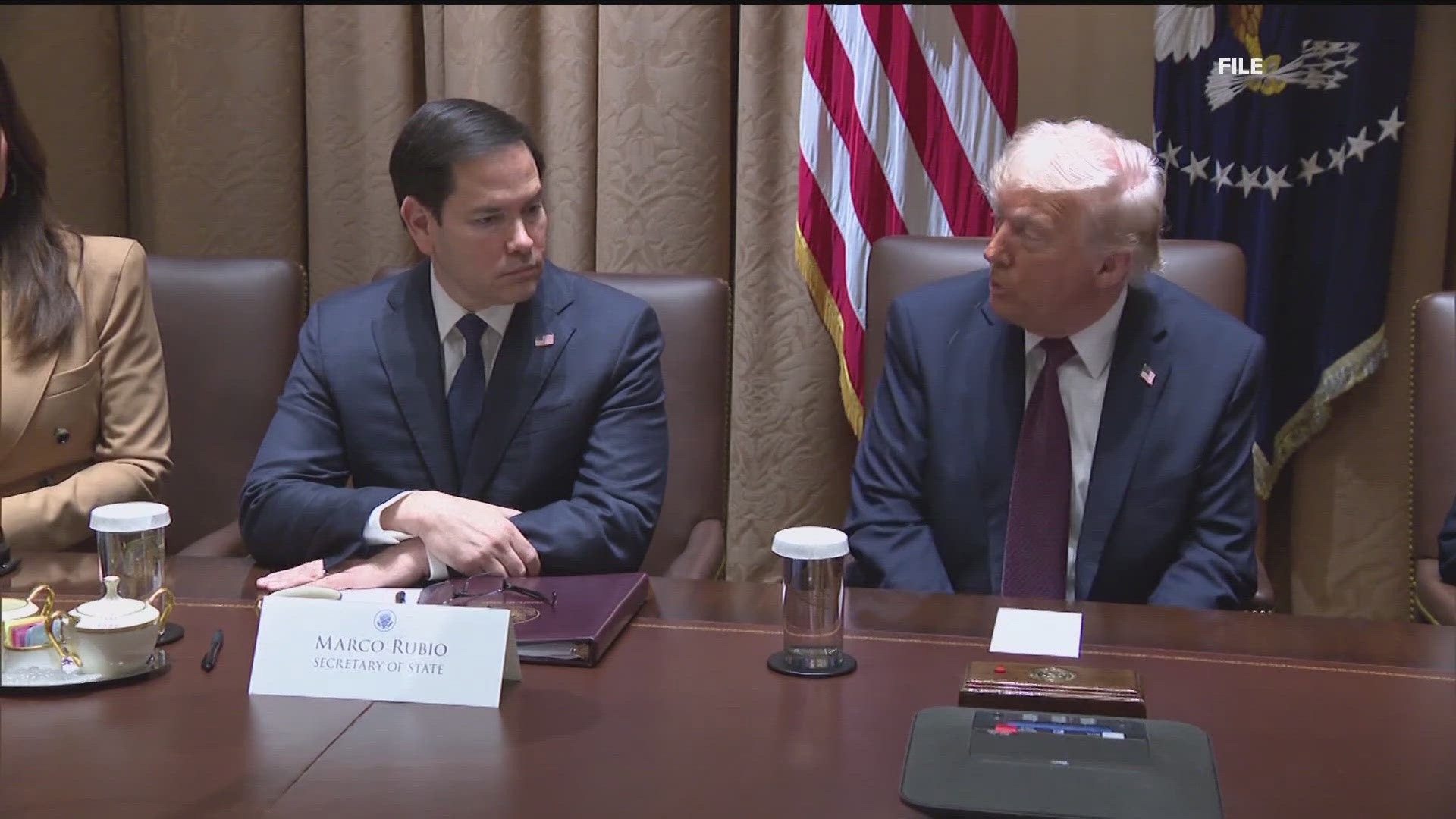

The U.S. State Department is set to carry out one of the most extensive workforce reductions in its recent history, with plans to dismiss more than 1,300 staff members this Friday. This sweeping action, which affects a considerable segment of the Department’s workforce, underscores ongoing challenges related to budget constraints, administrative restructuring, and shifting foreign policy priorities.
According to officials familiar with the decision, the cuts are part of a broader plan aimed at streamlining operations and reallocating resources to meet current diplomatic and security demands. While some of the affected positions involve temporary or contract roles, a substantial number are permanent staff, including foreign service officers, administrative personnel, and policy specialists who have served the Department for years.
The forthcoming job cuts highlight mounting pressure within the administration to adjust to new global geopolitical landscapes while also tackling budgetary issues. With escalating demands on U.S. foreign policy—from handling continuous conflicts with significant world powers to reacting to humanitarian emergencies—the State Department is reshaping its personnel to concentrate on strategic objectives. However, the decrease raises worries about the Department’s ability to carry out its broad roles in diplomacy, global development, and national security.
Current and former State Department employees have expressed alarm over the scope and speed of the layoffs. Many argue that such a large-scale dismissal could undermine institutional knowledge, disrupt ongoing diplomatic initiatives, and weaken the country’s ability to respond effectively to international developments. Others fear that the loss of seasoned personnel could damage morale and hinder recruitment efforts for future diplomatic talent.
The moment chosen for these reductions is noteworthy, as the State Department is currently dealing with various critical international situations, such as intricate discussions, rising security dangers, and worldwide health challenges. Cutting down on personnel at this time might make it harder for the United States to sustain its leading position in global matters.
The decision arrives during continuous talks in Washington regarding government expenditure and the role of the national workforce. As political figures stress efficiency and cost management, numerous agencies, such as the State Department, have been urged to reassess their staffing numbers and explore possible downsizing. Some perceive these reductions as a component of a broader movement towards transforming the operations of government agencies in a fast-evolving environment.
Despite reassurances from leadership that essential functions will be maintained, critics warn that the loss of over 1,300 employees may strain remaining staff and compromise critical areas of diplomacy. Many of the affected individuals have specialized skills in regional affairs, languages, crisis management, and policy analysis—skills that are not easily replaced or quickly developed.
The decision has also sparked concern among foreign governments and international partners who rely on the U.S. for diplomatic engagement, development aid, and leadership on global challenges. Diplomatic missions, particularly in regions experiencing instability, may find themselves with fewer resources and personnel to manage delicate negotiations or provide support for American citizens abroad.
While some of the cuts will affect domestic positions at headquarters in Washington, D.C., others will impact U.S. embassies and consulates around the world. This global reach of the layoffs could create gaps in representation and coordination, particularly in countries where the U.S. plays a central role in conflict resolution, economic development, and strategic partnerships.
State Department representatives have stressed that the choice was made with careful consideration. They assert that the restructuring is essential to update the institution and concentrate diplomatic endeavors on the most critical areas. A high-ranking official highlighted that developments in technology, changing diplomatic challenges, and emerging security threats demand an alternative organizational strategy, which the existing staffing framework does not entirely accommodate.
However, several individuals in the Department continue to have doubts. A number of employees have voiced their apprehension that the reductions focus more on short-term financial savings than on sustainable strategies. Additionally, some are anxious that the depletion of institutional knowledge might weaken the Department’s capability for many years, especially if upcoming challenges necessitate quick, informed actions.
The human impact of the layoffs cannot be overlooked. Many of those affected have dedicated their careers to public service, often working in challenging environments far from home. The suddenness of the decision, with dismissals taking place on a single day, has added to the emotional toll on staff and their families. Support services, including counseling and career transition resources, have been offered, but the abrupt nature of the layoffs has left many reeling.
The broader implications of this workforce reduction also extend to America’s standing on the world stage. Diplomacy has long been a cornerstone of U.S. influence, allowing the country to shape international outcomes through negotiation, alliance-building, and soft power. Weakening the institutional foundation of the State Department could limit America’s ability to project leadership, particularly in an era of increasing global competition.
Lawmakers from both major political parties have responded to the news with mixed reactions. Some have defended the decision as necessary fiscal discipline, while others have called for a reassessment, arguing that diplomacy should not bear the brunt of budget cuts, especially given the complex array of international challenges the U.S. faces.
There are additional worries that the staff reductions might disproportionately impact diversity and inclusion initiatives within the State Department. Over the past few years, the Department has advanced in fostering a workforce that mirrors the diversity present among the American populace. Cutting down personnel without meticulous attention could jeopardize achievements made in this area and affect representation in crucial diplomatic roles.
The question of whether this workforce reduction is a temporary measure or part of a longer-term shift remains open. Some observers suggest that if the cuts prove successful in meeting budget goals without significant disruptions, other federal agencies might follow suit. Others warn that any short-term savings could be outweighed by longer-term costs, particularly if diminished diplomatic capacity leads to greater reliance on military solutions or missed opportunities for conflict prevention.
In the upcoming weeks, attention will turn to how the State Department handles the transition. Leaders must tackle not only operational issues but also the morale and trust of the remaining employees. Open communication, strategic distribution of resources, and ongoing investment in vital diplomatic activities will be crucial to steer through this difficult time.
As the world becomes increasingly interconnected, the role of diplomacy in safeguarding national security, promoting economic stability, and fostering international cooperation has never been more vital. The outcome of this significant workforce reduction will likely serve as a bellwether for how the U.S. balances fiscal constraints with its global responsibilities in the years to come.
While Friday’s layoffs mark a turning point for the State Department, the broader story of American diplomacy continues. How the Department adapts to these changes, maintains its global presence, and continues to support peace, stability, and prosperity will shape not only its own future but also the role of the United States in an ever-evolving international landscape.
