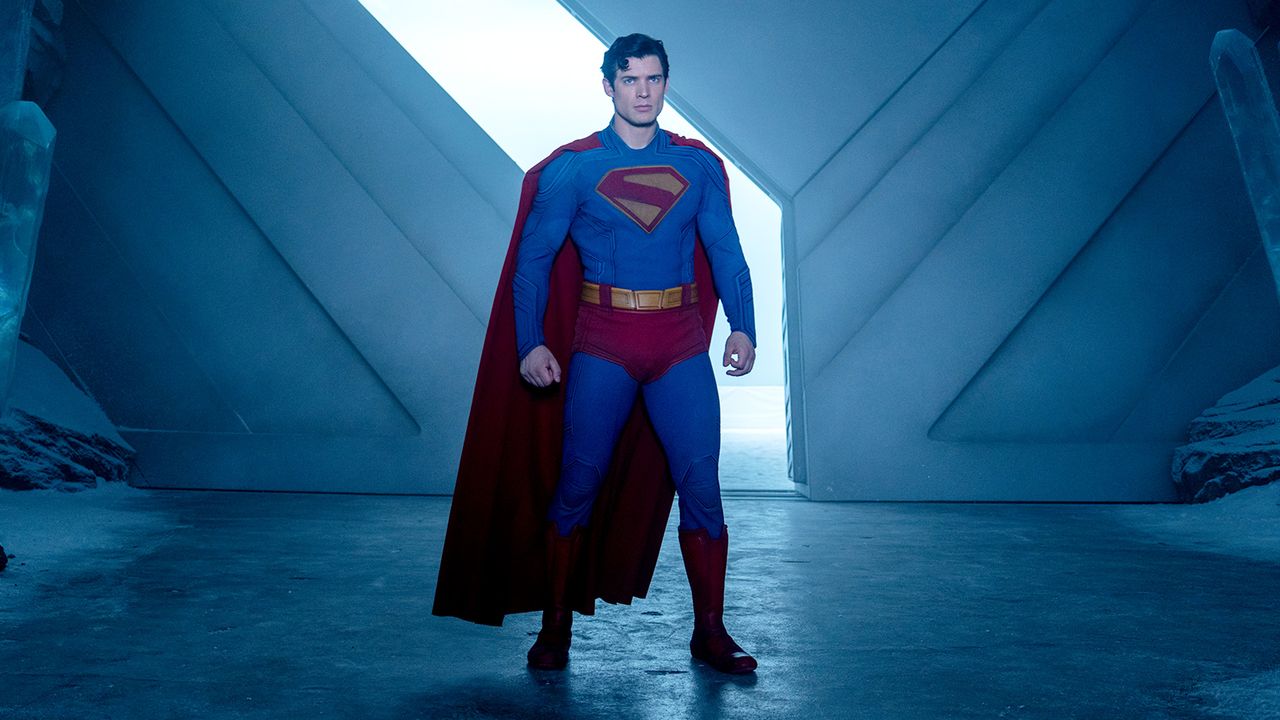

Superman’s latest cinematic adventure takes a bold but uneven step into the future of DC’s superhero universe, blending eccentric humor with high-stakes action in a film that feels both overstuffed and insubstantial. With David Corenswet stepping into the iconic role, the new film offers comic book fans a whirlwind of nostalgic references and outlandish sci-fi flourishes, though it risks alienating wider audiences with its frenzied pacing and lack of emotional grounding.
The movie signifies the launch of DC’s bold new film universe after the end of its earlier version, which struggled with several disappointing films in 2023. Directed by James Gunn, recognized for his contributions to Marvel’s Guardians of the Galaxy and DC’s The Suicide Squad, this fresh installment strives to transform the superhero category within the DC brand. Instead of carefully setting the stage for upcoming narratives, Gunn dives directly into the excitement, offering a show that resembles the progression of an existing series rather than the start of a fresh phase.
From the outset, viewers are thrust into a world where Superman has already become a familiar figure, protecting Metropolis for several years. He is romantically involved with the determined Lois Lane, portrayed by Rachel Brosnahan, and faces opposition from the villainous Lex Luthor, played with cold intensity by Nicholas Hoult. Interestingly, the film introduces several lesser-known superheroes alongside Superman, including Green Lantern, Mr. Terrific, and Hawkgirl, who form a morally ambiguous Justice Gang that both aids and complicates his mission.
This approach to skip the well-trodden origin story offers a refreshing change of pace. Audiences are spared the familiar tale of Krypton and Smallville, diving directly into the dynamic world of metahumans and epic battles. The inclusion of offbeat elements such as Krypto the Superdog and a team of robotic Superman helpers adds a whimsical touch rarely seen in previous adaptations of the character. These playful additions evoke a sense of comic book authenticity, appealing to longtime fans eager for a break from the somber tone of earlier films.
Nonetheless, this distinctly unusual vision brings its own set of challenges. Gunn’s choice to fill the story with a bewildering assortment of ideas—duplicates, parallel worlds, strange beings, and societal observations—results in an experience that appears chaotic and lacking direction. The movie rushes through important story elements without allowing much space for character depth or emotional connection. Significant happenings like city-wide devastation and cross-dimensional journeys occur so swiftly that they reduce their possible effect, leaving viewers with brief impressions instead of enduring memories.
Although the visual effects are intricate, they add to the movie’s transient nature. The action is akin to a premium video game, featuring chaotic and destructive scenes that seem removed from real life. Even with references to the magnificence of Richard Donner’s 1978 Superman, like John Williams’ legendary score, the film finds it challenging to inspire comparable wonder. Ultimately, it presents a spectacle that captivates briefly but lacks the emotional depth needed for the audience to genuinely engage with the storyline.
At the heart of this new Superman is David Corenswet, whose casting brings a classic, wholesome charm to both Superman and his alter ego, Clark Kent. Yet the screenplay gives him little opportunity to showcase the character’s legendary goodness and compassion. Instead, the portrayal leans toward impulsiveness, with the Man of Steel often displaying frustration and volatility, particularly in interactions with Lois Lane. This choice undercuts the character’s traditional role as an unwavering beacon of hope and moral clarity, making it difficult for audiences to connect with him on a deeper level.
The movie’s brisk tempo and focus on quirks imply an imaginative direction led by excess rather than meticulous narrative crafting. Gunn seems to have taken on the project with an aim to fit in as much content as possible into one movie, perhaps fearing the chance might be fleeting. The outcome is a lopsided blend of creative comedy and shallow display that could entertain comic book fans but might not engage general audiences.
While the film’s ambition and playful tone are commendable, the lack of narrative cohesion and emotional depth hampers its effectiveness as the cornerstone of a new cinematic universe. The inclusion of whimsical elements, while entertaining, feels insufficient to carry the weight of the film’s larger thematic aspirations. The absence of quieter moments to explore Superman’s humanity and the moral dilemmas of his role further diminishes the story’s impact.
In the end, this iteration of Superman serves as both a bold experiment and a missed opportunity. It introduces a visually inventive and humor-laden world that deviates from the grim seriousness of previous entries but falls short of creating a compelling, lasting impression. The film’s frenetic energy and crowded plotline may appeal to devoted fans of the comics, but its failure to establish a grounded, relatable Superman could hinder its resonance with broader audiences.
James Gunn’s distinct approach—eccentric, humorous, and boldly nerdy—is evident throughout the movie, presenting instances of real entertainment and unexpected twists. However, the lack of emotional investment and the nonstop speed lead to a movie experience that is amusing at the time but not memorable in the future. As DC undertakes this fresh cinematic path, there is hope that upcoming episodes will achieve a stronger harmony between visual grandeur and depth, guaranteeing that Superman not only remains a representation of strength but a protagonist with a significant narrative.