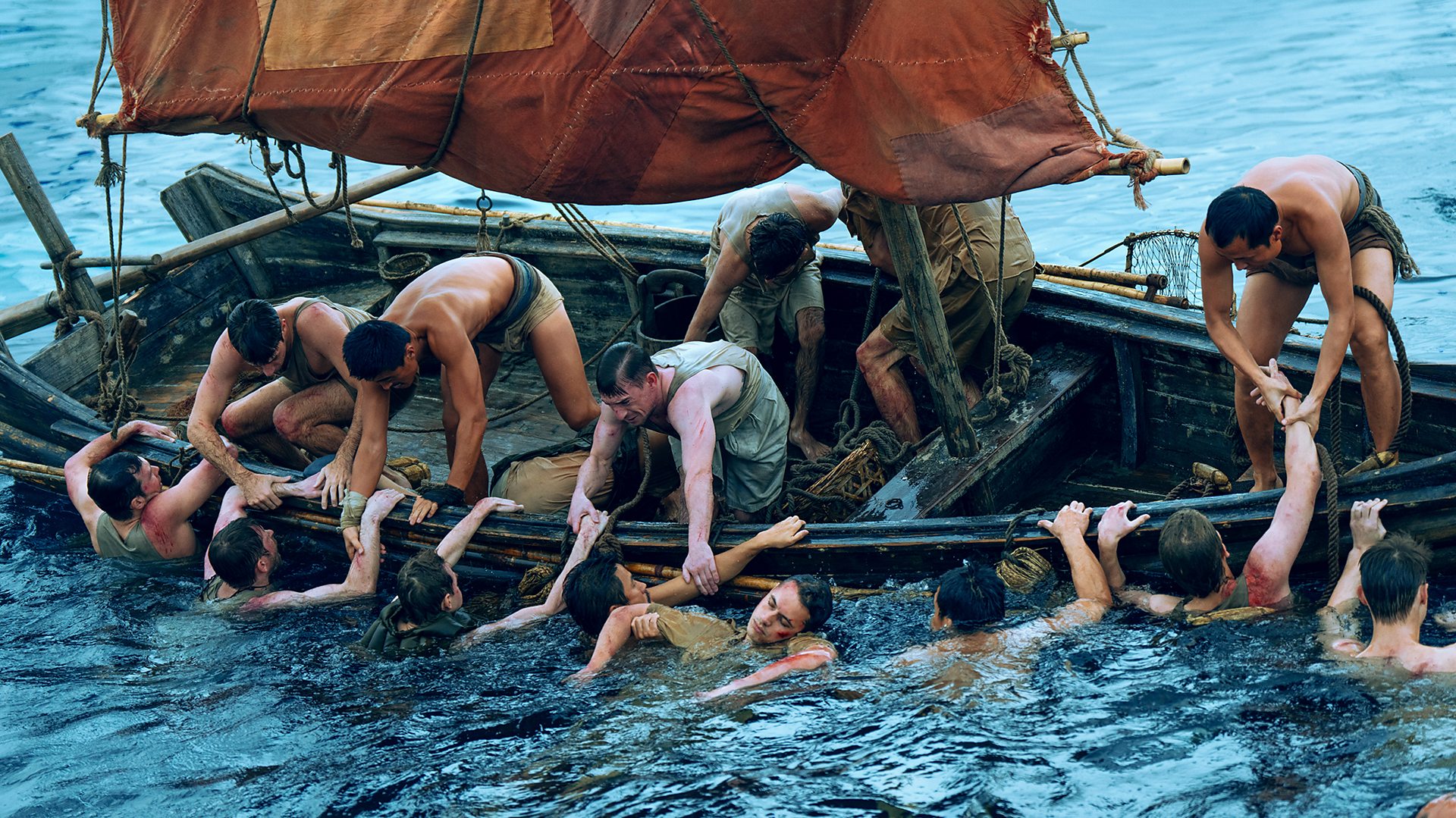

In the early 1930s, a group of settlers journeyed to a remote tropical island seeking an idyllic life far removed from the chaos of modern society. Their dream was to build a self-sufficient community, free from the constraints of conventional civilization—a place where nature, simplicity, and human resilience could coexist in harmony. To outsiders, the venture appeared bold and visionary, a daring attempt to create a utopia in the heart of an untouched landscape.
The island was a vision of splendor and plenty. Verdant landscapes, untouched shores, and transparent seas created a picturesque paradise. For those who arrived, it appeared to be the perfect retreat—a fresh opportunity to live according to their own desires, to escape from the financial instability and the political chaos affecting much of the world during the Great Depression. However, as time went on, this ideal began to collapse, unveiling the glaring disparity between aspirations and harsh reality.
What started as an adventure soon turned into a fight for survival. The settlers faced relentless challenges: isolation, unpredictable weather, disease, and a scarcity of resources. Building homes, growing food, and maintaining health in an unforgiving environment demanded more than enthusiasm; it required organization, cooperation, and resilience. Unfortunately, those qualities were in short supply.
The island, once seen as a haven, became a stage for conflict and tragedy. Reports later described a grim spiral of events marked by psychological breakdowns, violent confrontations, and even death. The very qualities that were supposed to make this society ideal—freedom, equality, and self-reliance—collapsed under the weight of greed, obsession, and fear.
Why was this vision such a complete failure? Scholars identify multiple reasons for this. To begin with, the tough conditions amplified each error. Lacking adequate strategies, farming failed, and food resources decreased, putting the community at risk. Additionally, the lack of definitive leadership led to an opening that those seeking power took advantage of swiftly. Rather than working together, rivalry prevailed. Ultimately, personal disagreements, fueled by solitude and desperation, sparked clashes resulting in aggression.
The calamity of this unsuccessful paradise serves as a warning about the intricacies of human behavior and the perils of pursuing idealistic projects without practical bases. The aspiration to break free from societal limitations frequently ignores an unsettling reality: individuals bring their shortcomings with them. A fresh environment, despite its perfection, cannot eliminate ambition, envy, or the desire for control.
Today, the story of this 1930s experiment serves as a haunting reminder that paradise is rarely as simple as it seems. Behind the beauty of the tropics lurked a dark reality—one where survival instincts and human frailty destroyed a dream before it ever had a chance to flourish.
Lo que queda es un legado de intriga y preguntas sin respuesta. ¿Era la caída algo inevitable o podría una planificación y gestión más robustas haber salvado a la comunidad? ¿Fueron estas personas víctimas de su entorno o de sus propios demonios internos? Las respuestas quizás nunca se conozcan por completo, pero su historia perdura como un relato de ambición que se convirtió en desesperación, donde la utopía se trasformó en una ilusión y la armonía se desintegró en caos.