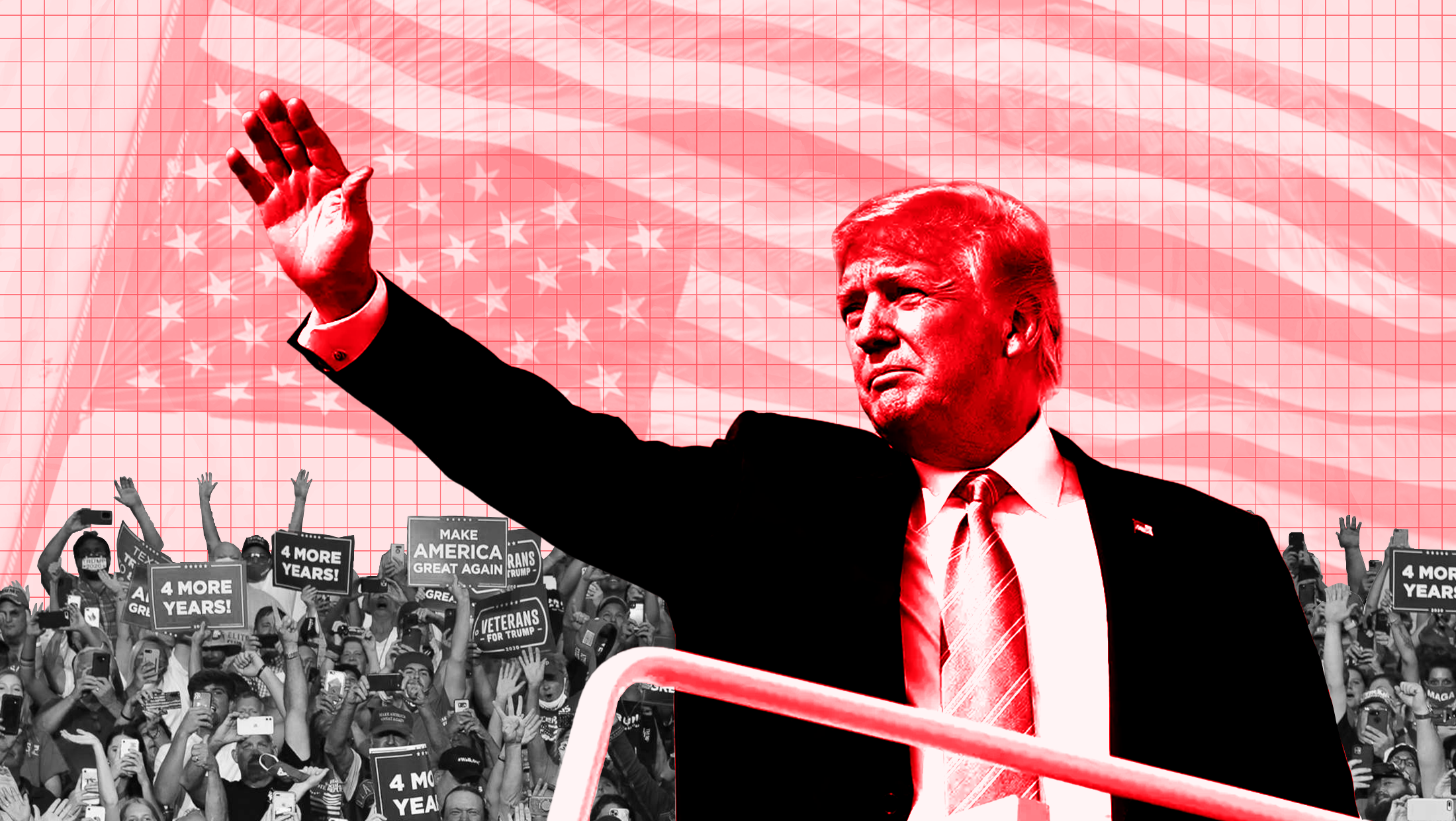

Changes in national policy brought about by the legislative measures of past President Donald Trump have reignited discussions on how these modifications might impact American laborers. These policies span various sectors, including taxation, manufacturing, healthcare, and trade, with widespread effects on job stability, incomes, benefits, and the overall economy.
Although some of these policies were initially designed to encourage growth and rejuvenate vital sectors, critics contend that the advantages have not been equitably shared, with some groups of workers experiencing restricted or varied results. Analyzing the impact of these extensive domestic reforms on the job landscape offers important insight into both the possibilities and obstacles confronting the American workforce today.
One of the key aspects of Trump’s national policy agenda was the Tax Cuts and Jobs Act (TCJA), passed in 2017. Publicized as a strategy to enhance corporate investment and promote job creation, this law substantially lowered corporate tax rates and offered temporary tax benefits for individuals. Supporters argued that decreasing the corporate tax rate from 35% to 21% would incentivize companies to reinvest in their businesses, resulting in new job opportunities and increased wages.
In the immediate future, various firms reported a rise in profits alongside a surge in expenditures on stock repurchases and shareholder dividends. Nevertheless, the anticipated impacts on salaries and the creation of jobs were not as significant as expected. Although unemployment numbers decreased throughout a considerable portion of Trump’s presidency, salary increases were fairly moderate, and a large part of the benefits seemed to favor investors more than the workforce.
Manufacturing, a key focus of Trump’s policy platform, was another area targeted for revitalization. Tariffs imposed on imports from countries such as China were designed to encourage domestic production and protect American industries from foreign competition. Although some sectors, including steel and aluminum, saw temporary boosts, the wider impact on manufacturing jobs was mixed.
Tariffs resulted in countermeasures from other countries, increasing expenses for U.S. manufacturers that depend on foreign parts. Consequently, certain sectors experienced greater unpredictability, supply chain interruptions, and elevated costs, which ultimately curtailed the beneficial impacts on job numbers within the manufacturing sector. In particular instances, smaller companies were especially burdened by these trade policies, finding it difficult to manage the rising costs.
Health policy was yet another sector targeted for major reforms by the Trump administration. While attempts to completely overturn the Affordable Care Act (ACA) did not succeed, important parts were modified, such as removing the penalty for the individual mandate. For workers in the United States, especially those in lower-paid positions or in sectors lacking robust employer-backed insurance, these alterations caused new difficulties.
Without the mandate, some individuals opted out of health insurance, leading to concerns about rising premiums for those who remained insured. Workers in small businesses or in part-time roles may have found it harder to access affordable healthcare, contributing to financial strain and health insecurity. While some employers benefited from reduced regulatory pressure, the human impact on workers highlighted the delicate balance between cost savings and social welfare.
Regarding labor laws, the Trump administration focused on reducing regulations to alleviate the compliance load for companies. This involved rolling back worker protection standards in fields such as job safety, wage and hour oversight, and rights related to collective bargaining. Although some enterprises welcomed these initiatives as a step to simplify operations and decrease expenses, labor supporters cautioned that diminished protections might expose employees to exploitation and hazardous situations.
The spotlight also focused on the gig economy during this time. As more people turned to app-driven jobs and freelance work, countless Americans discovered new ways to generate income. Nevertheless, these unconventional job setups frequently missed the security, benefits, and legal safeguards that full-time staff receive. Attempts to change employment classifications faced opposition, leaving many gig workers vulnerable regarding healthcare, retirement funds, and unemployment benefits.
Infrastructure investment was another key promise of Trump’s domestic policy agenda. While substantial infrastructure legislation was proposed, including ambitious plans to rebuild roads, bridges, and public utilities, much of the proposed funding did not materialize during his time in office. For American workers, particularly in the construction and engineering sectors, this represented a missed opportunity to create stable, well-paying jobs through government-funded projects.
Simultaneously, modifications in immigration policies imposed more stringent rules on both authorized and unauthorized immigration. These amendments influenced sectors depending on immigrant workforce, such as agriculture, hospitality, and healthcare assistance. Increased limitations on visas and their implementation resulted in labor gaps in various areas, influencing business activities and, in certain instances, escalating prices for consumers.
The COVID-19 pandemic occurred in the last year of Trump’s presidency, acting as a significant challenge for the U.S. workforce and its existing domestic policies. Emergency assistance measures, such as the CARES Act, offered direct monetary aid to employees and enterprises, briefly mitigating the economic impact. Jobless benefits were increased, stimulus payments were given out, and loans to small enterprises supported numerous employers in remaining viable.
However, the pandemic also exposed structural weaknesses in the labor market, including income inequality, lack of paid sick leave, and limited access to affordable healthcare—issues that predated the pandemic but were intensified by the crisis. Workers in low-wage, frontline positions faced heightened risks, and many women, particularly those with caregiving responsibilities, were disproportionately affected by job losses and reduced hours.
Looking forward, the impact of Trump’s domestic agenda on U.S. employees is expected to be seen in a mixed way. While some sectors gained from deregulation and advantageous tax policies, the lack of solutions for deep-rooted labor problems, along with temporary policy strategies, resulted in ongoing uncertainty for many workers.
Economic specialists highlight that although reducing taxes and easing regulations can foster a more favorable setting for businesses, lasting employment growth and the welfare of employees also demand funding in education, medical care, infrastructure, and social protection systems. The lack of thorough plans in these sectors has resulted in shortfalls that future administrations will need to tackle.
For employees, significant lessons from this era highlight the crucial role of flexibility in a shifting job market, the necessity for modernized worker rights in the gig sector, and the continuous significance of substantial public infrastructure funding. A key issue for decision-makers is to make sure that economic progress is fairly distributed among different income groups.
In conclusion, Trump’s domestic policy legacy is complex, with notable shifts that have both helped and hindered American workers in various ways. While some businesses experienced short-term boosts, the broader goal of delivering widespread economic prosperity and security for workers remains an unfinished task. As the U.S. continues to navigate economic uncertainty and labor market evolution, the lessons learned from this period will shape future policy decisions aimed at building a more inclusive and resilient workforce.