
Introduction: When Supply Chains Fail in Public
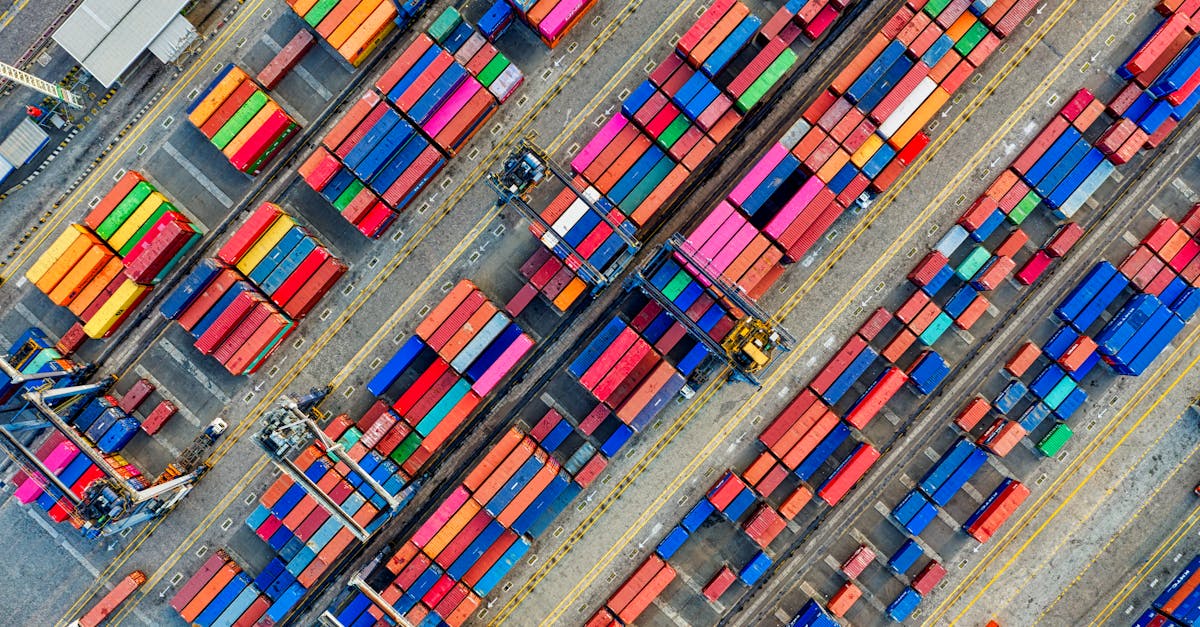
Modern supply chains span across continents, connecting raw material sourcing, manufacturing, shipping, retail, and the ultimate buyer into a tightly coordinated framework. Although this worldwide network fosters cost-effectiveness and affordability, it simultaneously generates exposure. Once safety measures break down, the fallout fails to stay confined within distribution centers or harbors—it makes its way to kitchen tables, medicine cabinets, and living rooms.
Below are 12 major supply chain scandals that penetrated the final stage of distribution, directly affecting consumers and reshaping regulation, corporate governance, and public trust.
1. The 2008 Chinese Milk Melamine Crisis
In 2008, infant formula and dairy products in China were found to be contaminated with melamine, an industrial chemical used in plastics. Suppliers added melamine to diluted milk to artificially inflate protein readings in quality tests.
- More than 300,000 babies were impacted.
- Six fatalities were formally documented.
- Goods were shipped abroad to various nations.
The scandal exposed severe weaknesses in supplier verification and testing protocols. It led to stricter food safety regulations in China and globally, but also highlighted how economic pressure within supply chains can incentivize dangerous fraud.
2. The 2013 European Horsemeat Scandal
Beef products sold in major European supermarkets were found to contain undeclared horsemeat. Brands involved included frozen food manufacturers and supermarket private labels.
The issue was not primarily food safety, but fraud and traceability failure. Complex multi-country supply chains allowed meat to pass through several intermediaries, masking origin. Consumers lost trust in labeling accuracy, and regulators strengthened traceability requirements across the European Union.
3. The 1982 Tylenol Cyanide Murders
Although primarily a criminal act, this case revealed vulnerabilities in retail-level supply chain security. Capsules were tampered with after distribution, resulting in seven deaths in the United States.
The incident led to:
- The introduction of tamper-evident packaging.
- Major reforms in product safety protocols.
- A permanent shift in pharmaceutical supply chain security standards.
It remains a defining case in crisis management and consumer protection.
4. The Rana Plaza Collapse (2013)
Over 1,100 apparel employees manufacturing garments for international labels lost their lives when the Rana Plaza factory complex in Bangladesh collapsed.
Although the tragedy happened upstream, those items had already made their way to Western buyers. The controversy brought to light abusive labor practices deeply rooted in apparel supply networks.
Brands faced global backlash, leading to:
- Increased factory audits.
- Supply chain transparency initiatives.
- The Bangladesh Accord on Fire and Building Safety.
Consumers became more aware of ethical sourcing and labor conditions.
5. The 2015 Volkswagen Emissions Scandal
Volkswagen installed software in diesel vehicles to manipulate emissions tests. Cars met regulatory standards during testing but emitted pollutants far above legal limits in real-world driving.
Around 11 million vehicles suffered the consequences worldwide. This controversy clearly illustrated the degree to which software manipulation within the automotive supply chain can directly mislead final buyers.
The firm forked out upwards of thirty billion dollars covering penalties, product recalls, and legal settlements.
6. The Peanut Corporation of America Salmonella Outbreak (2008–2009)
Contaminated peanut products caused one of the largest food recalls in United States history.
- Nine fatalities were connected to the outbreak.
- More than 700 individuals fell ill.
- Thousands of goods underwent a recall.
Investigations revealed that executives knowingly shipped contaminated products. The case underscored the importance of supplier audits, batch traceability, and preventive controls in food manufacturing.
7. The 2020 COVID-19 Personal Protective Equipment Shortages and Counterfeits
During the early stages of the pandemic, hospitals and consumers faced severe shortages of masks, gloves, and ventilators. Simultaneously, counterfeit and substandard products flooded markets.
Numerous buyers inadvertently acquired substandard protective gear via digital marketplaces. This emergency laid bare a heavy reliance on single-nation supply chains alongside insufficient vetting procedures for crisis-response vendors.
It sparked protracted debates regarding the resilience of supply chains and local manufacturing capabilities.
8. The Boeing 737 MAX Crisis
Two fatal crashes in 2018 and 2019 killed 346 people. Investigations revealed design flaws in the Maneuvering Characteristics Augmentation System and failures in oversight.
Although aircraft manufacturing involves multiple suppliers, the scandal demonstrated how systemic weaknesses in complex supply networks can reach passengers directly.
The worldwide grounding of the aircraft cost Boeing tens of billions of dollars, alongside severely harming public confidence.
9. The Takata Airbag Recall
Defective inflators caused Takata airbags to deploy with explosive force, leading to numerous injuries and fatalities.
- Over 100 million airbags were recalled worldwide.
- At least 28 deaths were linked to the defect.
Automakers depended heavily on a single supplier. The scandal illustrated the risk of supplier concentration and insufficient long-term quality monitoring.
10. The 2018 Romaine Lettuce E. coli Outbreaks
Repeated outbreaks of E. coli contamination in romaine lettuce led to nationwide warnings in the United States advising consumers to discard all romaine products.
Traceability challenges made it difficult to identify specific farms quickly. The agricultural supply chain’s complexity delayed targeted recalls, increasing consumer exposure.
This case accelerated the adoption of blockchain-based traceability pilots in food distribution.
11. The Samsung Galaxy Note 7 Battery Fires
Back in 2016, the lithium-ion batteries housed within the Galaxy Note 7 started to overheat and burst into flames. The root cause was eventually tracked back to manufacturing flaws and battery architecture issues originating from various suppliers.
Over 2.5 million devices were recalled globally. Airlines banned the device from flights. The incident demonstrated how rapid product launches and compressed supplier timelines can compromise quality control.
12. The 2022 Infant Formula Shortage in the United States
A major manufacturing plant shutdown following contamination concerns triggered a nationwide shortage of infant formula.
Structural weaknesses included:
- Market concentration among a few manufacturers.
- Limited import flexibility.
- Rigid regulatory frameworks.
Parents faced empty shelves for essential nutrition products. The shortage revealed how supply chain fragility in critical goods can create immediate consumer-level crises.
Common Patterns Behind Consumer-Level Scandals
Across these cases, recurring vulnerabilities emerge:
- Lack of traceability across multi-tier suppliers.
- Overreliance on single sources for critical components.
- Cost pressures incentivizing shortcuts.
- Weak regulatory oversight or enforcement gaps.
- Insufficient transparency between corporations and consumers.
Globalization has amplified efficiency while simultaneously increasing complexity. When transparency regarding lower-tier suppliers remains limited, minor disruptions can easily snowball into worldwide crises.
How These Scandals Reshaped Supply Chain Management
The cumulative impact of these events has driven structural change:
- Investment in digital traceability systems.
- Expansion of supplier audits and compliance monitoring.
- Growth of environmental, social, and governance reporting.
- Development of supply chain risk management frameworks.
- Increased consumer demand for transparency and ethical sourcing.
Technology currently takes center stage in early identification, predictive risk forecasting, and live monitoring. Nevertheless, tools and software by themselves fail to make up for weak administration or moral shortcomings.
The Consumer as the Final Checkpoint
Each controversy shows that supply chains don’t conclude at the distribution center or shop floor—they finish inside private homes. Whenever upstream monitoring breaks down, buyers turn into accidental auditors, frequently facing considerable personal danger.
The interconnected nature of global trade ensures that a breakdown in one facility, region, or supplier tier can ripple outward with extraordinary speed. Trust, once broken, requires years to rebuild and billions to restore. These scandals collectively reveal that resilience, transparency, and accountability are not optional enhancements to supply chain strategy—they are its foundation.