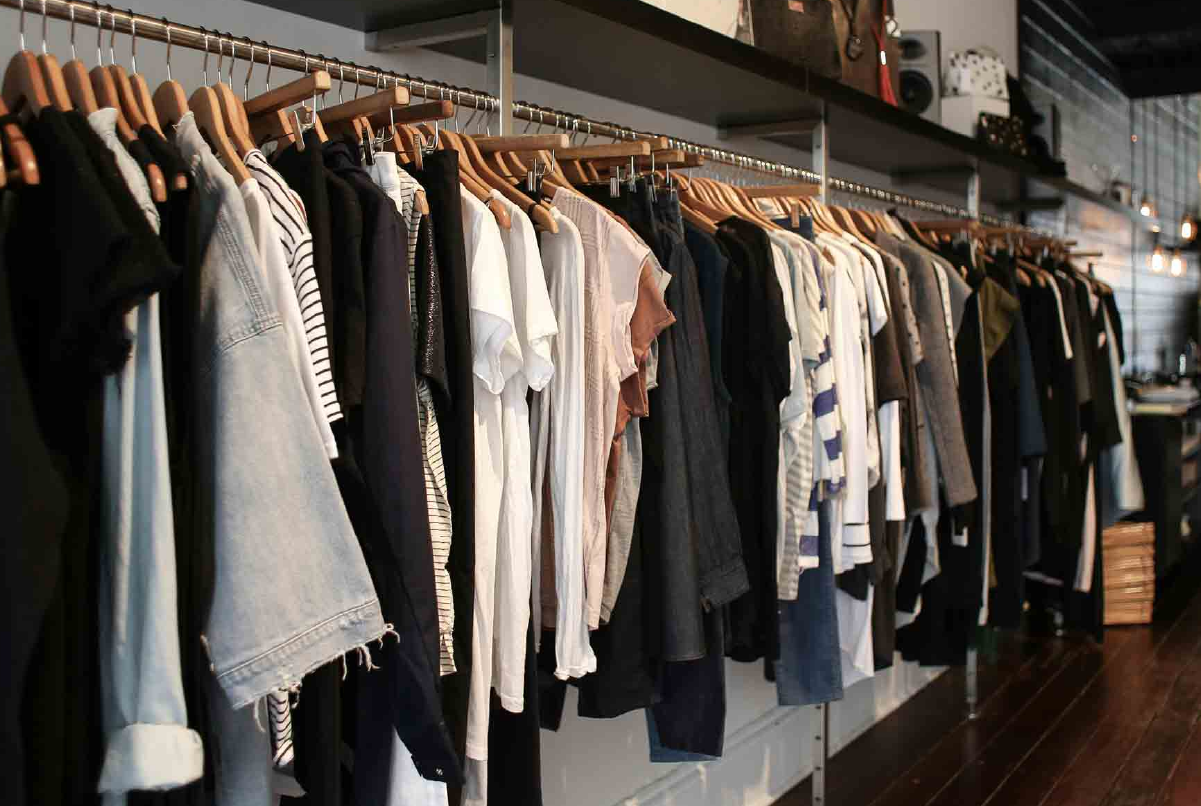

Digital fast fashion is an emerging trend in the fashion industry characterized by the rapid production and distribution of clothing, facilitated through digital technology and online platforms. Unlike traditional fashion cycles, which can take months or even years from concept to consumer, digital fast fashion often takes just a few weeks. This trend leverages digital tools, artificial intelligence, and seamless online retail experiences to meet consumer demands almost instantaneously.
The Emergence of Rapid Digital Fashion
Shifting consumer expectations in the digital era serve as a major catalyst for digital fast fashion. Thanks to the internet and social media, people can instantly tap into the newest styles and global trends. Platforms such as Instagram and TikTok accelerate these trends at remarkable speed, pushing fashion brands to react swiftly. This rapid pace compels brands to deliver and launch collections that mirror emerging trends almost in real time.
Companies like ASOS, Shein, and Boohoo exemplify the digital fast fashion model, utilizing sophisticated supply chain mechanisms and robust e-commerce strategies. They heavily rely on data analytics to predict trends, using algorithms to assess user engagement on social media and online platforms. This data-driven approach allows them to understand what consumers are gravitating towards, significantly reducing the time from design to sale and increasing their competitive edge.
Technological Advancements
Technologies such as 3D printing and virtual reality have propelled digital fast fashion forward. 3D printing allows for the rapid prototyping of designs, which can significantly cut production time and waste. Virtual reality provides an immersive shopping experience, enabling customers to try on clothes virtually before making a purchase. Additionally, AI-driven tools can streamline the design process by predicting fashion trends and automating the creation of new designs.
Moreover, blockchain technology is starting to be implemented to enhance transparency and traceability within the fashion supply chain. This can help address some ethical concerns associated with fast fashion, such as labor conditions and environmental impact, by providing a clearer picture of where and how garments are produced.
Moral and Ecological Effects
While digital fast fashion offers opportunities for innovation and responsiveness to consumer demands, it also raises ethical and environmental concerns. The speed of production often exacerbates issues such as labor exploitation and environmental degradation. Rapid production cycles can lead to overconsumption and increased waste, challenging efforts to promote sustainable fashion practices.
To combat these issues, some brands are prioritizing sustainability even within the fast fashion framework. They are adopting circular fashion principles by recycling materials and upcycling unsold inventory. Additionally, brands are increasingly transparent about their sourcing, production practices, and labor conditions, catering to the growing consumer demand for ethical fashion.
The Consumer’s Role
Consumers play a crucial role in shaping the future of digital fast fashion. As awareness around sustainability grows, many are actively seeking brands that align with their values. The rise of conscious consumerism encourages companies to rethink their strategies, promoting more sustainable practices and increasing their efforts in providing transparency about their supply chains.
Moreover, rising expectations for custom, carefully crafted shopping journeys have driven the growth of personalized fashion services. By applying AI and machine learning, these services deliver highly tailored suggestions that boost customer involvement and satisfaction while upholding strong ethical principles.
Digital fast fashion represents a fascinating intersection of technology, culture, and commerce. It adapts swiftly to changing fashion landscapes while posing numerous challenges, particularly regarding sustainability and ethics. As this sector continues to evolve, it will require a delicate balance between innovation and responsibility, driven by both industry pioneers and informed consumers who hold an influential stake in its future.