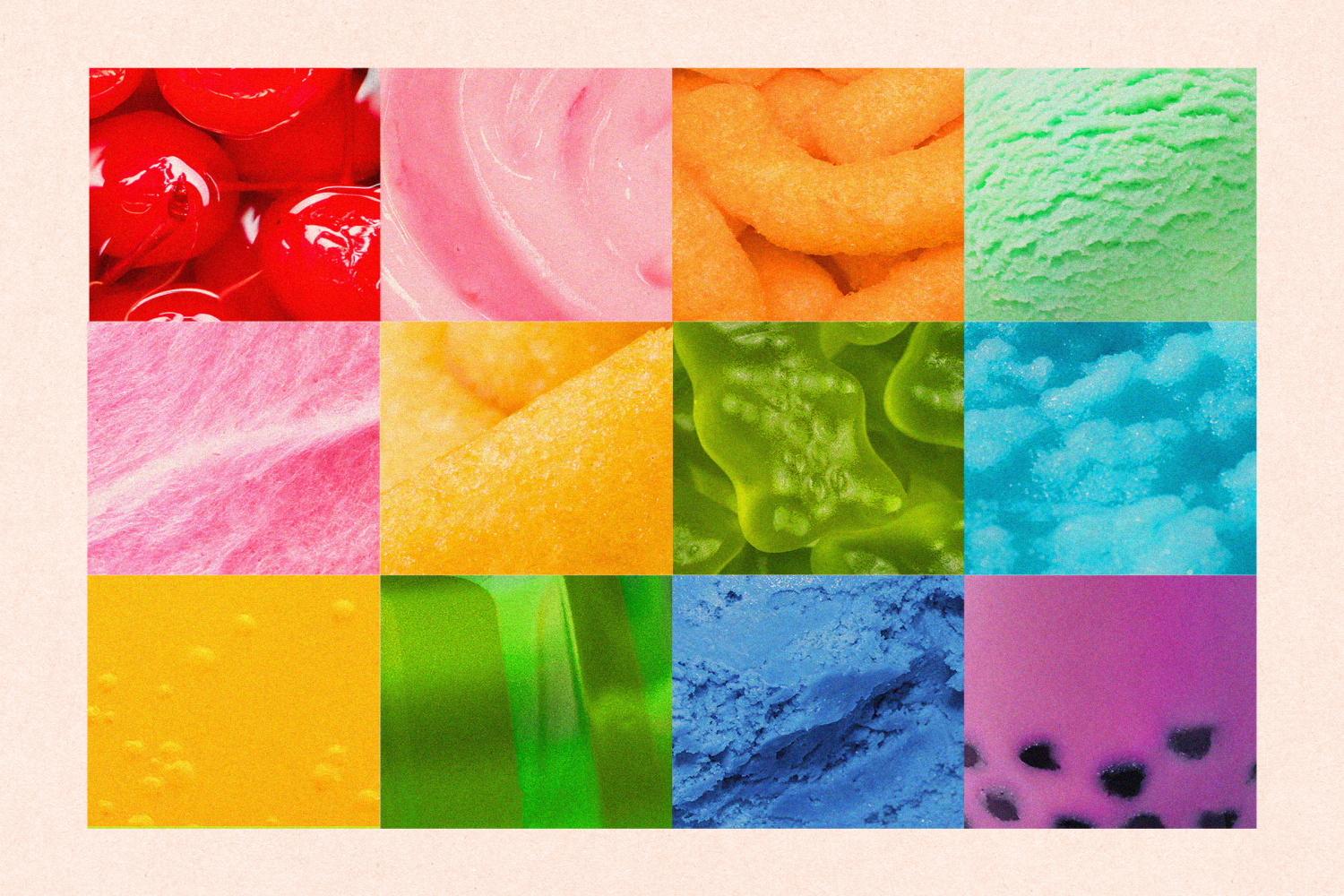

A candy manufacturer in Texas recently undertook a significant shift in its production process: moving from synthetic to natural colorants. While the decision aligned with growing consumer demand for more natural ingredients, the transition proved to be far from simple.
For many years, synthetic dyes have been commonly used in the candy sector because of their uniformity, bright colors, and cost-efficiency. Nevertheless, greater consciousness regarding food components has prompted numerous businesses to reevaluate the elements in their offerings. Consequently, this company located in Texas opted to make a change and revise its candies with colorings sourced from plants and minerals.
The objective was clear: remove synthetic dyes and substitute them with natural options sourced from fruits, vegetables, and other organic origins. Nonetheless, implementing this in practice demanded significant changes in sourcing, manufacturing, and even in packaging.
One of the first challenges was color consistency. Unlike synthetic dyes, which are engineered for stability and uniformity, natural dyes can vary significantly depending on factors like crop yield, climate conditions, and extraction methods. A strawberry-derived red may appear deep and vibrant in one batch, then pale and uneven in the next. For a brand whose appeal relies heavily on eye-catching colors, that inconsistency posed a substantial hurdle.
Temperature sensitivity was another obstacle. Many natural dyes lose their potency or alter in shade when exposed to heat during cooking or baking processes. This meant adjusting production techniques, tweaking formulas, and even changing equipment settings to ensure the final product retained its intended appearance.
Then came the matter of shelf life. Artificial dyes are known for their longevity, keeping products visually appealing even after weeks or months on store shelves. Natural dyes, by contrast, can degrade over time, especially under exposure to light or oxygen. The company had to invest in new types of packaging that offered better protection while maintaining an attractive presentation for customers.
The financial implications were also considerable. Natural colorants are typically more expensive than synthetic ones, both in raw cost and in the added complexity they bring to manufacturing. This forced the company to reevaluate its pricing strategy and absorb part of the cost to remain competitive in a saturated market.
Even with these challenges, the shift represented a significant milestone. The organization noted an increasing number of clients who valued the clearer ingredient information and the more natural strategy. Internally, the company seized this alteration as a chance to evaluate other ingredients and further decrease its dependence on synthetic additives.
The effort also helped the brand distinguish itself in a competitive landscape. While not all consumers prioritize clean labels, the market trend is clearly shifting. More families, particularly those with young children or dietary sensitivities, are scrutinizing ingredient lists and opting for products that avoid synthetic components.
Today, the company continues to refine its recipes and work closely with suppliers to improve the quality and reliability of its natural color palette. It’s an ongoing process, requiring creativity and resilience, but it has positioned the business as a leader in the growing movement toward more conscious confectionery.
In a society where buyers are placing more importance on genuine and health-aware decisions, transitioning to natural colorants can be challenging—however, certain brands are discovering that the endeavor is rewarding.