Health

Alzheimer's may be delayed through lifestyle changes, new studies show

Lifestyle changes could delay Alzheimer’s onset, according to new research

Recent studies highlight an encouraging advancement in cognitive health: delaying or even partially preventing Alzheimer's can be achieved through strategic lifestyle changes. Instead of focusing only on medical therapies, researchers are stressing the significance of everyday activities, especially those involving exercise, nutrition, rest, and cognitive engagement, as crucial elements for preserving brain health in later life.Alzheimer's is the leading type of dementia and impacts millions of individuals worldwide. It is marked by gradual memory decline, disorientation, and shifts in behavior, presenting an expanding public health issue, particularly with aging demographics. Although a cure remains elusive, ongoing scientific agreement highlights that…

Read More
Prescription fluoride faces FDA scrutiny despite widespread support from providers and the public

FDA to scrutinize prescription fluoride despite overwhelming provider and public support

Strong fluoride formulations available by prescription, often utilized to avert dental caries in patients at elevated risk, are currently being evaluated by the U.S. Food and Drug Administration (FDA). Although dental experts have endorsed these products for many years, the FDA has initiated a re-assessment of these fluoride solutions because of intricacies related to their classification and approval process—sparking worries among healthcare professionals and supporters regarding the continued access to a vital resource in dental health maintenance.For numerous dental professionals, prescribing fluoride has been an essential aspect of treating those prone to cavity formation, such as young patients, the elderly,…
Read More
The U.S. fertility rate reached a new low in 2024, CDC data shows

CDC reports new all-time low for U.S. fertility rate in 2024

The United States continues to see a steady decline in its fertility rate, reaching its lowest point in decades by 2024. This ongoing trend, reflective of broader societal shifts, highlights how economic pressures, cultural transformations, and changing personal priorities are reshaping the landscape of family planning across the country.Recent demographic data shows that the average number of children born per woman has dropped to levels well below what is considered necessary to sustain the population. This metric, often referred to as the total fertility rate, is a key indicator used to understand population dynamics and long-term societal trends. The latest…
Read More
Alcohol use is up among women — and health consequences have followed

The link between increased female alcohol use and health issues

Throughout the United States, there has been a marked rise in alcohol consumption among women in recent years, leading to heightened worries about the associated health effects. Historically drinking less than men, women's drinking patterns have not only matched men's in frequency but also present greater biological dangers—even with lower consumption. This trend is particularly significant among women in their 30s and 40s, who have escalated their binge drinking and reported more symptoms related to alcohol use disorders compared to earlier generations.Several forces appear to be driving this rise. Social norms have shifted—women are more likely to delay marriage and…
Read More
Could cancer drugs be the future of Alzheimer's treatment?

Is the future of Alzheimer’s care in cancer drug research?

As Alzheimer’s disease continues to affect millions worldwide and effective treatments remain limited, scientists are exploring a bold new direction: repurposing cancer medications. Research is shedding light on the possibility that drugs originally developed to treat tumors might help slow, or even reverse, the cognitive decline associated with Alzheimer’s. This innovative strategy aims to accelerate treatment development and offer new hope for patients in need.The concept behind this strategy is intriguing: numerous cancer treatments that have already been deemed safe for humans can swiftly proceed into Alzheimer’s clinical trials. These medications are being studied for their potential to affect biological…
Read More
Summer Covid cases are rising across the U.S. — Is it time for a vaccine?

Summer Covid cases are increasing in the U.S. — Is a vaccine recommended?

As summer unfolds, COVID-19 infections are once again on the rise in various parts of the United States. While not reaching the alarming levels of previous years, the recent uptick in cases is noticeable enough to revive conversations around preventive measures—especially the potential need for updated vaccines.This seasonal resurgence has been observed through increased levels of viral particles in wastewater surveillance systems, a reliable early indicator of community spread. Emergency department visits and hospitalizations have also shown a modest but steady climb. Though the situation remains far from critical, the shift is significant enough to warrant attention, particularly for those…
Read More
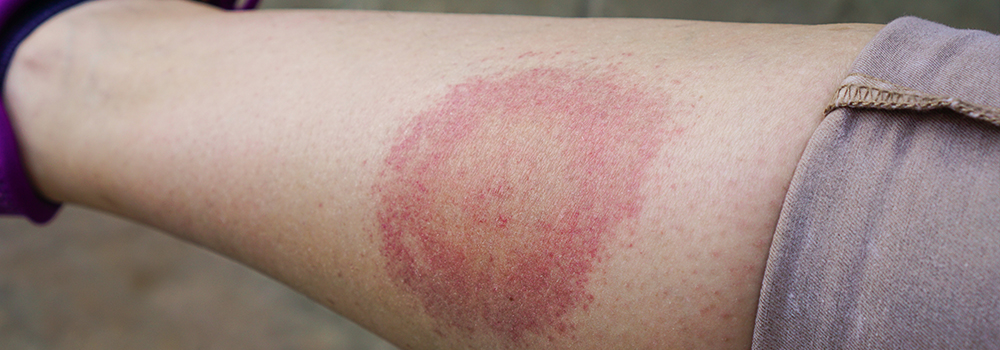
Chronic Lyme Disease Was Once Dismissed. More Doctors Are Coming Around.

Chronic Lyme Disease Was Once Questioned. Today, Doctors Are Reassessing.

For many years, patients experiencing lingering symptoms long after treatment for Lyme disease often found themselves facing skepticism, both from the medical community and broader public. These individuals reported chronic fatigue, joint pain, cognitive difficulties, and neurological issues, even after completing standard antibiotic therapies. While these symptoms were real to patients, the concept of “chronic Lyme disease” remained contentious in the world of medicine. Today, however, there is a noticeable shift in how the condition is being acknowledged and addressed by healthcare professionals.Lyme disease, resulting from the bacterium Borrelia burgdorferi and spread by the bite of infected blacklegged ticks, stands…
Read More
U.S. program to combat HIV/AIDS survives Trump's latest round of cuts

Trump’s latest cuts fail to halt U.S. HIV/AIDS program

The U.S. government’s flagship HIV/AIDS response program has avoided a proposed budget cut under the Trump administration’s broader efforts to retract federal spending. The ongoing debate over the program’s funding underscores the tension between fiscal restraint and global health priorities.In the midst of the debate stands PEPFAR (the President’s Emergency Plan for AIDS Relief), a fundamental element of U.S. health diplomacy since it was initiated in 2003. Throughout its twenty-year existence, PEPFAR has financed treatments, prevention measures, and support services that save lives in numerous nations—contributing to a decrease in new infections, lowering the rate of transmission from mother to…
Read More

A cross between a nicotine pouch and an energy drink: What are caffeine pouches?

Caffeine has been a popular choice for stimulation among countless individuals globally. Its popularity stems from its rapid impact on concentration, vigilance, and tiredness, found in morning coffee habits, energy beverages, and supplements for workouts. Recently, a novel trend has appeared, combining the ease of use of oral nicotine pouches with the energizing effects of an energy drink: caffeine pouches.This type of compact and subtle pouch is becoming increasingly fashionable, mainly with younger individuals and those looking for options other than sweet drinks or products linked to smoking. Although they're a newer offering, their swift popularity increase is generating interest—and…
Read More
Mineral v chemical sunscreen: Which one should you be using?

Mineral or chemical sunscreen: What’s the difference?

When it comes to protecting your skin from the harmful effects of the sun, choosing the right sunscreen is essential. Among the many options available, two main types dominate the market: mineral and chemical sunscreens. Both offer effective sun protection, but they work in different ways and may suit different skin types and lifestyles. Understanding the differences between them can help make sun safety a more personalized and effective part of your skincare routine.Sunscreen serves as an essential barrier against ultraviolet (UV) rays, which may lead to early aging, sunburn, and heighten the likelihood of developing skin cancer. The active…
Read More